Author: John Bellamy Foster

  • Western Marxism and Imperialism: A Dialogue

    Western Marxism and Imperialism: A Dialogue

    Western Marxism and Imperialism: A Dialogue” (coauthored with Gabriel Rockhill, Foster listed first), Monthly Review 76, no. 10 (March 2025), p[p 1-25.
    Western Marxism

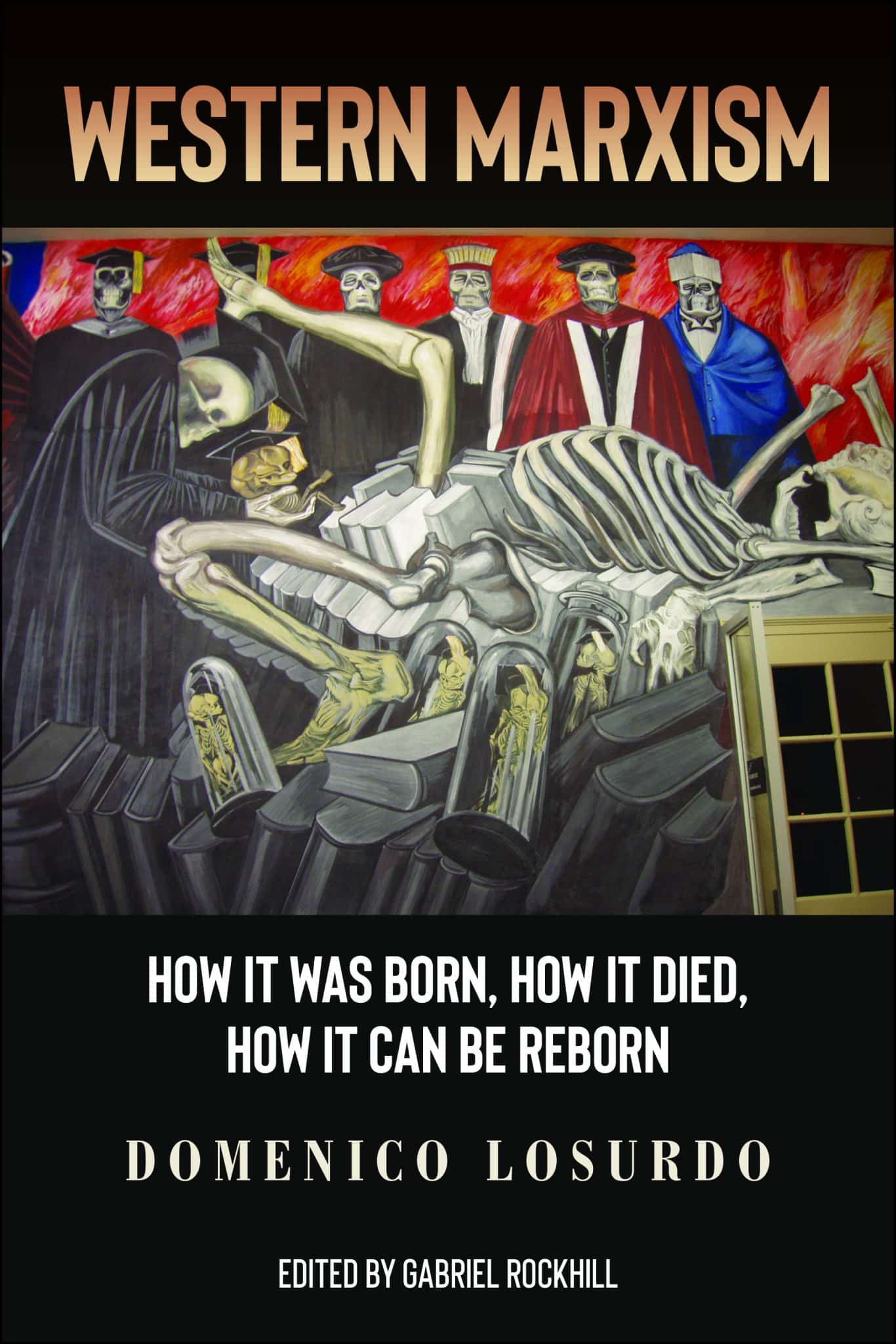
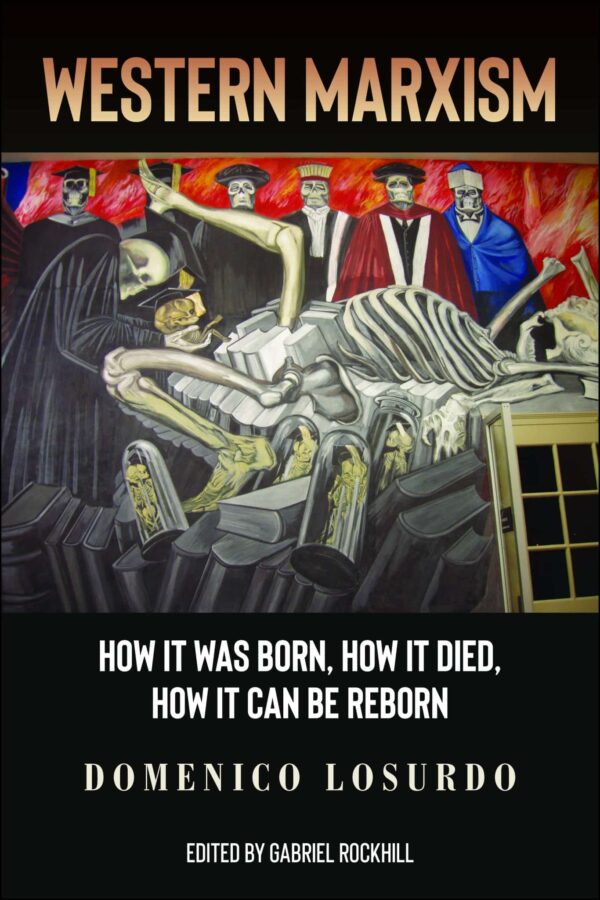
    Gabriel Rockhill: I would like to begin this discussion by addressing, first and foremost, a misconception regarding Western Marxism, which I know is of mutual concern. Western Marxism is not equivalent to Marxism in the West. Instead, it is a particular version of Marxism that, for very material reasons, developed in the imperial core, where there is significant ideological pressure to conform to its dictates. As a dominant ideology regarding Marxism, it conditions the lives of those working in the imperial core and, by extension, capitalist states around the world, but it does not rigorously determine Marxist scholarship and organizing in these regions. The simplest proof thereof is the fact that we do not identify as Western Marxists even though we are Marxists working in the West, very much like the Italian philosopher Domenico Losurdo, whose Western Marxism was recently published by Monthly Review Press. What are your thoughts on the relationship between “Western Marxism” and “Marxism in the West”?

    John Bellamy Foster: I am not fond of the term “Western Marxism,” partly because it was adopted as a form of self-identification by thinkers rejecting not only Soviet Marxism, but also much of the classical Marxism of Karl Marx and Frederick Engels, as well as the Marxism of the Global South. At the same time, very large parts of Marxism in the West, including the more materialist, political-economic, and historical analyses, have tended to be excluded from this kind of self-identified Western Marxism, which nonetheless posed as the arbiter of Marxist thought and has dominated Marxology. Usually, in addressing the question of Western Marxism theoretically, I indicate that what we are dealing with is a specific philosophical tradition. This began with Maurice Merleau-Ponty (not Georg Lukács, as commonly supposed), and was characterized by the abandonment of the concept of the dialectics of nature associated with Engels (but also with Marx). This meant that the notion of Western Marxism was systematically removed from an ontological materialism in Marxist terms, and gravitated toward idealism, which fit well with the retreat from the dialectics of nature.

    Moreover, while not part of the self-definition of Western Marxism, but rightly stressed by Losurdo, was a retreat from the critique of imperialism and the whole problem of revolutionary struggle in the third world or the Global South. In this respect, self-identified Western Marxists tended toward a Eurocentric perspective, often denying the significance of imperialism, and thus we can speak of a Western Eurocentric Marxism.

    So in dealing with these issues, I tend to stress these two aspects, that is (1) a Western Marxist philosophical tradition that rejected the dialectics of nature and ontological materialism, thereby separating itself off from both the classical Marxism of Marx and of Engels; and (2) a Western Eurocentric Marxism, that rejected the notion of the imperialist stage of capitalism (and monopoly capitalism) and downplayed the significance of revolutionary third world struggles and the new revolutionary ideas they generated. Marxism, in this narrow Western Marxist incarnation, thus became a mere academic field concerned with the circle of reification, or structures without a subject: the very negation of a philosophy of praxis.

    GR: Indeed, these are significant features of so-called Western Marxism, which I agree is an expression that can easily lend itself to misunderstandings. This is why, in my opinion, a dialectical approach is so important: it allows us to be attentive to the discrepancies between simplifying concepts and the complexities of material reality, while striving to account for the latter by nuancing and refining our conceptual categories and analysis as much as possible. In addition to the two features you highlighted, I would also add, at least for the theoretically oriented core of Western Marxism—such as in the work of the leading luminaries of the Frankfurt School and much of postwar French and British theoretical Marxism—the tendency to withdraw from political economy in favor of cultural analysis, as well as the critical dismissal of many, if not all, real-world socialist state-building projects (which, of course, overlaps with your second point).

    In trying to identify as precisely as possible Western Marxism’s contours and the driving forces behind it, I think it is important to situate its unique form of intellectual production within the overall relations of theoretical production, which themselves are nested within the social relations of production more generally. In other words, a Marxist analysis of Western Marxism requires, at some level, an engagement with the political economy of knowledge production, circulation, and consumption. This is what allows us to identify the socioeconomic forces at work behind this particular ideological orientation, while nonetheless recognizing, of course, the semi-autonomy of ideology.

    Drawing on the work of Marx and Engels, Vladimir Ilyich Lenin incisively diagnosed how the material existence of a “labor aristocracy” in the imperial core, meaning a privileged sector of the global working class, was the driving force behind the Western left’s tendency to align more on the interests of its bourgeoisie than on the side of the proletariat in the colonial and semicolonial periphery. It strikes me that if we want to go to the root of matters, then we need to apply this same basic framework to an understanding of Western Marxism’s fundamental revisions of Marxism and its tendency to ignore, downplay, or even denigrate and reject the revolutionary Marxism of the Global South, which has not simply interpreted the world, but has fundamentally altered it by breaking the chains of imperialism. Are Western Marxists not, in general, members of what we might call the intellectual labor aristocracy in the sense that they benefit from some of the best material conditions of theoretical production in the world, which is easy to see when compared, for instance, to the Marxism developed by Mao Zedong in the Chinese countryside, Ho Chi Minh in besieged Vietnam, Ernesto “Che” Guevara in the Sierra Maestra, or other such examples? Do they not benefit, like the labor aristocracy more generally, from the crumbs that fall from the table of the ruling class’s imperialist feast, and does this material reality not condition—without rigorously determining—their outlook?

    JBF: The point on the withdrawal from political economy that characterized much of Western Marxism is important. I started graduate studies at York University in Toronto in the mid-1970s. I previously had a background in economics, including both received neoclassical economics and Marxist political economy. These were the years in which the Union for Radical Political Economics in the United States had been leading a revolt in economics. But I was also interested in critical theory and Hegelian studies. In the philosophical domain I had studied, in addition to Marx, Georg Wilhelm Friedrich Hegel’s Phenomenology of Spirit, most of Herbert Marcuse’s work, István Mészáros’s Marx’s Theory of Alienation, and many other texts in critical philosophy. So, I entered graduate school with the anticipation of pursuing studies in both Marxian political economy and critical theory. I had visited York in 1975, but when I arrived there a year later to commence my graduate studies, I was surprised to discover that the Social Political Thought program at York (and, to some extent, the left in the Political Science department there) had gone through a fractious split dividing off those who were called the “political economists” from the “critical theorists.” This was at time in which some of the main Frankfurt School writings of thinkers such as Theodor Adorno and Max Horkheimer were first being made available in English translations. For example, Alfred Schmidt’s The Concept of Nature in Marx was translated into English in 1971, Horkheimer and Adorno’s Dialectic of the Enlightenment in 1972, and Adorno’s Negative Dialectics in 1973. This not only meant a kind of enhancement of discussions within Marxism but also constituted in many ways a break with classical Marxism, which was often criticized in such works. Thus, the first thing I heard when I entered a critical theory class was that the dialectics of nature was inadmissible. Marx’s early “anthropological” discussions on the interactions of humanity and nature were summarily dismissed. The only Hegel course being taught was on Alexandre Kojève’s Hegel, which was the rage both for the French left, and, paradoxically, for some conservative thinkers. I came to focus in these years more on Marxist political economy. Mészáros, who was a big draw for me in deciding to go to York, left the same year as I arrived, in his disgust with both sides of the split.

    In that first year at York, I was working with a liberal professor who was an authority on China. He indicated that he was confused about the development of Marxism, and he put in my hand Perry Anderson’s Considerations on Western Marxism and asked me to read it and explain to him what it was all about. I sat down and read Anderson’s book and was quite shocked at the time, since he used various techniques to emphasize a shift in Marxist theory toward philosophy and culture and away from political economy and history—which was not actually the case, but fit with the thinkers he chose to lionize. Thus, “Western Marxism,” in Anderson’s terms, mainly excluded political economists and historians. Along with that, it was seen as separated from “Classical Marxism,” including the main emphases of Marx and Engels themselves. Naturally, Anderson could not altogether deny the existence of Marxist political economists and historians in his discussion of “Western Marxism,” but their exclusion was quite evident.

    Setting aside the specific ways in which political and economic thinkers were dismissed, one can just look at the index to see the nature of Anderson’s demarcations. Philosophers and cultural theorists are prominent in his characterization of the Western Marxists. Thus, Louis Althusser is mentioned on thirty-four pages, Lukács on thirty-one, Jean-Paul Sartre on twenty-eight, Marcuse on twenty-five, Adorno on twenty-four, Galvano Della Volpe on nineteen, Lucio Colletti on eighteen, Horkheimer on twelve, Henri Lefebvre on twelve, Walter Benjamin on eleven, Lucien Goldmann on eight, Merleau-Ponty on three, Bertolt Brecht on two, and Fredric Jameson on one. However, when we turn to Marxist political economists and historians (including cultural historians) of roughly the same period, we get quite a different picture: Isaac Deutscher is mentioned on four pages, Paul M. Sweezy on four, Ernest Mandel on two, Paul A. Baran on one, Michał Kalecki on one, Nicos Poulantzas on one, Piero Sraffa on one, and Raymond Williams on one.

    Marxist scientists are not mentioned at all, as if they were all nonexistent. While some Marxists, who were central to the discussions in the West, were considered by Anderson to be more Eastern than Western since choosing to live on the other side of the so-called iron curtain, namely Brecht, who is referred to on two pages, and Ernst Bloch, whose name appears on none.

    To me, then, Anderson’s characterization of “Western Marxism” was peculiar from the start. Although Anderson, like any thinker, is entitled to emphasize those closest to his analysis, his approach to the classification of “Western Marxists,” emphasizing primarily those in the realms of philosophy and culture, broke decisively with classical Marxism, political economy, class struggle, and the critique of imperialism. “Western Marxism,” in Anderson’s characterization, was then a kind of negation of core aspects of classical Marxism together with Soviet Marxism. Anderson should not be entirely faulted for this. He was dealing with something real. But the reality here was the enormous distance from classical Marxism, even if major theoretical advances were made in some areas.

    There is no doubt, then, that Western Marxism, according to Anderson’s definition, or even in accordance with the more theoretical demarcation determined by the abandonment of the dialectics of nature, was stripped of much of the original Marxist critique, even if it explored more fully some issues such as the dialectics of reification. By excluding Marxist political economists, historians, and scientists, and thus materialism, Western Marxism in these terms also became removed from class and imperialism, and thus the very idea of struggle. The result was to create an exclusive club, or what Lukács critically referred to as a set of thinkers who sat in the “Grand Hotel Abyss,” increasingly removed from even the thought of revolutionary practice. I do not think it makes much sense to attach this directly to the labor aristocracy (though that analysis is itself important). Rather, these thinkers emerged as some of the most elite members of the bourgeois academy, hardly conceived as Marxists at all, much less workers, often occupying chairs and covered with honors. They certainly were better off on the whole than those who remained steadfastly within the classical Marxist tradition.

    GR: In his two books on the subject, Anderson provides a Western Marxist account of Western Marxism. This is, in my opinion, precisely what constitutes the strengths and the ineluctable weaknesses of his approach. On the one hand, he offers an insightful diagnosis of select aspects of its fundamental ideological orientation, including its withdrawal from practical politics in favor of theory and its embrace of political defeatism. On the other hand, he never goes to the heart of the matter by situating Western Marxism, as he understands it, within the global social relations of production (including theoretical production) and international class struggle. He ultimately provides us with an account that is not rigorously materialist because it does not seriously engage in the political economy of knowledge production, circulation, and consumption, nor does it place imperialism at the center of its analysis.

    From a Marxist vantage point, above and beyond its Western travesty, it is not ideas that drive history but material forces. Intellectual history, including the history of Marxism as a theoretical enterprise, therefore needs to be clearly situated in relationship to these forces, while of course recognizing that ideology functions semi-autonomously from the socioeconomic base. Marxist intellectuals in Europe in the late nineteenth and early twentieth century often worked outside of the academy, sometimes as political organizers or journalists, and they tended to be much more organically linked to practical class struggle in various ways. When the split occurred in the socialist movement during the First World War, some of these intellectuals turned their backs on the international proletariat and aligned themselves, wittingly or not, with the interests of their national bourgeoisies. Others, however, agreed with Lenin that the only war worth supporting was an international class war, clearly manifest in the Russian Revolution, not the interimperialist rivalry of the capitalist ruling class. This is why Losurdo uses this split to frame his book on Western Marxism, and it is one of the reasons that it is vastly superior to Anderson’s account: Western Marxism is the tradition that emerged out of the social chauvinism of the European Marxist tradition, which turned up its nose at the extra-European anticolonial revolutions. As Lenin decisively demonstrated, this was not simply because the Western Marxist intellectuals made theoretical errors. It was because there were material forces conditioning their ideological orientation: as members of the labor aristocracy in the capitalist core, they had a vested interest in preserving the imperialist world order.

    This original split grew into a great divide as the interimperialist rivalry of the First World War continued through the Second World War and eventually led to a global stalemate of sorts, opposing the victor of the imperialist camp (the United States) to the growing socialist camp led by the country that played a decisive role in defeating fascism and supporting many anticolonial revolutions around the world (the Soviet Union). In the context of the Cold War, Western Marxists were increasingly university professors in the West who tended to be skeptical of the practical developments of Marxism in the Global South and engaged in significant theoretical revisions of the classical Marxism of Marx, Engels, and Lenin. For very material reasons, their anticommunist revisionism tended to bolster their standing within Western institutions and the theory industry. This did not occur all at once, and objective social forces and subjective orientations did not march in lockstep, as there were a number of contradictions that characterized these developments.

    The leading figures of the Frankfurt School, namely Adorno and Horkheimer, were dogmatic anticommunist critics of actually existing socialism, and they were funded and supported by the capitalist ruling class and the leading imperialist states for proffering these views. In France, Sartre discovered his subjectivist version of Marxism during the Second World War, supported some aspects of the global communist movement in its wake, but also increasingly evinced skepticism as the Cold War dragged on. Althusser aligned himself with the postwar French Communist Party, but he also embraced the anti-dialectical theoretical fad of structuralism, and particularly Lacanianism.

    These contradictions have to be taken seriously, while also recognizing that the general arc of history has led, for instance, to a Sartrean Althusserian like Alain Badiou being the most famous Western Marxist in France today. Waving a theoretical red flag and claiming to be one of the only living communists, he maintains that “neither the socialist states nor the national liberation struggles nor, finally, the workers’ movement constitute historical referents anymore, which might be capable of guaranteeing the concrete universality of Marxism.” Thus, “Marxism today… is historically destroyed,” and all that remains is the new “idea of communism” that Badiou proffers from one of the leading academic institutions in the imperial West.1 If Marxism as a theory embodied in practice is dead, we are nonetheless encouraged to rejoice in its spiritual rebirth via a Marxian version of French theory. Brazenly merging his messianism with opportunistic self-promotion, Badiou’s implicit marketing slogan for his work reads like a Christological perversion of Marx’s famous statement on revolution: “Marxism is dead. Long live my idea of communism!” In his enthusiasm for theoretical resurrection, however, Badiou fails to mention that his purportedly new idea, in its practical essence, is in fact a very old one, which was already soundly criticized by Engels. It is the idea of utopian socialism.

    This is one of the reasons why a dialectical assessment of Western Marxism is so important. It allows us to engage in a variegated analysis of individual thinkers and movements, highlighting where and when they align on the dominant ideology of Western Marxism, but also how they might part ways with it in certain regards or at specific points in time (like Sartre and Althusser). Moreover, this dialectical approach needs to be thoroughly materialist by grounding itself in an analysis of the social relations of intellectual production. The most well-known contemporary Western Marxists are university professors in the imperial core, some of whom are global superstars in the imperial theory industry, and this has most definitely had an impact on the type of work they do.

    Moreover, the integration of Marxism into the bourgeois academy has subjected it to a number of significant changes. In the capitalist core, there are not academies of Marxism where one can be trained, and then educate others, in Marxism as a total science embracing the natural and social worlds. Instead, there is a system of intellectual Taylorism founded on the disciplinary division of labor between the natural sciences, the social sciences, and the humanities. This system, as part of the superstructure, is ultimately driven by capitalist interests. In this regard, Marxism has, to a large extent, been sidelined or rejected as a framework for the bourgeois natural sciences, and it has often been reduced to an—incorrect or insufficient—interpretive paradigm in much of the bourgeois social sciences. Many of the most well-known Western Marxists teach in the humanities, or humanities-adjacent social science departments, and they traffic in theoretical eclecticism, intentionally combining Marxist theory with bourgeois theoretical fads.

    Given this material context, it is not surprising that Western Marxists tend to reject materialist science, abandon rigorous engagements with political economy and materialist history, and indulge in theory and bourgeois cultural analysis for their own sake. The point of Marxist theory, for the crassest Western Marxists like Slavoj Žižek, is not to change the world that promotes them as leading luminaries, but rather to interpret it in such a way that their careers are advanced within the imperial academy and culture industries. The objective, material system of knowledge production conditions their subjective contributions to it. What they tend to lack is a self-critical, dialectical-materialist assessment of their own conditions of intellectual production, which is due, in part, to the way that they have been ideologically trained by the very system that promotes them. They are ideologues of imperial Marxism.

    JBF: What you present here is a classic historical-materialist critique focusing on the class foundations of ideology, in relation to the Western Marxist tradition. It was from Marx, as Karl Mannheim famously explained in his Ideology and Utopia, that the critique of ideology first arose. Nevertheless, Marxism, Mannheim charged, had failed at the self-critique necessary for a developed sociology of knowledge due to its inability to disassociate itself from its revolutionary proletarian standpoint (a failing he attributed to Lukács in particular). Yet, contrary to this, it is such self-critique, namely, radical changes in revolutionary theory and practice in response to changing material-class conditions, as Mészáros contended, that helps explain the continuing theoretical vitality of Marxian theory, in addition to the actual revolutions in the Global South.

    For Western Marxism as a distinct tradition, such self-critique was of course impossible, without giving the whole game away. It is no accident that the bitterest polemics of the Western Marxists were directed at Lukács when he extended his critique of irrationalism by implication to the Western left and its enthrallment with Martin Heidegger’s anti-humanism. In the Western Marxist philosophical tradition, all positive ontologies, even those of Marx and Hegel, were rejected, along with historical analysis. What remained was a circumscribed dialectic, reduced to a logic of signs and signifiers, divorced from materialist ontology, the class struggle, and even historical change. Humanism, even Marxist humanism, became the enemy. Having abandoned all real content, self-identified Western Marxists helped introduce the discursive turn. This led to its merging into post-Marxism, poststructuralism, postmodernism, posthumanism, postcolonialism, and postcapitalism. Here the “post” often meant a crawling backward, rather than a forward advance.

    We can sum up much of our discussion so far by saying that the Western Marxist tradition, although providing a wealth of critical insights, was caught up in a fourfold retreat: (1) the retreat from class; (2) the retreat from the critique of imperialism; (3) the retreat from nature/materialism/science; and (4) the retreat from reason. With no positive ontology remaining all that was retained, in the postmodernist and post-Marxist left, was the Word or a world of empty discourse, providing a basis for deconstructing reality but empty of any emancipatory project.

    The present task, then, is the recovery and reconstitution of historical materialism as a revolutionary theory and practice, in the context of the planetary crisis of our time. Max Weber famously said that historical materialism is not a car that can be driven anywhere. One might respond that Marxism, in its classical sense, is not meant to convey humanity everywhere. Rather the destination is a realm of substantive equality and ecological sustainability: complete socialism.

    GR: This fourfold retreat constitutes a withdrawal from material reality into the realm of discourse and ideas. It is therefore an ideological inversion of classical Marxism that turns the world upside down. The principal political consequence of such an orientation is an abandonment of the complicated and often contradictory task of building socialism in the real world. The Four Retreats, which eliminate what Lenin called the revolutionary core of Marxism, thereby feed into a withdrawal from the primary practical task of Marxism, namely, to change the world, not simply interpret it.

    In order to maintain a thoroughly dialectical analysis, it is important to insist on the fact that the Four Retreats and the overall abandonment of real-world socialism do not function as mechanical principles that reductively determine all aspects of every Western Marxist discourse. It is rather that they are features of a broad ideological field that could be mapped out in terms of a Venn diagram. Each specific discourse can occupy rather different positions within this ideological field. At one extreme, there are superstitious idealist discourses that have taken flight from all forms of materialist analysis in favor of various “post” orientations—post-Marxism, poststructuralism, postmodernism, and so on—that are profoundly regressive. At the other extreme, there are discourses that lay claim to being solidly Marxist and do engage, to some extent, with a rationalist version of class analysis. However, they misapprehend the fundamental class dynamics at work in imperialism, and they tend to reject real-world socialism as an anti-imperialist state-building project in favor of utopian, populist, or rebellious anarchist-inflected versions of socialism (Losurdo insightfully diagnosed all three of these tendencies in his book on Western Marxism).

    While the various “post” orientations are relatively easy to contend with from a rigorous materialist vantage point, Western Marxist analysis can be more difficult to contest because of their institutional power and their ostensible dedication to historical materialism. It is therefore crucially important, in taking up the task of revitalizing dialectical and historical materialism as a revolutionary theory and practice, to combat the self-declared Marxists who misrepresent imperialism and the world-historical struggle against it. Your recent essays on this topic in Monthly Review are essential reading because you go to the heart of one of the most important issues of contemporary class struggle in theory, namely how to understand imperialism.2 As you pursue your critical analysis, I hope that you will continue to shed light on one of the most perverse Western Marxist ideological inversions: the depiction of those countries involved in anti-imperialist struggle—from China to Russia, Iran, and beyond—as being fundamentally imperialist, mirroring the collective West in their deeds and ambitions, or even engaging in a more authoritarian and repressive form of imperialism than the bourgeois democracies of the West.

    JBF: The relation of Western Marxism to imperialism is enormously complex. Part of the problem is that what we need to analyze first is the Eurocentrism intrinsic to Western culture (including, of course, not just Europe, but settler colonial states: the United States and Canada in North America and Australia and New Zealand in Australasia, plus, in a somewhat different context, Israel). Martin Bernal argued in Black Athena that the Aryan myth with respect to ancient Greece that constituted the real beginning of Eurocentrism arose at the time of Napoleon’s invasion of Egypt at the end of the eighteenth century—though traces of it certainly existed before that. Eurocentrism got a further boost with the rise of what Lenin called the imperialist stage of capitalism in the late nineteenth and early twentieth century, which was symbolized by the mutual carving up of Africa by the great powers.

    Eurocentrism should not be seen as simply a type of ethnocentrism. Rather, Eurocentrism is the view, most acutely expressed by Weber in his introduction to his Sociology of Religions(published as the “author’s introduction” in the main English translation by Talcott Parsons of The Protestant Ethic and the Spirit of Capitalism). There Weber took the position that European culture was the only universal culture. To be sure, there were other particular cultures around the world, in his view, some of them very advanced, but they all were forced to conform to the universal culture of Europe if they were to modernize, which meant developing in European rationalist and capitalist terms. Other countries, in this view, could develop, but only by embracing the universal culture, which was seen as the basis of modernity, a particular product of Europe. It is Eurocentrism in precisely this sense that Joseph Needham critically took on in his Within the Four Seas (1969) and that Samir Amin historically deconstructed in his Eurocentrism (1988).

    Nineteenth-century European thought had developed in a context of an emerging Eurocentrism in this sense. One can think of the colonialist and racist model of the world presented in Hegel’s Philosophy of History. Yet, the work of Marx and Engels was remarkably untouched by such Eurocentrism. Moreover, by the late 1850s, while still in their thirties, and from that point on, they strongly supported anticolonial struggles and revolutions in China, India, Algeria, and South Africa. They also expressed their deep admiration for the nations of the Iroquois Confederacy in North America. No other major nineteenth-century thinker, when compared to Marx, so strongly condemned what he called “the extirpation, enslavement, and entombment in mines, of the indigenous population of the Americas,” nor so strongly opposed capitalist slavery. Marx was the fiercest European opponent of the British and French Opium Wars on China and the famines that British imperial policy generated in India. He argued that the survival of the Russian commune or mir meant that the Russian Revolution could develop in other terms than in Europe, even possibly bypassing the path of capitalist development. Engels introduced the concept of the labor aristocracy (later developed further by Lenin) to explain the quiescence of British workers and the poor prospects for socialism there. The last paragraph, apart from a few letters, that Engels wrote, two months before his death in 1895, was a reference—in the closing lines of his edition of volume 3 of Marx’s Capital—to how finance capital (or the stock exchange) of the leading European powers had carved up Africa. This was the very reality that was to underlie Lenin’s conception of the imperialist stage of capitalism.

    But the position of Marxists in the next generation can hardly be said to have been closely attuned to the problems of imperialism or strongly sympathetic with colonized peoples. In the First World War, nearly all of the socialist parties in Europe supported their own imperial nation-states in what was primarily, as Lenin explained, a dispute over which nation(s) would exploit the colonies and semicolonies. Only Lenin’s Bolshevik Party and the small Spartacus League of Rosa Luxemburg and Karl Liebknecht fought against this.

    Following the First World War, Lenin’s analysis of imperialism in Imperialism: the Highest Stage of Capitalism was adopted and developed upon, with Lenin’s backing, in the Comintern. It was in the Comintern documents that we see the first appearance of what was to be called dependency theory, which was then developed further in Latin America and elsewhere and later expanded into unequal exchange analysis and world-system theory. This was a period of revolutions and decolonization throughout the Global South. In response to these developments Marxism was to split radically. Some Marxist theorists in the West took the position, most clearly enunciated by Sweezy in the 1960s, that revolution, and with it, the revolutionary proletariat and the proper focus of Marxist theory, had shifted to the third world or the Global South. In contrast, most of those who belonged to the self-defined Western Marxist tradition thought of Marxism as the peculiar property of the West, where it had originated, even though the main revolutionary struggles around the globe were taking place elsewhere. Naturally, this went hand in hand with a sidelining at best and at worst a complete rejection of the phenomenon of imperialism.

    This dynamic was interrupted by some of the main third world revolutions, which were impossible to ignore, such as the Algerian and Vietnamese Revolutions. Thus, a figure like Marcuse, who generally belonged to the Western Marxist philosophical tradition, was deeply affected by the Vietnam Revolution. But still, that was quite removed from his theoretical work. For the most part, the Western Marxist tradition in its more abstract academic form acted as if Europe remained the center of things, ignoring the deep effects of imperialism on the social structure of the West and having relatively little respect for Marxist theorists outside of Europe.

    John S. Saul, whose work focused on liberation struggles in Africa, drilled into me the notion of the “primary contradiction.” Lenin had seen the primary contradiction of monopoly capitalism to be imperialism, and in fact revolution after revolution in the Global South (and the counterrevolutionary responses in the Global North) confirmed that. But not only was that frequently ignored by the Western left, but we saw more and more desperate moves to deny that the North economically exploited the South and to reject the idea that this was at the heart of Lenin’s theory. This went along with frequent attacks on the theories of dependency, unequal exchange, and world-system theory. One thinks of the work of Bill Warren, who tried to argue that Marx saw imperialism as the “pioneer of capitalism,” that is, playing a progressive role (even if Lenin did not); and of Robert Brenner’s attempt in New Left Review to designate Sweezy, Andre Gunder Frank, and Immanuel Wallerstein as “neo-Smithian Marxists” on the basis that they, like Adam Smith (and supposedly in opposition to Marx), criticized the exploitation of the countries on the outskirts or periphery of capitalism. (Smith’s own criticisms were directed at mercantilism and in favor of free trade.)

    In the United States, Marxist political economy was very prominent in the 1960s. Most of those who came to Marxism at that time did not do so as a result of left parties, which were practically nonexistent, as was a radical labor movement. Hence, leftists were drawn to historical materialism in the 1960s and ’70s largely by the critique of imperialism and rage over the Vietnam War. In addition, Marxism in the United States was always deeply affected by the Black radical movement that had always centered on the relation of capitalism, imperialism, and race, playing a leadership role in the understanding of these relations.

    Nevertheless, in North America as well as Europe, the critique of imperialism waned in the late 1970s and ’80s due to a prevailing Eurocentrism. There was also the problem, in more opportunistic terms, of being shut out of the academy and of left movements if one put too much emphasis on imperialism. Obviously, the left made certain choices here. In the United States, all attempts to create a left-liberal or social-democratic movement come up against the fact that one must not actively oppose U.S. militarism or imperialism or support revolutionary movements abroad if one wants a foot in the door of the “democratic” political system. Even in the academy, there are unspoken controls in this respect.

    Today we see a growing movement among intellectuals who profess to be Marxists, who are openly rejecting the theory of imperialism in Lenin’s sense, and in the sense of Marxist theory over the last century or more. Various arguments are used, including narrowing imperialism simply to the conflicts between the great powers (that is, seeing it primarily in horizontal terms); replacing imperialism with an amorphous concept of globalization or transnationalization; denying that one country can exploit another; reducing imperialism to a moral category such that it is associated with authoritarian states and not “democracies”; or making the concept of imperialism so ubiquitous that it becomes useless, forgetting the fact that today’s G7 countries (with the addition of Canada) are exactly the same great imperial powers of monopoly capitalism that Lenin designated over a century ago. This represents a sea change that is dividing the left, in which the New Cold War against China—also a war against the Global South—is leading much of the left to side with the Western powers, viewed as somehow “democratically” superior and therefore less imperialist.

    All of this takes us back to the question of Eurocentrism. Postcolonial theorists lately have condemned Marxism as pro-imperialist or Eurocentric. Attempts to attribute such views to Marx, Engels, and Lenin are easy to refute on a factual basis. As Baruch Spinoza said, “ignorance is no argument.” But it becomes a deeper problem insofar as many postcolonial theorists take as their measure of Marxism the main Western Marxist cultural and philosophical conceptions from which postcolonial theory itself is in large part descended. There is no question that Western Marxist theorists, with their eyes only on Europe or the United States, were often prone to Eurocentrism. Moreover, Western Marxism projected a view of classical Marxism as economic determinism, and thus insensitive to national and cultural questions. All of this led to distortions of the historical and theoretical record.

    There is in fact a whole world of Marxist analysis, most of it arising out of material struggles. I have been reading an interesting book by Simin Fadaee titled Global Marxism: Decolonization and Revolutionary Politics, published by Manchester University Press in 2024. She argues that Marxism is global and provides separate chapters on Mao, Ho, Amilcar Cabral, Frantz Fanon, Che, and others. She writes at the end of the introduction to her book: “It is in fact Eurocentric to claim that Marxism is Eurocentric, because this entails dismissing the cornerstone of some of the most transformative movements and revolutionary projects of recent human history. Instead of making such sweeping claims, a more fruitful engagement with history would instead urge us to learn from the experience of the Global South with Marxism and ask what we can learn from Marxism’s global relevance.”

    GR: Western Marxism is an ideological product of imperialism, the principal function of which is to obscure or conceal imperialism, while misconstruing the struggle against it. I mean “imperialism” in the most expansive sense, as a process of establishing and enforcing systematic value transfers from certain regions of the world, namely the Global South, to others (the Global North), through the extraction of natural resources, the use of free or cheap labor, the creation of markets for offloading commodities, and more. This socioeconomic process has been the driving force behind the underdevelopment of the majority of the planet and the hyper-development of the imperial core, including its industries of knowledge production. Within the leading imperialist countries, this has given rise to an imperial superstructure, which is comprised of the politico-legal apparatus of the state and a material system of cultural production, circulation, and consumption that we can call, following Brecht, “the cultural apparatus.” The dominant industries of knowledge production in the imperial core are part of the cultural apparatus of the leading imperialist states.

    In claiming that Western Marxism is an ideological product of imperialism, I mean, then, that it is a specific version of Marxism that has arisen within the superstructure—and more specifically the cultural apparatus—of the foremost imperialist states. It is a particular form of Marxism that loses touch with Marxism’s universal ambition to scientifically elucidate and practically transform the capitalist world order. In my forthcoming book with Monthly Review Press, Who Paid the Pipers of Western Marxism?, I situate this version of Marxism within the imperial superstructure and examine the political-economic forces that have been driving it. One remarkable feature is the extent to which the capitalist ruling class and imperialist states have directly funded and supported it.

    To take but one telling example, the Rockefellers—who are among the most notorious robber barons in the history of U.S. capitalism—invested the equivalent today of millions of dollars in an international “Marxism-Leninism Project.” Its principal objective was to promote Western Marxism as an ideological weapon of war against the form of Marxism invested in developing socialism in the real world as a bulwark against imperialism. Marcuse was at the center of this project, as was his close friend and academic supporter Philip Mosely, who was a high-level, long-term CIA advisor deeply involved in doctrinal warfare. In addition to being one of the most well-known Western Marxists, Marcuse had worked for years as a leading authority on communism for the U.S. State Department. This is significant because it brings into relief the extent to which elements of the bourgeois state have worked hand in glove with factions of the bourgeoisie to promote Western Marxism. They share the same fundamental goal, namely that of cultivating a version of Marxism that could be widely disseminated, because it ultimately serves their interests. There is no doubt that this is a class compromise, since the imperialists would much rather eliminate Marxism across the board. However, since they have been unable to do so, they have instead engaged in a soft-sell approach by endeavoring to promote Western Marxism as the only acceptable and reputable form of Marxism.

    The core issue, in many ways, is that Western Marxism does not grasp the primary contradiction of the capitalist world order, which is imperialism. It also does not scientifically understand the dialectical emergence of socialism within the imperialist world, and it does not recognize that socialist state-building projects across the Global South have been the primary impediment to imperialism. Its lack of understanding of imperialism and the fight against it means that it is ultimately devoid of scientific rigor. By obfuscating the principal contradiction and its material overcoming via real-world socialism, it ideologically inverts material reality in various and sundry ways. Although there are different degrees of Western Marxism, as we discussed above, it always has a dose of a-scientificity. Its rejection of materialist ontology is an extension of its overall retreat from materialist science. This hopefully goes without saying, but “science” is not understood here in terms of the positivist version often vilified by Western Marxists. Science, or what Marx and Engels called Wissenschaft, which has a much more expansive meaning in German, refers to the ongoing, fallibilistic process of collectively establishing the best possible explanatory framework by constantly testing it in material reality and modifying it based on practical experience.

    Coming full circle, then, we might say that Western Marxism would be better described as “imperial Marxism” in the precise sense that it is an ideological product of the imperial superstructure that ultimately obscures imperialism—in order to advance it—while combating actually existing socialism. The universal project of Marxism, by contrast, is resolutely anti-imperialist in the world in which we live and rigorously scientific: it recognizes the material reality that makes socialist state-building projects into the principal manner of fighting imperialism and moving toward socialism. This does not imply, of course, that universal Marxists uncritically embrace any project that waves the flag of socialism or claims to be anti-imperialist. In its dedication to scientific rigor, universal Marxism is invested in critical scrutiny and precise materialist evaluation.

    To be clear, this does not mean that all of the work done in the tradition of imperial Marxism is to be jettisoned. We should, instead, approach it dialectically, recognizing when it has made contributions, for instance, to the analysis of capitalism and Marxist theory in various ways. This makes perfect sense given the high level of material development of the imperial superstructure supporting it. However, it is of the utmost importance to point out that a Marxism that does not grasp the principal contradiction of the socioeconomic world order cannot be considered scientific or emancipatory. It is equally crucial to recognize why it is that this version has become the dominant form of Marxism within the imperial theory industry. Rather than combating imperialism and contributing to the practical struggle to build socialism, it is ideologically compatible with imperialist interests.

    JBF: From a Marxist perspective, to say that imperialism is the primary contradiction of capitalism in our time is to say that it is the reality of revolutionary struggles against imperialismthat constitutes the primary contradiction of capitalism. For more than a century, revolutions have been occurring in the Global South against imperialism, rooted in the actions of oppressed classes and carried out in the name of or inspired by Marxism. The struggles against the structure of monopoly capitalism by workers in the Global North can be seen as objectively part of this same dialectic.

    The Western Marxist tradition was defined initially by its extreme opposition to Soviet Marxism in its entirety, not simply in its Stalinist form. Western Marxists thus often supported the Cold War efforts of the West with its imperialistic structure. Ideologically, Western Marxists condemned Engels and all that came after him in the Second and Third Internationals, along with materialist dialectics. Revolutions against imperialism in the Global South were treated as largely irrelevant to Marxist theory and practice, which were seen as the sole product of the West. Although European Eurocommunist movements for a time presented more radical alternatives, these movements were largely disowned even at their height by the Western Marxist tradition, before they succumbed completely to social democratic politics.

    All that remained of classical Marxism, then, within Western Marxism, despite its grand intellectual claims, was a limited sphere of philosophical arabesques inspired by Marx’s critique of capital. Western Marxism was divorced from the working class in the West and globally from third world revolution, from the opposition to imperialism, and, ultimately, from reason. Here it is worth remembering that Marx and Engels pointedly gave to their early work The Holy Family the subtitle A Critique of Critical Critique. They strongly opposed an analysis that had descended into nothing but “critical criticism,” a pure “speculative idealism” that had nothing to do with “real humanism,” real history, and real materialism. Not only did such critical criticism, unmoored from materialism and praxis, fail to identify with the struggles of workers, it fell short of the struggle of the revolutionary bourgeoisie itself. It was to vanish altogether after the 1848 revolution.

    A Western left that disavows or closes its eyes to the main revolutionary struggles occurring in the world, and that ignores or downplays the role of imperialist exploitation, which for centuries now has been promoted by the West, has, as a result of such withdrawals from reality, severed all practical as opposed to merely philosophical relations to Marxism. In this sense, Western Marxism, as a particular paradigm, needs to give way to a more global dialectical perspective, represented by classical Marxism, and today by what we might call global Marxism or universal Marxism. The Four Retreats can be reversed as today’s global system of accumulation reunites the struggles of workers around the world on materialist grounds.

    Your references to Marcuse, though, highlight for me the issue that what we are engaged in here is a critique rather than an absolute condemnation of the post-Second World War Western Marxist tradition (excluding the question of postmodernist French Theory and the turn to irrationalism). Marcuse was definitely a Western Marxist, rather than simply a Marxist in the West. But he was far more radical than Adorno or Horkheimer, and in fact was very critical of both of them for their increasingly rightward course.

    I was heavily influenced by Marcuse when I was young, during my first two years of college. I always had deep reservations about One-Dimensional Man because of the dialectic of retreat built into it. Marcuse made it clear there and elsewhere that he had abandoned materialist dialectics. He also retreated from any belief in the working class as such. Nor was imperialism integral to his overall analysis. The Great Refusal, in the face of one-dimensional mass society, was too weak a conception to constitute critical reason and praxis, as in Marx. His statement in his conclusion to One-Dimensional Man, where he wrote that “on theoretical as well as empirical grounds the dialectical concept pronounces its own hopelessness,” went against the spirit of his earlier Reason and Revolution: Hegel and the Rise of Social Theory. Marcuse was heavily influenced by Sigmund Freud and Martin Heidegger. His Eros and Civilization, though a major work of the Freudian left, represented a move toward psychologism that tended to deconstruct the subject in the name of greater concreteness while placing less emphasis on history, material conditions, and structure. From Heidegger, Marcuse took a view of technology, that, while critical, was largely divorced from the question of social relations, embodying a negative, anti-Enlightenment view that was discordant with much of the rest of his thought. It was these influences from Freud and Heidegger, the latter going back to his earliest years, plus the lack of genuine historical analysis, that resulted in a view of the 1950s United States as something more solid and set in place than it really was, which gave rise to a notion of crisis-free capitalism and the hopeless dialectic of One-Dimensional Man.

    Still, Marcuse’s Reason and Revolution, published in 1941 (thus preceding the Cold War Era), was an entirely different and more revolutionary kind of work. I can still remember my excitement when I encountered it in my late teens. This led me and many others to an intensive study of Hegel’s Phenomenology. Then, in the midst of the economic and energy crises of 1973–1975, he wrote his Counterrevolution and Revolt. His chapter “The Left Under Counterrevolution” was clear on imperialism, even if a larger theoretical integration of this was missing in his analysis overall. One cannot easily forget the opening lines where he stated: “Wholesale massacres in Indochina, Indonesia, the Congo, Nigeria, Pakistan, and Sudan are unleashed against everything which is called ‘communist’ or which is in revolt against governments subservient to the imperialist countries.” In his chapter on “Nature and Revolution,” he sought to bring an environmental Marxist perspective to bear on an emerging ecological movement, going so far as to break at one point with the Western Marxist proscription against dialectical naturalism. The chapter on “Art and Revolution” that was to point to his work The Aesthetic Dimension was his last attempt at a critique of capitalism.

    But there was another aspect to Marcuse’s biography that seems incongruous with this. How do we explain his direct involvement for a period in the anticommunist, Marxist-Leninist project to which you refer? It was not until later, in graduate school, that I read his 1950s book Soviet Marxism, which seemed to be a mixture of realism and propaganda, unfortunately with more of the latter than the former. It was very much a work that represented an iron curtain divide within Marxism itself. Marcuse, like other leading Marxist thinkers who joined the military in the Anti-Nazi War, including Sweezy and Franz Neumann, was assigned to the Office of Strategic Services (OSS), the forerunner of the CIA. Marcuse’s research at the OSS, as revealed by his reports, was directed at providing an analysis of the German Reich under Adolf Hitler. However, he continued to work for the intelligence services into the early years of the Cold War, and in 1949 wrote a report on “The Potentials of World Communism” for the Office of Intelligence Research, which was to be the basis of his Soviet Marxism. This puts an entirely different color on things.

    However, there was an enduring radical quality to Marcuse’s work within the self-imposed limits of Western Marxism. He remained committed to the critique of capitalism and to revolutionary liberation, and the great works that he is best known for from Eros and Civilization (1952) to One-Dimensional Man (1964) are perhaps less important than his more scrambled attempts to support the radical movements of the 1960s. This is something for which he was hardly prepared, as it meant turning his own assessment of the one-dimensionality of mass society on its head. Nevertheless, from An Essay on Liberation (1969) to perhaps The Aesthetic Dimension (1978) we see a Marcuse, no longer the supreme lecturer, but the intellectual in the trenches who was beloved in the student movement in the 1960s and ’70s.

    Marcuse thus represents perhaps the full tragedy of Western Marxism, or at least the Frankfurt School part of it. Although Adorno and Horkheimer became increasingly regressive in their endless pursuit of reifications, Marcuse retained a radical perspective. His final position combined a pessimism of the intellect with an aestheticism of the will. Art became the ultimate basis of resistance, and while he tended to see this in a rather elitist way, it has the potential of being incorporated into a genuinely materialist perspective.

    This suggests that critique, incorporating the positive element rather than absolute condemnation, is the appropriate approach to what can be genuinely referred to as Western Marxism, in those cases where, as in Marcuse, one finds a fourfold retreat but not a complete capitulation. The problem with the Western Marxist tradition, in the sense in which Anderson addressed it and in the way that Losurdo criticized it, is that it represented a dialectic of defeat, even during the decades when revolution was expanding throughout the globe.

    There has always been a Marxism, from Marx and Engels’s day to the present, in which there can be no room for a fundamental retreat or lasting compromise with the system, and which is unreservedly anticapitalist and anti-imperialist, because it finds its basis in genuine revolutionary struggles around the globe. In any critique of Western Marxism, the simultaneous existence of a more global or universal Marxism, even in the West, must eventually be taken into account. But this is something that we cannot address here. Still, it is important to recognize that the reason a critique of Western Eurocentric Marxism is so important today is because of the current New Cold War division between a Eurocentric left and global Marxism. The Eurocentric left downplays, denies, or—in extreme cases—even embraces the core imperialist powers. Global Marxism is no less determined in its total opposition. Western Eurocentric Marxism is on its last leg, undermined, as Jameson pointed out, by globalization. Seeing itself as the authentic basis of all Marxology, Western Marxism is being replaced by universal or global Marxism, in the tradition of Marx, Engels, Lenin, and the main theorists of monopoly capitalism and imperialism. Here the analysis is not confined to that small corner of the world in the northwest of Europe in which industrial capitalism and colonialism/imperialism first emerged, but finds its material basis in the struggles of the world proletariat.

    GR: I could not agree more regarding the importance of eschewing non-dialectical approaches to Western Marxism, which foster either uncritical celebration or complete condemnation. Dialectical critique avoids this reductive binary by elucidating Western Marxism’s contributions, as well as its limitations, while providing a materialist account of both. The overall objective of such a critique is to advance the positive project of universal, international Marxism, which can be brought more clearly into relief and further developed by overcoming the perversions of Marxism that are, at a certain level, a byproduct of the history of imperialism. The principal reason for identifying the problems with this tradition, then, is not at all to indulge in thoroughgoing denunciation or theoretical grandstanding. It is to learn from its limitations and surpass them by moving to a higher level of scientific elucidation and practical relevance. This is precisely what Marx and Engels did in their criticisms of dialectical philosophy, bourgeois political economy, and utopian socialism (to cite the three components of Marxism astutely diagnosed by Lenin). Dialectical critique engages in a theoretical and practical Aufhebung, in the sense of an overcoming that integrates any useful elements from that which is overcome.

    The dialectical assessment of Western Marxism includes, as mentioned above, an analysis of the breadth of its ideological field and the variations across it, which can be mapped out in various ways, such as in terms of a Venn diagram of the Four Retreats. This charting of the objective ideological field needs to be combined with a nuanced account of the subjective positions within it and their variations over time. It is precisely the joint analysis of the complexities of the ideological field and the specificities of subjective positions within it that provides us with a more thorough and refined account of Western Marxism as an ideology that differentially manifests itself in subjective projects with their own specific morphologies. This is the mirror opposite of a reductivist approach that attempts to boil the totality of subject positions down to a single, monolithic ideology that mechanically determines them.

    The case of Marcuse is highly revealing in this regard, and much time could be spent detailing the subjective changes in his work and situating them within the broader ideological field of Western Marxism. Highlighting only his most extreme positions, we might say that he went from being a major anticommunist State Department operative during the early Cold War to a radical theorist who expressed his strong support for certain aspects of the student, antiwar, feminist, antiracist, and ecological movements. His work for the State Department and the OSS was not as benign as he would later claim, and the archival record clearly demonstrates that he collaborated closely with the CIA for years and was even involved in the preparation of at least two National Intelligence Estimates (the highest form of intelligence in the world’s leading empire). Moreover, this work seamlessly segued with the role he played at the center of ideological warfare projects run by the capitalist ruling class against Soviet—and more generally Eastern—Marxism. Nevertheless, in the late 1960s and early ’70s, he was radicalized by the New Left movements of the time, and this brought him into sharp conflict with imperial Marxists of the Frankfurt School like Adorno. Although the man promoted by the bourgeois press as the godfather of the New Left never seriously broke with anticommunism or Western Marxism, his extensive FBI file demonstrates that certain elements of the bourgeois state considered him a potential threat.

    Another aspect of Marcuse’s work that is worth mentioning is its eclecticism and, more specifically, his attempt—like so many other Western Marxists—to merge Marxism with non-Marxist discourses, often those that are subjectivist, such as phenomenology and existentialism, as well as psychoanalysis. One of the guiding assumptions of certain Western Marxists is that classical Marxism overemphasizes objective social forces at the expense of subjective experience, and that more subjectivist discourses are therefore necessary as a corrective to it. This is one of the principal reasons why Freudo-Marxism has been so integral to Western Marxism, a tendency that has persisted in the Lacanian-Althusserianism of contemporary figures like Badiou and Žižek. It would take a long time to unpack the multiple problems with this orientation. This would need to begin with the mischaracterization of the dialectical account of subjectivity and objectivity within classical Marxism as not being sufficiently attentive to subjective experience or psychology, which clearly misrepresents its account of ideology. It would also have to include a critical assessment of what it means to advance the foundational claim that dialectical and historical materialism needs to be merged with liberal ideology (the guiding framework of Freudianism), rather than, for instance, engaging in a dialectical critique of psychoanalysis from a Marxist vantage point (a project to which figures like Lev Vygotsky and Valentin Voloshinov contributed).

    There is not space here to analyze this aspect of the persistence of liberal ideology within Western Marxism, but it is important to note that the subjectivism of much of this tradition is often bound up with its tendency to embrace culturalism and psychologism over and against class analysis. Todd Cronan has argued, in this regard, that Adorno and Horkheimer posited superstructural elements like racial, ethnic, or religious identities as primary, allowing the economic infrastructure to recede into the background, while tending to reinterpret class as primarily a question of power. Adorno, not unlike Marcuse, also openly engaged in psychologism by endeavoring, for instance, to interpret fascism—as well as communism!—in terms of the so-called authoritarian personality. Culturalism, as Amin explained, is one of the longest-standing enemies of Marxism, and the same is true of psychologism and other subjectivist modalities of explanation.

    What we have here, in a nutshell, is an inversion of the Marxist understanding of the relationship between the superstructure and the infrastructure. Much of Western Marxism engages in elevating the cultural and the subjective over the objective forces of the socioeconomic base. This is one of the reasons why I find the Western Marxist approach to art and culture so fundamentally problematic. The idea that art—and much more specifically the bourgeois concept and practice of art, since that is the primary focal point of Western Marxists—could be a major site of resistance tends to bracket the material social relations of cultural production, or only really consider them critically in the case of mass art and entertainment, not high art and theory. This approach also traffics in the bourgeois ideology of art by treating the latter as if it operated in a unique sphere of production that escapes, or at least aspires to escape, the general social relations of production in society.

    It is true that Adorno wrote on the impacts of industrialization on popular forms of culture, and some of his most insightful work analyzes the effects of recording technologies on music. However, his account of the autonomy of art, which is the direct inspiration for Marcuse’s The Aesthetic Dimension, is imbued with a significant dose of cultural commodity fetishism. Thus, instead of providing a materialist analysis of the socioeconomic forces at work in the production, distribution, and consumption of bourgeois art, Marcuse celebrates isolated works of art as being magical repositories for resistance, without ever clearly elucidating how they affect meaningful social change. Moreover, Western Marxists like Marcuse and Adorno tend to ignore or denigrate socialist art (unless it has been integrated into the bourgeois canon). Instead of identifying, as Brecht and others have done, how art can provide an adequate picture of reality and tools for collectively transforming it, the bourgeois art theorists of the Western Marxist persuasion misdirect people’s political energies into a superstitious belief in the magical powers of bourgeois art. Since they have never been able to explain how reading Charles Baudelaire or listening to atonal music could lead to a revolutionary social transformation, it should be clear that their defeatist aestheticism is a class project that ultimately preserves the status quo. It consolidates the bourgeois cultural order and shores up the petty-bourgeois class stratum as the theoretical guardian of bourgeois ideology, while generally denigrating or ignoring the popular arts of the working class and socialist efforts to democratize culture. If the only political solution these Western intellectuals have to offer is to recruit people into investing in high theoretical interpretations of bourgeois art, then this amounts, practically speaking, to further developing the petty-bourgeois intelligentsia as the custodian of bourgeois culture. Such a class project does not serve the interests of the working and oppressed masses of the world. Instead, it encourages people to withdraw from class struggle and invest in bourgeois art—meaning bourgeois ideology—as the true site of resistance. This defeatist aestheticism thereby complements Western Marxism’s political defeatism, and both contribute to an abandonment of class struggle from below in favor of an ideological belief in the magical powers of high theory and bourgeois culture (which ultimately contribute to class struggle from above).

    I would like to conclude by clarifying the primary reason why this dialectical critique of imperial Marxism is important. Theory only really becomes a force in the world when it ceases to exist in the restricted domain of the intelligentsia and comes to grip the masses. The main reason why an ideological struggle against Western Marxism is necessary is because of its broader effects on the disorientation of the left. With the sharpening of global contradictions, the New Cold War, and the rise of fascism across the imperialist world, we have a situation in the imperial core and some of the capitalist periphery where the left, including elements of the self-declared socialist or communist left, are explicitly or implicitly pro-imperialist and anticommunist (some of which is due to the influence of Western Marxism). If overcoming the Four Retreats and rejuvenating anti-imperialist Marxism is one of the most pressing tasks of class struggle in theory today, this is not simply due to the need for theoretical correction. It is rather that, if we want to successfully confront the most urgent problems of our day—including ecocide, the risks of nuclear apocalypse, incessant capitalist social murder, rising fascism, and so on—we need to rebuild and rejuvenate a powerful anti-imperialist, socialist front of struggle grounded in the tradition of dialectical and historical materialism. This is the ultimate goal of the dialectical critique of Western Marxism.

    JBF: What strikes me in our discussion of Marcuse and the other Western Marxists is the degree to which they succumbed to the ideology of the system, particularly the view of the United States as an all-encompassing mass society and the rationalist result of the Enlightenment. Here they lost sight of class analysis, while adopting culturalist and idealist frames and forms of psychologism removed from materialism (including cultural materialism) that would have undermined their analysis. This was an approach that had more in common with Weber—with his culturalism, neo-Kantian idealism, and conception of capitalism as simply the triumph of rationalistic technocratic society—than with Marx. Marcuse was caught in Weber’s iron cage, as thoroughly as Weber himself. Heidegger’s one-dimensional critique of technology so impressed Marcuse that he made Weber’s iron cage into his own. Western Marxism, and particularly the Frankfurt School, in this sense was a product of its time, of what C. Wright Mills, sardonically called the “American Celebration.” French theory just took this a step further, conceding entirely to U.S. ideology in a process of deconstruction that resembled nothing so much as postmodern marketing.

    For Western Marxism, including the major representatives of the Frankfurt School, the extent of the retreat is alarming. Real choices were made to join the West in its struggle, and to attack Marxists in the East. Marcuse’s Great Refusal did not keep him from working for U.S. national intelligence during the early Cold War. Nor did Adorno’s version of Western Marxism prevent him, along with Horkheimer, from accepting the backing of the U.S. authorities in occupied West Germany after the Second World War or viciously attacking Lukács in a U.S. Army-created and CIA-funded publication (Die Monat), while seated on the veranda of the “Grand Hotel Abyss.” It is significant that the most acid condemnations of Lukács’s writings to the present day, such as those of Jameson and Enzo Traverso, have been directed at the epilogue to The Destruction of Reason. There Lukács, writing at the time of the Korean War, pointed out that the United States was the heir to the whole tradition of irrationalism, with the implication that the Western left in continuing to embrace Friedrich Nietzsche, along with Heidegger and Carl Schmitt—both of whom were major Nazi ideologues—was seeding irrationalism within itself; something that Lukács seemed to be aware of before anyone else.

    The main part of the Western Left thus was caught up in a fourfold retreat that at times looked like a total rout, evincing a sense of defeat and panic, in which they tended to reproduce the present order again and again as insurmountable. In all the analysis of the contradictions of the capitalist system, its real fragility and horrors were seldom highlighted, and the death inflicted on millions by the West was essentially ignored. But not all Marxists, it should be emphasized, fell into this same trap. Here I would like to end by quoting a letter from Baran, who was a lifelong friend of Marcuse, going back to when they both were at the Institute for Social Research in Frankfurt (where Baran was an economic researcher for Friedrich Pollock). Baran went on, quite unlike the main representatives of what has been identified as the Western Marxist tradition, to write The Political Economy of Growth in 1957, the greatest Marxist work on imperialism in his day, and to write Monopoly Capital with Sweezy. On October 10, 1963, Baran wrote, in a letter to Sweezy, what I think sums up a great deal of what we have been saying:

    What is at the present time at issue and indeed most urgently so is the question whether the Marxian dialectic has broken down, i.e. whether it is possible for Scheisse[shit] to accumulate, to coagulate, to cover all of society (and a goodly part of the related world) without producing the dialectical counter-force which would break through it and blow it into the air. Hic Rhodus, hic salta! If the answer is affirmative then Marxism in it its traditional form has become superannuated. It has predicted the misery, it has explained full well the causes of it becoming as comprehensive as it is; it was in error, however, in its central thesis that the misery generates itself the forces of its abolition.

    I have just finished reading Marcuse’s new book (MS) [One-Dimensional Man], which in a laborious kind of way advances the very position which is called the Great Refusal or the Absolute Negation. Everything is Dreck [muck]: monopoly capitalism and the Soviet Union, capitalism and socialism as we know it; the negative part of the Marx story has come True—its positive part remained a figment of the imagination. We are back at the state of the Utopians pure and simple; a better world there should be but there ain’t no social force in sight to bring it about. Not only is Socialism no answer, but there isn’t anyone to give that answer anyway. From the Great Refusal and the Absolute Negation to the Great Withdrawal and the Absolute Betrayal is only a very short step. I have a very strong feeling that this is at the moment in the center of the intellectuals’ thought (and sentiment)—not only here but also in Latin America and elsewhere, and that it would be very much our commitment sich damit Auseinander zu setzen [to confront and come to terms with this sentiment]. There is hardly anyone else around. The official left simply yells [you have been victimized] a la Political Affairs, others are bewildered.

    What is required is a cool analysis of the whole situation, the restoration of a historical perspective, a reminder of the relevant time dimensions, and much more. If we could do a good job on that [in Monopoly Capital]…we would make a major contribution and perform with regard to many a truly “liberating” act.3

    What Baran was talking about here was what he elsewhere called “the confrontation of reality with reason.” This required the reestablishment of a historical approach, encompassing a longer view, while reconnecting Marxian dialectics to materialism. This would clarify the necessity and therefore possibility of a “dialectical counterforce,” in the present as history, envisioning paths toward liberation throughout the world. This view, which is the outlook of an unqualified, universal, unhyphenated Marxism, remains the task of our time—not just in theory, but conceived as a philosophy of praxis. It requires a break with Western Marxism, which led to a historical cul-de-sac.

    The red mole is reemerging once again in our times, but in new and more global ways, no longer confined to the West.

    Notes

    1. Alain Badiou, Can Politics Be Thought?, trans. Bruno Bosteels (Durham, North Carolina: Duke University Press, 2018), 57, 60.
    2. See John Bellamy Foster, “The New Denial of Imperialism on the Left,” Monthly Review 76, no. 6 (November 2024), as well as John Bellamy Foster, “The New Irrationalism,” Monthly Review 76, no. 9 (February 2023).
    3. Paul A. Baran to Paul M. Sweezy, October 10, 1963, in Paul A. Baran and Paul M. Sweezy, The Age of Monopoly Capital: Selected Correspondence, 1949–1964, eds. Nicholas Baran and John Bellamy Foster (New York: Monthly Review Press, 2017), 429–30.


    2025, Volume 76, Number 10 (March 2025)

  • Imperiralism and White Settler Colonialism in Marxist Theory

    By National Trails Office (US National Park Service) - NPGallery, Public Domain, Link.
    By National Trails Office (US National Park Service) – NPGallery, Public Domain, Link.

    The concept of settler colonialism has always been a key element in the Marxist theory of imperialism, the meaning of which has gradually evolved over a century and a half. Today the reemergence of powerful Indigenous movements in the struggles over cultural survival, the earth, sovereignty, and recognition, plus the resistance to the genocide inflicted by the Israeli state on the Palestinian people in the occupied territories, have brought the notion of settler colonialism to the fore of the global debate. In these circumstances, a recovery and reconstruction of the Marxist understanding of the relation between imperialism and settler colonialism is a crucial step in aiding Indigenous movements and the world revolt against imperialism.

    Such a recovery and reconstruction of Marxist analyses in this area is all the more important since a new paradigm of settler colonial studies, pioneered in Australia by such distinguished intellectual figures as Patrick Wolfe and Lorenzo Veracini, has emerged over the last quarter-century. This now constitutes a distinct field globally—one that, in its current dominant form in the academy, is focused on a pure “logic of elimination.” In this way, settler colonialism as an analytical category based on autonomous collectives of settlers is divorced from colonialism more generally, and from imperialism, exploitation, and class.1 Settler colonialism, in this sense, is often said to be an overriding planetary force in and of itself. In Veracini’s words, “It was a settler colonial power that became a global hegemon.… The many American occupations” around the world are “settler colonial” occupations. We are now told that not just the “pure” or ideal-typical settler colonies of the United States, Canada, Australia, New Zealand, and Israel can be seen as such, as originally conceived by Wolfe, but also the “whole of Africa,” plus much of Asia and Latin America, have been “shaped” to a considerable extent by the “logic of elimination,” as opposed to exploitation. Rather than seeing settler colonialism as an integral part of the development of the imperialist world system, it has become, in some accounts, its own complete explanation.2

    It would be wrong to deny the importance of the work of figures like Wolfe and Veracini, and the new settler colonial paradigm. As Roxanne Dunbar-Ortiz states in Not “A Nation of Immigrants”: Settler Colonialism, White Supremacy, and a History of Erasure and Exclusion, Wolfe carried out “groundbreaking research” demonstrating that “settler colonialism was a structure not an event.” He did a great service in bringing the notion of settler colonialism and the entire Indigenous struggle into the center of things. Nevertheless, in the case of the United States, she adds, in a corrective to Wolfe’s account, the founders were not simply settler colonists, they were “imperialists who visualized the conquest of the continent and gaining access to the Pacific and China.” The projection of U.S. imperialist expansion from the first had no territorial boundaries and was geared to unlimited empire. Settler colonialism reinforced, rather than defined, this global imperialist trajectory, which had roots in capitalism itself. This suggests that there is a historical-materialist approach to settler colonialism that sees it as dialectically connected to capitalism, colonialism, and imperialism, rather than as an isolated category.3

    Marx and Settler Colonialism

    It is now widely recognized in the research on settler colonialism that Karl Marx was the foundational thinker in this area in his discussion of “so-called primitive accumulation”; his references to colonialism proper, or settler colonialism; and his analysis of Edward Gibbon Wakefield and the “The Modern Theory of Colonization,” with which he ended the first volume of Capital.4 However, such recognition of Marx’s numerous references to settler colonialism seldom goes on to uncover the full depth of his analysis in this regard.

    As an authority on ancient Greek philosophy who wrote his dissertation on the ancient materialist philosopher Epicurus, Marx was very familiar with the ancient Greek cleruchy, or settler colony established as an extension of its founding city state. In many ways, the most notable Athenian cleruchy was the island/polis of Samos, the birthplace of Epicurus, whose parents were cleruchs or settler colonialists. The cleruchy in Samos was established in 365 BCE, when the Athenians forcibly removed the inhabitants of the island and replaced them with Athenian citizens drawn from the indigent population of an overcrowded Athens, turning Samos not only into a settler colony, but also a garrison state within the Athenian Empire. The dispute in the Greek world over the cleruchy in Samos was subsequently at the center of two major wars fought by Athens, resulting in the final downfall of Athens as a major power with its defeat by Macedonia in 322 BCE. This led to the dismantling of the cleruchy in Samos (in compliance with a decree issued by Alexander the Great shortly before his death), the removal of the Athenian settlers, and the return of the original population to the island.5

    For Marx and other classically educated thinkers in the nineteenth century, the Athenian cleruchy in Samos represented a pure model of colonialism. Although settler colonialism was to take new and more vicious forms under capitalism, reinforced by religion and racism, the underlying phenomenon was thus well known in antiquity and familiar to nineteenth-century scholars. In his analysis of colonialism in Capital and elsewhere, Marx referred to what is now called “settler colonialism” as “colonialism properly so-called”—a usage that was later adopted by Frederick Engels and V. I. Lenin.6 The concept of colonialism proper clearly reflected the classical viewpoint centered on Greek antiquity. Moreover, any use of “settler” to modify “colonialism” would have been regarded as redundant in the nineteenth century, as the etymological root of “colonialism,” derived from Latin and the Romance languages, was colonus/colona, signifying “farmer” or “settler.”7 Hence, the original meaning of the word colonialism was literally settlerism. But by the twentieth century, the meaning of colonialism had so broadened that it was no longer associated with its classical historical origins or its linguistic roots, making the use of the term “settler colonialism” more acceptable.

    Colonialism proper, in Marx’s conception, took two forms, both having as their precondition a logic of extermination, in the nineteenth century sense of exterminate, meaning both forcible eradication and expulsion.8 The “first type” was represented by “the United States, Australia, etc.”, associated with a form of production based on “the mass of the farming colonists” who set out “to produce their own livelihood,” and whose mode of production was thus not immediately capitalist in character. The “second type” consisted of “plantations—where commercial speculations figure from the start and production is intended for the world market.” This type was part of “the capitalist mode of production, although only in the formal sense, since the slavery of Negroes [on New World plantations] precludes free wage labor, which is the basis of capitalist production. But the business in which slaves are used is conducted by capitalists.”9

    Settler colonialism of the first type, that of farming colonists, was dominant in the northern United States, while the second type of settler colony, founded on slave plantations, dominated the U.S. South. The second type, or what Marx also referred to as a “second colonialism,” was rooted in slave labor and plantation economies that were run by capitalists who were also large landowners, with capitalist relations “grafted on” slavery. The settler colonies in the antebellum South, while based in the main on plantation slavery, also included fairly large numbers of subsistence “farming colonists,” or poor whites who existed on a marginal, subsistence basis, since slave plantation owners had seized the most fertile land.10

    In this way, Marx’s approach to settler colonialism encompassed not only the exterminist logic directed at Indigenous nations, but also the dual forms of production (free farmers and plantation slavery) that emerged within the resulting settler colonial structure. Nevertheless, the overall dialectic of settler colonialism had as its precondition the extermination (including removal) of Indigenous populations. As Marx expressed it in the first volume of Capital:

    The discovery of gold and silver in America, the extirpation, enslavement, and entombment in mines of the indigenous population of that continent, the beginnings of the conquest and plunder of India, and the conversion of Africa into a preserve for the commercial hunting of blackskins, are all things which characterize the dawn of the era of capitalist production. These idyllic proceedings are the chief moments of primitive accumulation.…

    The treatment of the indigenous population was, of course, at its most frightful in plantation-colonies set up exclusively for the export trade, such as the West Indies, and in rich and well-populated countries, such as Mexico and India, that were given over to plunder. But even in the colonies properly so called, the Christian character of primitive accumulation was not belied. In 1703 those sober exponents of Protestantism, the Puritans of New England, by decrees of their assembly set a premium of £40 on every Indian scalp and every captured redskin; in 1720, a premium of £100 was set on every scalp; in 1744, after Massachusetts Bay had proclaimed a certain tribe as rebels, the following prices were laid down: for a male scalp of 12 years and upwards, £100 in new currency, for a male prisoner £105, for women and children prisoners £50, for the scalps of women and children £50.11

    The real significance of this barbaric price structure, as Marx intimated here, was one of extermination, since male prisoners were valued only marginally more than their scalps, which were tokens of their death; while the lives of women and children simply equaled the value of their scalps.

    Marx’s primary source on colonization and the treatment of the Indigenous throughout the world, at the time he wrote Capital, was William Howitt’s Colonization and Christianity: A Popular History of the Treatment of the Natives by the Europeans in All Their Colonies (1838). Howitt’s theme with respect to the British colonies in North America was the extermination (extinction and expulsion) of the Indigenous population. Writing at the time of the Trail of Tears in the United States, he described “the exterminating campaigns of General Jackson.” In this respect, he quoted Andrew Jackson’s declaration on March 27, 1814, that he was “determined to exterminate them” all. The Native American peoples, Howitt observed, “were driven into waste [uncultivatable hinterlands], or to annihilation.”12 Writing of the conditions facing the Indigenous nations of the Southeast faced with the advance of white settlers, he explained,

    Nothing will be able to prevent the final expatriation of these southern tribes: they must pass the Mississippi till the white population is swelled sufficiently to require them to cross the Missouri; there will then remain but two barriers between them and annihilation—the rocky mountains and the Pacific Ocean. Wherever we hear now of those tribes, it is of some fresh act of aggression against them—some fresh expulsion of a portion of them—and of melancholy Indians moving off towards the western wilds.13

    For Marx, the logic of extermination introduced by English settler colonialism in the Americas was historically tied to the earlier and ongoing conquest and plundering of Ireland, the natural wealth of which was being drained continually by England. He argued that the same “plan to exterminate” that had been employed with the utmost ferocity by the English and Scots against the Irish was later applied in the British colonies in North America “against the Red Indians.”14 In Ireland, what was frequently called a policy of extermination, occurring alongside the enclosures in England, created a massive relative surplus population that could not be absorbed by the early Industrial Revolution in England, leading to a constant flow of English, Irish, and Scots Irish settler colonists to North America, where they sought to extinguish the Native Americans to make room for their own advance. A similar process occurred in New South Wales (originally a penal colony in Australia) with respect to the settler colonial treatment of Aboriginal peoples, as described by Howitt.15

    Marx and Engels were also deeply concerned with the French settler colonialism in Algeria occurring in their time, and sided with the Indigenous Algerian resistance.16 The Indigenous population of Algeria was nearly 6 million in 1830. By 1852, following the French all-out war of annihilation, including a scorched earth policy and subsequent famine, this had been reduced to 2.5 million.17 Meanwhile, “legalistic” means were also used to seize the communal lands, which were to be turned into the private property of colonists. In his excerpts in the 1870s from the work of the Russian ethnologist M. M. Kovalevsky, Marx compiled a detailed analysis of “the planting of European colonists” in Algeria and “the expropriation of the soil of the native population by European colonists and speculators.” After a brief sojourn in Algiers near the end of his life, meant as part of a rest cure ordered by his doctor, Marx argued that there was no hope for the Indigenous Algerians “WITHOUT A REVOLUTIONARY MOVEMENT.”18

    In 1882, Engels took up the subject of the English settler colonies in a letter to Karl Kautsky, writing:

    As I see it, the colonies proper, i.e., the countries occupied by European settlers, such as Canada, the Cape [South Africa], Australia, will all become independent; on the other hand, countries that are merely ruled [by colonial powers] and are inhabited by natives, such as India, Algeria and the Dutch, Portuguese and Spanish possessions, will have to be temporarily taken over by the proletariat and guided as rapidly as possible towards independence. How this process will develop is difficult to say. India may, indeed very probably will, start a revolution…. The same thing could also happen elsewhere, say in Algeria and Egypt, and would certainly suit us [that is, the socialist struggle in Europe] best.19

    Imperialism and Settler Colonialism

    Lenin quoted in 1916 from Engels’s 1882 letter to Kautsky, including the reference to “colonies proper,” and clearly agreed with Engels’s analysis.20 But the Comintern was slow to take up the question of settler colonialism. This was only to occur at the Second Congress on the National and Colonial Questions in 1928, in the “Theses on the Revolutionary Movement in the Colonies and Semi-Colonies,” which was meant to provide a critique of the entire “imperialist world system,” of which settler colonialism was considered to be a key part. A sharp distinction was drawn between settler colonies and other colonies. As the Comintern document stated:

    In regard to the colonial countries it is necessary to distinguish between those colonies of the capitalist countries which have served them as colonising regions for their surplus population, and which in this way have become a continuation of their capitalist system (Australia, Canada, etc.), and those colonies which are exploited by the imperialists primarily as markets for their commodities, as sources of raw material and as spheres for the export of capital. This distinction has not only a historic but also a great economic and political significance.

    The colonies of the first type on the basis of their general development become “Dominions,” that is, members of the given imperialist system, with equal, or nearly equal, rights. In them, capitalist development reproduces among the immigrant white population the class structure of the metropolis, at the same time that the native population, was for the most part, exterminated. There cannot be there any talk of the [externally based] colonial regime in the form that it shows itself in the colonies of the second type.

    Between these two types is to be found a transitional type (in various forms) where, alongside the numerous native population, there exists a very considerable population of white colonists (South Africa, New Zealand, Algiers, etc.). The bourgeoisie, which has come from the metropolis, in essence represents in these countries (emigrant colonies) nothing else than a colonial “prolongation” of the bourgeoisie of the metropolis.21

    The Comintern went on to conclude that,

    The metropolis is interested to a certain extent in the strengthening of its capitalist subsidiary in the colonies, in particular when this subsidiary of imperialism is successful in enslaving the original native population or even in completely destroying it. On the other hand, the competition between various imperialist systems for influence in the semi-independent countries [with large settler populations] can lead also to their breaking off from the metropolis.22

    What emerged in the analysis of the Comintern by 1928, therefore, building on the earlier work of Marx, Engels, and Lenin, was a conception of settler colonialism as an integral part of a general theory of the imperialist world system. In the view of the Comintern, race, which was now no longer seen primarily in biological terms, but was increasingly viewed through the lens of cultural resistance—as in the work of W. E. B. Du Bois—was brought into the argument more explicitly with the concept of “whiteness,” emphasizing that these were “white” settler colonies.23 The Comintern declaration on settler colonialism was concurrent with the first Palestinian treatments of the subject in the 1920s and ’30s.24

    Also in the 1920s, Peruvian Marxist José Carlos Mariátegui wrote of the Spanish “practice of exterminating the Indigenous population and the destruction of their institutions.… The Spanish colonizers,” he noted, “introduced to Peru a depopulation scheme.” This was, however, followed by the “enslavement” and then “assimilation of the Indians,” moving away from the exterminism of pure settler colonialism as the demand for labor became the dominant consideration. Here the primary objective of colonization, as Mariátegui recognized, had shifted from the expropriation of the land of Indigenous populations, and thus their erasure, to an emphasis on the exploitation of their labor power.25

    The Comintern was dissolved by the Soviet Union in 1943 at a critical moment in the Second World War as a way of demonstrating that the defeat of Nazi Germany came before all else. The notion of settler colonialism, however, was carried over into dependency theory after the Second World War by the Marxist economist Paul A. Baran, then a professor at Stanford University. Baran had been born in Tsarist Russia and received his economics training in the Soviet Union, Germany, and the United States. He linked the Comintern doctrine on settler colonialism to the question of development and underdevelopment.

    Writing in 1957, in The Political Economy of Growth, Baran distinguished “between the impact of Western Europe’s entrance into North America (and Australia and New Zealand) on one side, and the ‘opening up’ by Western capitalism of Asia, Africa, or Eastern Europe,” on the other. In the former case, Western Europeans “settled” as permanent residents, after eliminating the original inhabitants, arriving with “capitalism in their bones,” and establishing a society that was “from the outset capitalist in structure.”26

    However, the situation was different with respect to Asia and Africa:

    Where climate and the natural environment were such as possibly to invite Western European settlers, they were faced with established societies with rich and ancient cultures, still pre-capitalist or in the embryonic state of capitalist development. Where the existing social organizations were primitive and tribal, the general conditions and in particular the climate were such as to preclude any mass settlement of Western European arrivals. Consequently, in both cases the Western European visitors rapidly determined to extract the largest possible gains from the host countries and to take their loot home.27

    In this way, Baran clearly contrasted the two types of colonialism, linking each to the regime of capitalist accumulation. While European white settler colonies in North America and Australasia extirpated the original inhabitants and expropriated the land, laying the ground for internal accumulation, the wider European colonial plundering of ancient and rich societies, as in the cases of India, Java, and Egypt, fed the Industrial Revolution in England (and elsewhere in Western Europe), providing it with much of the original capital for development. In the process, preexisting civilizations and cultures were disarticulated. Their communal and collective social relations, as Rosa Luxemburg emphasized, were necessarily “annihilated” by capitalism.28

    In dependency theory from the start, white settler colonies thus stood as an exception within colonialism as a whole. Baran noted but did not analyze the role of slavery in “the primary accumulation of capital” and the development of settler colonialism. For Marx, the transatlantic slave trade was the “pedestal” on which both the accumulation of capital in the plantation South of the United States and the British cotton industry at the heart of the Industrial Revolution were to rest.29

    In the 1950s, ’60s, and ’70s, settler colonialism theory became a major focus within Marxism due to struggles then occurring in Africa and Palestine. A key figure in the analysis of settler colonialism was Frantz Fanon. Originally from the French colony of Martinique, Fanon fought with the French Free Forces in the Second World War, studied psychiatry in France, and eventually joined the National Liberation Front of the Algerian Revolution. He was the author most notably of Black Skin, White Masks (1952) and The Wretched of the Earth (1961). Influenced by both G. W. F. Hegel and Marx, Fanon applied Hegel’s master-slave dialectic to the colonizer-colonized relation in the Algerian context, accounting for the logic of violence characterizing settler colonialism and exploring the continuing search for recognition on the part of the Indigenous Algerians.30 Critical considerations of settler colonialism were also inspired by the revolt of the Land and Freedom Army in Kenya against white settlers and plantation owners between 1952 and 1960, which led to the death in combat or execution of upwards of ten thousand Africans.31

    In 1965, the Palestinian-Syrian scholar Fayez A. Sayegh wrote a pamphlet, Zionist Colonialism in Palestine, published by the Palestine Liberation Organization, arguing that “Zionist colonialism” was “essentially incompatible with the continued existence of the ‘native population’ in the coveted country,” and had as its goal the creation of a “settler community.”32 Two years later, in the midst of the Arab-Israeli War, French Marxist Maxime Rodinson, whose parents had both perished in Auschwitz, published his landmark work, Israel: A Colonial-Settler State? Rodinson commenced by stating that “The accusation that Israel is a colonialist phenomenon is advanced by an almost unanimous Arab intelligentsia, whether on the right or the left. It is one case where Marxist theorizing has come forward with the clearest response to the requirements of ‘implicit ideology’ of the Third World and has been widely adopted.” He saw settler colonialism as linked to “the worldwide system of imperialism” and opposed to “indigenous liberation movements.” For Rodinson, Zionism thus represented “colonialism in the [classical] Greek sense,” that is, in the sense of the Athenian cleruchy, which eliminated/removed the native populations and replaced them with settlers. Settler colonialism directed at the extermination and displacement of the Indigenous peoples/nations, he indicated, had also occurred in colonial Ireland and Tasmania. Given this underlying logic, “It is possible that war is the only way out of the situation created by Zionism. I leave it to others to find cause for rejoicing in this.” Israel, Rodinson added, was not simply a settler-colonial country, but participated in imperialist exploitation and expansion abroad.33

    Arghiri Emmanuel, the pioneering Greek Marxist economist and theorist of unequal exchange, had worked in commerce in the Belgian Congo in what seems to have been his family textile firm in the late 1930s and again in the late ’40s before relocating to France in 1958. In his time in Congo, he had encountered the white settler community there, part of which was Greek.34 In 1969, he published his classic work Unequal Exchange: A Study of the Imperialism of Trade. In that work, Emmanuel addressed the issue of settler colonialism or “colonialism of settlement.” Here he made a distinction between, on the one hand, England’s four main “colonies of settlement”—the United States, Canada, Australia, and New Zealand, which had introduced a policy of exterminism against the Indigenous population—and, on the other, the fifth such settlement, namely South Africa, where the native population had not been subjected to exterminism to the same extent. In South Africa, the Indigenous Africans were “relegated to the ghettos of apartheid,” allowing for the superexploitation of their labor by a substantial white minority.35

    In Emmanuel’s theory of unequal exchange, wages were treated as an independent variable, based on Marx’s notion of their historically determined character. Viewed from this standpoint, Emmanuel argued that in the first four colonies of settlement, the high wages of the white workers who constituted the majority of the population had promoted rapid capital accumulation. However, in South Africa, the fifth settler colony, the wages of the majority-Black population were abysmally low, with the result being a “semideveloped” condition. Emmanuel criticized dependency theorist Andre Gunder Frank for explaining the development of the British white settler colonies primarily in culturalist terms. Rather, it was the high wages of the white settlers that promoted development.36

    This argument was developed further in Emmanuel’s “White-Settler Colonialism and the Myth of Investment Imperialism,” published in New Left Review in 1972. Here he dealt with the frequent conflict that arose between settler colonists and the imperial powers that had given rise to them, since white settler states emerged as rivals of European colonial states, no longer subjected as easily to colonial exploitation. This dialectic led to struggles with the metropoles, most of them unsuccessful, by settlers attempting to create independent white colonial states. Here Emmanuel drew on his own experiences in the Belgian Congo. However, he put this whole dynamic in the context of the history of settler colonialism more broadly, as in Ireland and Israel/Palestine.37

    Other Marxist theorists were to enter into the analysis of settler colonialism at this time, particularly with respect to Africa, relating it to dependency theory. In 1972, shortly after the publication of Emmanuel’s “White Settler Colonialism” article, Egyptian French Marxist economist Samir Amin discussed “settler colonization” in his article on “Underdevelopment and Dependence of Black Africa—Origins and Contemporary Forms,” mainly with respect to the failed attempts at settler colonialism in sub-Saharan Africa. Amin distinguished settler colonialism from what he called “Africa of the colonial trade economy,” relying on monopolies of trade, the colonial import-export house, and the mobilization of workers through labor reserves. Later, Amin was to write about settler colonialism in Israel, which he saw as similar to the way in which the “Red Indians” in North America were “hunted and exterminated,” but which was to be viewed in Israel’s case as intrinsically related to a wider monopoly capitalist/imperialist trajectory led by the United States aimed at global domination.38

    For Marxist theory throughout this period, the concept of settler colonialism was viewed as crucial in defining the development of colonialism and imperialism as a whole. In 1974, writing for the Encyclopedia Britannica, Harry Magdoff underscored that colonialism took

    two forms, or some combination of the two: (1) the removal of the indigenous peoples by killing them off or forcing them into specially reserved areas, thus providing room for settlers from Western Europe who then developed the agriculture and industry of these lands under the social system imported from the mother countries; or (2) the conquest of the indigenous peoples and the transformation of their existing societies to suit the changing needs of the more powerful militarily and technically advanced nations.39

    A breakthrough in the Marxian analysis of settler colonialism occurred with the publication of the Australian historian Kenneth Good’s “Settler Colonialism: Economic Development and Class Formation” in The Journal of Modern African Studies in 1976. Good drew on Marx’s notion of “so-called primitive accumulation” and on dependency theory to provide a broader, more integrated perspective on settler colonialism in its various forms. Looking at Africa, he discussed “settler states” and what he termed “colon societies,” where exterminism and settlement were “particularly heavy.” Such colon societies included “Canada, Australia, New Zealand, and the Cape Colony in South Africa” Much of his focus was on the colonies of settlement in Africa that, for one reason or another, did not conform to the full logic of exterminism/elimination, but which were ruled by dominant minorities of white settlers, as in Algeria, Kenya, Rhodesia (now Zimbabwe), and South Africa. In these colonies, the object was the control of African labor as well as land, leading to apartheid-style states. Like Emmanuel, Good was primarily concerned with the complex, contradictory relation of the reactionary colons to the external colonial metropole.40

    In 1983, J. Sakai, associated with the Black Liberation Army in the United States, wrote Settlers: The Myth of the White Proletariat.41 Sakai’s work has often been dismissed as ultraleft in its interpretation, given its extreme position that there is effectively no such thing as a progressive white working class in the context of settler colonialism in the United States, thereby extending Lenin’s labor aristocracy notion to the entire “white proletariat.” Nevertheless, some of the insights provided in Sakai’s work connecting settler colonialism and racial capitalism were significant, and Settlers was referenced by such important Marxists thinkers on capitalism and race as David Roediger in his Wages of Whiteness and David Gilbert in No Surrender.42

    Settler Colonialism as an Academic Paradigm

    Dunbar-Ortiz’s landmark 1992 article on “Aboriginal People and Imperialism in the Western Hemisphere” explored the massive die-down in the early centuries following the European arrival. She described the historical connections between “colonialism and exterminism,” focusing on the U.S. context.43 However, in the 1980s and ’90s, Marxist investigations into settler colonialism were less evident, due to the general retreat from imperialism theory on the part of much of the Western Left in the period.44 There was also the problem of how to integrate settler colonialism’s effects on Indigenous populations into the understanding of imperialism in general, since the latter was directed much more at the Global North’s exploitation of the Global South than at settler colonial relations internalized in parts of the Global North.

    This changed with the introduction of a definite settler colonialism paradigm in the universities internationally, evolving out of postcolonial studies. Settler colonialism as an academic field had its genesis in 1999 with Wolfe’s Settler Colonialism and the Transformation of Anthropology. Its formal structure was derived from two premises introduced by Wolfe: (1) settler colonialism represented a “logic of elimination,” encompassing at one and the same time annihilation, removal, and assimilation; and (2) settler colonialism was a “structure rather than an event.”45The first premise recognized that settler colonialism was directed at the expropriation of the land, while Indigenous peoples who were attached to the land were seen as entirely expendable. The second premise underscored that settler colonialism was a realized structure in the present, not simply confined to the past, and had taken on a logic rooted in a permanent settler occupation.

    Methodologically, Wolfe’s treatment was Weberian rather than Marxist. Settler colonialism was presented as an ideal type that excluded all but a few cases.46 The logic of elimination was seen as only really viable when it was historically realized in an inviolable structure. In countries where the logic of settler colonialism had been introduced, but had not been fully realized, this was not characterized as settler colonialism by Wolfe. Indeed, any move toward the exploitation of the labor of the Indigenous population, rather than their elimination from the land, disqualified a country from being considered settler colonialist. According to this definition, Algeria was not a settler colonial society any more than Kenya, South Africa, or Rhodesia. As Wolfe put it, “in contradiction to the kind of colonial formation that [Amilcar] Cabral or Fanon confronted, settler colonies were not primarily established to extract surplus value from indigenous labour.”47 Likewise, Latin America, due to the sheer complexity of its “hybrid” ethnic composition, along with its employment of Indigenous labor, was seen by Wolfe as outside the logic of settler colonialism.48

    Wolfe’s reliance on a Weberian methodological individualism resulted in his tracing of settler colonialism to the type of the settler. While there was such a thing as a settler colonial state, this was secondary to the ideal type of the settler.49 Settler colonialism became its own abstract logic, entirely separated from other forms of colonialism and from imperialism. This one-sided, idealist methodology has been central to the development of settler colonialism as an academic study, removing it from the Marxist tradition (and from Indigenous traditions) from which the concept had arisen.50

    Wolfe, by the time that he introduced his settler colonial model, had already established himself as a distinguished figure on the non-Marxist/anti-Marxist left. In 1997, two years before the publication of his seminal text on settler colonialism, he published an article entitled “History and Imperialism: A Century of Theory” for the American Historical Review, which was remarkable in the sheer number of misconceptions it promoted and in the depth of its polemic against Marxism. According to Wolfe, “the definitional space of imperialism [in left discourse] becomes a vague, consensual gestalt.” Marx was a pro-colonialist/pro-imperialist and Eurocentric thinker who saw colonialism as a “Malthusian” struggle of existence; Lenin, was part of the “post-Marxian” debate on imperialism” that began with social liberal John Hobson and that led to positions diametrically opposite to those of Marx; dependency theory turned Marxism “on its head”; world-systems theory was opposed to orthodox Marxism on imperialism, as was Emmanuel’s unequal exchange theory. Finally, “a notorious color blindness” suffused Marxism as a whole, which was principally characterized by economic determinism. In writing a history of imperialism theory, Wolfe remarkably neglected to discuss Lenin’s analysis at all, beyond a few offhand negative comments. He ended his article with a reference to settler colonialism, which he failed to relate to its theoretical origins, but approached in terms of postcolonial theory, claiming that it offered “discursive distinctions which survive the de-territorialization of imperialism.” It therefore could be seen as constituting the place to “start” if imperialism were to be resisted in the present.51

    In contrast to Marx, with his two types of settler colonialism, and distinct from most subsequent Marxist theorists, Wolfe promoted a notion of settler colonialism that was so dependent on a pure “logic of elimination,” emanating from settler farmers, that he approached plantation slavery in the southern part of the antebellum United States as simply the negative proof of the existence of settler colonialism in the northern part. “Black people in the plantation South were racialized as slaves,” whose purpose in racial capitalism was to carry out plantation labor, thus distinguishing them from Native Americans due to the purely eliminatory logic imposed on the latter. The distinction, although a sharp one in some ways, relied on a notion of settler colonialism as constituting an ideal type associated with a specific form of social action carried out by settlers. As a result, the real complexity of colonialism/imperialism, of which settler colonialism is simply a part, was lost. Wolfe saw the removal of Indigenous labor from the antebellum South as a precondition for the mixing of “the Red man’s land…with Black labor.” But after that event, settler colonialism as a structure no longer applied directly to the U.S. South. Native Americans, Wolfe argued, were subject to genocide, and Black people to slavery. With respect to African-Americans, he wrote, “the genocidal tribunal is the wrong court.”52

    Wolfe’s approach also tended to leave Africa out of the picture. According to Robin D. G. Kelley, Gary B. Nash Professor of American History at the University of California, Los Angeles, whose research focuses on critical thought and movements associated with the African Diaspora, “By not incorporating more of the globe in his study, Wolfe’s particular formulation of settler colonialism delimits more than it reveals.” By excluding Africa, which did not fit into his pure eliminatory logic, Wolfe “presumes that indigenous people exist only in the Americas and Australasia…. Consequently, settler colonialism on the African continent falls out of Wolfe’s purview…. The exclusion of southern Africa and similar social formations from the definition of settler colonialism…obscures its global and transnational character.” In Africa, according to Kelley’s cogent formulation, “the European colonists wanted land and the labor, but not the people—that is to say, they sought to eliminate stable communities and their cultures of resistance.”53

    As Sai Englert, author of Settler Colonialism: An Introduction, observed in a critique of Wolfe, the “sharp distinction between settler colonialism” and other forms of colonialism “is difficult to square with reality. On the one hand, elimination and genocide are a reality across the colonial world by means of war, famine, forced or enslaved labour, and mass murder. On the other hand, many settler colonial regimes were based primarily on the exploitation of the Indigenous populations.”54

    Wolfe’s academic paradigm of settler colonialism following his death in 2016 was most influentially carried forward by Veracini, author of a wide array of works on the subject and the founding editor of the journal Settler Colonial Studies. Veracini, in a contradictory fashion, sought to adhere to Wolfe’s restrictive definition of settler colonialism, while at the same time giving it a more global and all-encompassing significance. He did this by separating “settler colonialism” entirely from “colonialism” and in effect subsuming the latter in the former. Thus, settler colonialism became the measuring stick for judging colonialism generally. As Veracini wrote in his Settler Colonialism: A Theoretical Overview, “This book is a reflection on settler colonialism as distinct from colonialism…. I propose to see…as analytically distinct, colonialism with settlers and settler colonialism.” Key to Veracini’s method was the postulate that settler colonialism was not a subtype of colonialism, but a separate entity, “antithetical” to colonialism. The notion of imperialism, as opposed to mere references to “imperial expansion,” disappeared almost altogether in his analysis. Figures like Emmanuel received dismissive treatment.55

    In a confused and contradictory series of transpositions, the concept of settler colonialism metamorphosed in the work of Veracini into an all-encompassing eliminatory logic. Wolfe had seen the classical-liberal notion of primitive accumulation—a concept that, in its bourgeois “nursery tale” form, was subjected to a harsh critique by Marx—as being “inseparable from the inception of settler colonialism,” essentially equating the two concepts.56 Prior to this, Marxist geographer David Harvey had transposed the eighteenth- and nineteenth-century historical concept of original or primitive accumulation into a suprahistorical spatial notion of “accumulation by dispossession.” Going beyond both Wolfe and Harvey, Veracini proceeded to transpose Harvey’s neologism into the cognate “accumulation without reproduction,” standing for the “eliminatory logic” of settler colonialism. Accumulation without reproduction was then seen as applying to all forms of eliminatory and predatory logic, with the result that all instances of world oppression, wherever direct economic exploitation was not concerned, including issues such as climate change, could be “most productively approached within a settler-colonial studies paradigm.”57

    In this way, not only colonialism, imperial expansion, and racial capitalism, but also the global ecological crisis, ecological debt, and the financialization of the globe, in Veracini’s expanded conception, all fell under the settler colonial paradigm, representing a dominant logic of globalized elimination. Veracini has laid great emphasis on the fact that the United States as the hegemonic power in the world today is to be seen primarily as a settler colonialist, rather than as an imperialist, power. Not surprisingly, the concept of “imperialism” was absent from his Settler Colonialism: A Theoretical Overview.58

    The theoretical distinction between a Marxist analysis of imperialism/colonialism with settler colonialism as one of its forms, and the new academic paradigm in which settler colonialism is seen as its own discrete, self-determining phenomenon rooted in the type of the settler, could not be more different. This can be perceived in the way thinkers like Wolfe and Veracini approached the Israeli state’s violent occupation of Palestine. Wolfe went so far as to criticize Rodinson’s classic interpretation of Israeli settler colonialism on the basis that, for the latter, this was a European (and North American) imperialist project, while, for Wolfe himself, settler colonialism was defined at all times by the role of autonomous settlers disconnected from the metropole. Rodinson’s argument, Wolfe claimed, did not explain why the Israeli project is specifically “a settler-colonial one.” But such a view relied once again on the abstraction of the settler as a distinct ideal type, giving rise to settler colonialism separated off from other social categories, thereby running counter to a holistic historical inquiry. In this view, the imperial metropoles, whatever role they had in the beginning—and, in Wolfe’s argument, Israel was unique in that it was constituted by “diffuse metropoles”—are, by definition, no longer directly implicated in what the autonomous settler colonies choose to do. Indeed, in some non-Marxist analyses, the metropoles are now seen as the helpless victims of the settler colonies, simply locked into a common cultural history from which there is no escape. Lost here is the reality that Israel is, for Washington, a garrison colony within the larger U.S./NATO-based strategy of global imperialist domination.59

    For Veracini, as for Wolfe, in writing on Palestine, the emphasis is on the absolute autonomy of settler colonies, which are then seen as completely self-determining. Israel’s occupation of Palestine is a case in point. This meant that the whole question of the imperialist world system’s role in the Israeli-Palestine conflict is largely denied. To be sure, Veracini has indicated that the potential remained for a reestablishment of a settler colony’s dependence on the core imperial powers (a point specifically directed at Israel) that could lead to its external “recolonization.” But this is seen as unlikely.60

    Within what has become in the mainstream settler colonial paradigm, therefore, the approach to Israel’s occupation of Palestine is worlds away from that of historical materialism. Rather than relying on a very restrictive logic, Marxist analysis seeks to place the reality of Israeli settler colonialism in a wider and more dynamic historical perspective that grasps the complex and changing dialectical relations of capitalism, class, and imperialism/militarism.

    Here it is important to note Israel/Palestine is demographically unique in the history of settler colonialism, since rather than either a definite majority or a powerful minority of colonizers emerging, there is a rough equality in numbers overall. Over seven million Israelis live in present-day Israel and the West Bank in 2022, and some seven million Palestinians live in the West Bank, the Gaza Strip, Israel, and East Jerusalem. Given the significantly higher birth rates of Palestinians, this is viewed by Israel as a demographic threat to its logic as a Zionist settler colonial state. Tel Aviv therefore has enhanced its efforts to seize complete control of the entire region of Israel/Palestine (referred to by the Israeli right as “Greater Israel”), adopting an ever more aggressive strategy of exterminism and imperialism.61 This strategy is fully supported, even urged on, by Washington, in its goal of absolute imperial domination of the Middle East, Central Asia, and parts of South Asia—the region of the United States Central Command.

    Israel’s average annual military spending as a share of GDP from 1960 to 2022 is 12 percent. After shrinking officially to around 4–5 percent in recent years, it is now again on the rise. It has the second-highest military spending per capita in the world (after Qatar) and possesses not only military superiority in the Middle East region but also an arsenal of weapons of mass destruction (nuclear, chemical, and biological).62 Its war machine is supported by massive aid from the United States, which provides it with the most advanced weapons in existence. NATO has given Israel the designation of a “major non-NATO ally,” recognizing its position as a key part of the U.S.-European imperialist bloc.63 In the United Nations, it is a member of the Western European and Other Group (WEOG) within the official regional groupings. The “Other” stands for the main settler colonial nations: the United States, Canada, Australia, New Zealand, Israel, and formerly apartheid South Africa.64

    For Max Ajl, a senior researcher at the Brooklyn Institute for Social Research, Israel, while a “settler society” and tied into a logic of exterminism, has to be seen in a larger context of the imperialism/militarism of the Global North. “The question of Palestine,” he writes, “is not merely a question of national [or settler] oppression, but poses Israel’s uniqueness: a condensation of Western colonial and imperial power, a world-wide symbol of Western perfidy, a state which physically cleaves Africa and Asia, a merchant and mercenary of global counter-insurgence, all melded in a manticore of death and destruction.”65 If Israel can be viewed as a pure settler-exterminist state, it is also a global garrison state, tied to the entire system of world domination rooted in monopoly capitalism/imperialism in which the United States is the hegemonic power.

    Wasi’chu

    The rise of the American Indian Movement in the United States in the 1960s and ’70s led to strong critiques of the reality of settler colonialism. An extraordinary work in this context was Wasi’chu: The Continuing Indian Wars by Bruce Johansen and Roberto Maestas. Wasi’chu is a Lakota word that refers not to white man or settler but to a logic, a state of mind, and a system. Literally, it means “takes the fat” or “greedy person,” appropriating not just what is needed for life, but also what properly belongs to the whole community. “Within the modern Indian movement,” it “has come to mean those corporations and their individuals, with their government accomplices, which continue to covet Indian lives, land, and resources for public profit.” The term was famously used by Black Elk in Black Elk Speaks, based on interviews in the early 1930s, in which he emphasized the Wasi’chu’s unrelenting desire for gold. As Johansen and Maestas explained, Wasi’chu is “a human condition based on inhumanity, racism, and exploitation. It is a sickness, a seemingly incurable and contagious disease which begot the ever-advancing society of the West.” This observation became, in the work of these authors, the basis of a searing account of settler colonialism in North America, not simply geared to the past but to the present.66

    “Wasichu,” Pulitzer-Prize-winning novelist Alice Walker elaborates in her Living by the Word,

    was a term used by the Oglala Sioux to designate the white man, but it had no reference to the color of skin. It means: He who takes the fat. It is possible to be white and not a Wasichu and a Wasichu and not white…. The Wasichu speaks, in all his U.S. history books, of “opening up virgin lands.” Yet there were people living here on “Turtle Island,” as the Indians called it, for thousands of years….

    We must absolutely reject the way of the Wasichu that we are so disastrously traveling, the way that respects most (above nature, obviously above life itself, above even the spirit of the universe) the “metal that makes men crazy”.… Many of us are afraid to abandon the way of the Wasichu because we have become addicted to his way of death. The Wasichu has promised us so many good things, and has actually delivered several. But “progress,” once claimed by the present chief of the Wasichus to be their “most important product,” has meant hunger, misery, enslavement, unemployment, and worse to millions of people on the globe.67

    Wasi’chu, as the Indigenous understood it, was the personification of what we know as capitalism, colonialism, and imperialism, a system of greed, exploitation, and expropriation of human beings and the land.68 The Lakota people clearly understood this system of greed as one that had no limits and that was the enemy of communal existence and reverence for the earth. It is this more profound critique of capitalism/imperialism as a system dominated by the Wasi’chu that seizes “the fat,” (the surplus that is the inheritance of humanity as a whole) that we most need today. As The Red Nation’s The Red Deal states, the choice today is “decolonization or extinction,” that is, “ending the occupation” and destruction of the earth by imperialist “accumulation-based societies,” so as to “build what sustains us.”69

    Notes

    1. Key foundational works in this paradigm include Patrick Wolfe, Settler Colonialism and the Transformation of Anthropology (London: Cassell, 1999); Patrick Wolfe, Traces of History: Elementary Structures of Race (London: Verso, 2016); Patrick Wolfe, “Settler Colonialism and the Elimination of the Native,” Journal of Genocide Research 8, no. 4 (December 2006): 387–409; Patrick Wolfe, “Land, Labor and Difference: Elementary Structures of Race,” American Historical Review 106, no. 3 (June 2001): 866–905; David Lloyd and Patrick Wolfe, “Settler Colonial Logics and the Neoliberal Regime,” Settler Colonial Studies 6, no. 2 (May 2015): 109–18; Lorenzo Veracini, The Settler Colonial Present (London: Palgrave Macmillan, 2015); Lorenzo Veracini, Settler Colonialism: A Theoretical Overview (London: Palgrave Macmillan, 2024); Lorenzo Veracini, “Containment, Elimination, Endogeneity: Settler Colonialism in the Global Present,” Rethinking Marxism 31, no. 1 (April 2019): 118–40. Marxian-oriented critical perspectives can be found in Jack Davies, “The World Turned Outside In: Settler Colonial Studies and Political Economy,” Historical Materialism 31, no. 2 (June 2023): 197–235; and Sai Englert, Settler Colonialism: An Introduction (London: Pluto, 2022).
    2. Wolfe, “Settler Colonialism and the Elimination of the Native,” 387–88; Wolfe, Settler Colonialism and the Transformation of Anthropology, 2; Veracini, The Settler Colonial Present, 51, 54–56; Veracini, Settler Colonialism: A Theoretical Overview, 4–11; Veracini, “Containment, Elimination, Endogeneity,” 121; Davies, “The World Turned Outside In,” 207.
    3. Roxanne Dunbar-Ortiz, Not “A Nation of Immigrants”: Settler Colonialism, White Supremacy, and a History of Erasure and Exclusion (Boston: Beacon, 2021), 18; R. W. Van Alstyne, The Rising American Empire (New York: W. W. Norton, 1960).
    4. Veracini, The Settler Colonial Present, 39–40; Lorenzo Veracini, “Introduction: Settler Colonialism as a Distinct Mode of Domination” in The Routledge Handbook of the History of Settler Colonialism, Edward Cavanaugh and Lorenzo Veracini, eds. (London: Routledge, 2017), 3; Englert, Settler Colonialism: An Introduction, 29–30; John Bellamy Foster, Brett Clark, and Hannah Holleman, “Marx and the Indigenous,” Monthly Review 71, no. 9 (February 2020): 3.
    5. John Bellamy Foster, Breaking the Bonds of Fate: Epicurus and Marx (New York: Monthly Review Press, forthcoming 2025).
    6. Karl Marx, Capital, vol. 1 (London: Penguin, 1976), 917; Karl Marx and Frederick Engels, Collected Works (New York: International Publishers, 1975), vol. 46, 322; V. I. Lenin, “The Discussion on Social-Determination Summed Up,” July 1916, section 8, Marxists Internet Archive, marxists.org.
    7. “Colony (n.),” Online Etymology Dictionary, etymonline.com. As G. E. M. de Ste. Croix states, “The Latin word coloni…had originally been used in the sense of ‘farmer’ or ‘settler.’” G. E. M. de Ste. Croix, The Class Struggle in the Ancient Greek World (London: Duckworth, 1981), 159.
    8. According to the Oxford English Dictionary, the word “exterminate” comes from the Latin for “to drive beyond boundaries.” From the sixteenth century onward, it meant “to drive forth (a person or thing), from, of, out of, the boundaries or limits of a (place, community, region, state, etc.); to drive away, banish, put to flight.” However, by the seventeenth century it had also taken on the additional meaning of “to destroy utterly, put an end to (persons or animals); not only to root out, extirpate (species, races, populations).” Oxford English Dictionary, compact edition (Oxford: Oxford University Press, 1971), 938.
    9. Karl Marx, Theories of Surplus Value: Part II (Moscow: Progress Publishers, 1968), 301–3; Marx, Capital, vol. 1, 917.
    10. Marx, Theories of Surplus Value: Part II, 301–3; John Bellamy Foster, Hannah Holleman, and Brett Clark, “Marx and Slavery,” Monthly Review 72, no. 3 (July–August 2020): 98.
    11. Marx, Capital, vol. 1, 915–17, emphasis added; William Howitt, Colonization and Christianity: A Popular History of the Treatment of the Natives by the Europeans in All Their Colonies (London: Longman, Orme, Brown, Green, and Longmans, 1838), 348.
    12. Howitt, Colonization and Christianity, 346–49, 378–79, 403–5.
    13. Howitt, Colonization and Christianity, 414.
    14. Karl Marx and Frederick Engels, Ireland and the Irish Question (New York: International Publishers, 1971), 266.
    15. Marx and Engels, Ireland and the Irish Question, 66, 193, 216, 283, 303, 366, 372; John Bellamy Foster and Brett Clark, The Robbery of Nature (New York: Monthly Review Press, 2020), 72–75; Dunbar-Ortiz, Not A Nation of Immigrants,” 36–46, 126.
    16. Marx and Engels, Collected Works, vol. 18, 60–70, 212–13.
    17. Kenneth Good, “Settler Colonialism: Economic Development and Class Formation,” Journal of Modern African Studies 14, no. 4 (December 1976): 599.
    18. Karl Marx, “Excerpts from M. M. Kovalevsky,” appendix to Lawrence Krader, ed., The Asiatic Mode of Production (Assen, Netherlands: Van Gorcum and Co., 1974), 400, 406–7, 411–12; Foster, Clark, and Holleman, “Marx and the Indigenous,” 11–12.
    19. Marx and Engels, Collected Works, vol. 46, 322. Translation altered slightly to change “actual colonies” to “colonies proper,” in accordance with the translation of Engels’s letter in V. I. Lenin, Collected Works (Moscow: Progress Publishers, n.d.), vol. 22, 352.
    20. Lenin, Collected Works, vol. 22, 352.
    21. Communist International (Comintern), Theses on the Revolutionary Movement in the Colonies and Semi-Colonies (1928), in Theses and Resolutions of the VI. World Congress of the Communist Internationalvol. 8, no. 88, International Press Correspondence, no. 84, sections 10, 12 (extra paragraph indent created beginning with “Between”); Oleksa Drachewych, “Settler Colonialism and the Communist International,” in The Palgrave Encyclopedia of Imperialism and Anti-Imperialism, Immanuel Ness and Zak Cope, eds. (London: Palgrave Macmillan, 2021): 2418–28. Lenin’s recognition of Engels’s position on “colonialism proper” and the Comintern’s detailed treatment of settler colonialism demonstrate that Veracini’s uninformed claim that “Lenin and twentieth century Marxism…conflated colonialism and settler colonial forms” was simply false. It is further falsified, as we shall see, by numerous explicit twentieth-century Marxist treatments of settler colonialism. Veracini, The Settler Colonial Present, 39.
    22. Comintern, Theses on the Revolutionary Movement in the Colonies and Semi-Colonies, 12–13.
    23. W. E. B. Du Bois, Darkwater: Voices from Within the Veil (New York: Harcourt Brace and Howe, 1920), 29–42.
    24. Jennifer Schuessler, “What Is Settler Colonialism?,” New York Times, January 22, 2024.
    25. José Carlos Mariátegui, José Carlos Mariátegui: An Anthology, Harry E. Vanden and Marc Becker, eds. (New York: Monthly Review Press, 2011), 74–76.
    26. Paul Baran, The Political Economy of Growth (New York: Monthly Review Press, 1957), 141.
    27. Baran, The Political Economy of Growth, 142.
    28. Rosa Luxemburg, The Accumulation of Capital (New York: Monthly Review Press, 1951), 370.
    29. Baran, The Political Economy of Growth, 139–42, 153; Marx, Capital, vol. 1, 925.
    30. Frantz Fanon, The Wretched of the Earth (New York: Grove Press, 1963), 93; Simin Fadee, Global Marxism: Decolonization and Revolutionary Politics (Manchester: Manchester University Press, 2024), 132–52. In the work of Glen Sean Coulthard, Fanon’s emphasis on the colonial dialectic of recognition is combined with Marx’s critique of “so-called primitive accumulation” to generate one of the most powerful theoretical analyses of settler colonialism and Indigenous resistance up to the present. See Glen Sean Coulthard, Red Skin, White Masks: Rejecting the Colonial Politics of Recognition (Minneapolis: University of Minnesota Press, 2014).
    31. Donald L. Barnett and Karari Njama, Mau Mau from Within (New York: Monthly Review Press, 1966).
    32. Fayez A. Sayegh, Zionist Colonialism in Palestine (Beirut: Palestine Liberation Organization, 1965), 1–5.
    33. Maxime Rodinson, Israel: A Colonial Settler State (New York: Monad Press, 1973), 27–33, 89–96. Rodinson’s monograph was first published during the 1967 Israeli-Arab War in Jean-Paul Sartre’s journal, Le Temps Modernes.
    34. Jairus Banaji, “Arghiri Emmanuel (1911–2001),” Historical Materialism (blog), n.d.
    35. Arghiri Emmanuel, Unequal Exchange: A Study of the Imperialism of Trade (New York: Monthly Review Press, 1972), 37–71, 124–25, 370–71.
    36. Emmanuel, Unequal Exchange, 363–64.
    37. Arghiri Emmanuel, “White-Settler Colonialism and the Myth of Investment Imperialism,” New Left Review 1/73 (May–June 1972), 39–40, 43–44, 47; Emmanuel, Unequal Exchange 124–25, 337, 363, 370–71.
    38. Samir Amin, “Underdevelopment and Dependence in Black Africa—Origins and Contemporary Forms,” Journal of Modern African Studies 10, no. 4 (December 1972): 519–22; Samir Amin, The Reawakening of the Arab World (New York: Monthly Review Press, 2016), 182–89.
    39. Harry Magdoff, Imperialism: From the Colonial Age to the Present (New York: Monthly Review Press, 1978), 19–20.
    40. Good, “Settler Colonialism: Economic Development and Class Formation.”
    41. J. Sakai, Settlers: The Mythology of the White Proletariat (Chicago: Morningstar Press, 1989).
    42. David Gilbert, No Surrender: Writings from an Anti-Imperialist Political Prisoner (Montreal: Abraham Gullen Press, 2004), 5–59; David Roediger, The Wages of Whiteness: Race and the Making of the American Working Class (London: Verso, 1991), 184.
    43. Roxanne Dunbar-Ortiz, “Aboriginal People and Imperialism in the Western Hemisphere,” Monthly Review 44, no. 4 (September 1992): 9.
    44. On the retreat from imperialism theory on much of the left, see John Bellamy Foster, “The New Denial of Imperialism on the Left,” Monthly Review 76, no. 6 (November 2024): 15–19.
    45. Wolfe, Settler Colonialism and the Transformation of Anthropology, 2, 27, 40–43; Wolfe, “Settler Colonialism and the Elimination of the Native,” 387, 402.
    46. Wolfe, “Land, Labor and Difference,” 868; Englert, Settler Colonialism: An Introduction, 16.
    47. Wolfe, Settler Colonialism and the Transformation of Anthropology, 1, 167.
    48. Veracini, The Settler Colonial Present, 54. On the relation of Latin America to settler colonialism, see Richard Gott, “Latin America as a White Settler Society,” Bulletin of Latin American Research 26, no. 2 (April 2007): 269–89.
    49. Wolfe, Traces of History, 28.
    50. David Harvey, The New Imperialism (Oxford: Oxford University Press, 2003), 137–82. The concept of accumulation by dispossession is contradictory in Marx’s terms, since accumulation by definition is not dispossession or expropriation, but rather is rooted in exploitation. Marx was strongly critical of the notion of “primitive accumulation” or “original accumulation,” as presented by classical-liberal economists like Adam Smith, and preferred the term “original expropriation,” or simply expropriation. See Ian Angus, The War Against the Commons (New York: Monthly Review Press, 2023), 204–9.
    51. Wolfe, “History and Imperialism,” 389–93, 397, 403–7, 418–20.
    52. Wolfe, “Settler Colonialism and the Elimination of the Native,” 388, 392, 403–4; Wolfe, “Land, Labor and Difference,” 868.
    53. Robin D. G. Kelley, “The Rest of Us: Rethinking Settler and Native,” American Quarterly 69, no. 2 (June 2017): 268–69.
    54. Englert, Settler Colonialism: An Introduction, 15. For an indication of this complexity see Gerald Horne, The Dawning of the Apocalypse: The Roots of Slavery, White Supremacy, Settler Colonialism, and Capitalism in the Long Sixteenth Century (New York: Monthly Review Press, 2020).
    55. Veracini, Settler Colonialism: A Theoretical Overview, 4–12; Lorenzo Veracini, “Israel-Palestine through a Settler-Colonial Studies Lens,” Interventions: International Journal of Postcolonial Studies 21, no. 4 (2019): 572.
    56. Lloyd and Wolfe, “Settler Colonial Logics and the Neoliberal Regime,” 8; Marx, Capital, vol. 1, 874; Davies, “The World Turned Outside In,” 217. On the history of the classical-liberal conception of original, or primitive, accumulation prior to Marx, see Michael Perelman, The Invention of Capitalism: Classical Political Economy and the Secret History of Primitive Accumulation (Durham: Duke University Press, 2000).
    57. Veracini, “Containment, Elimination, Endogeneity,” 119, 122–28; Veracini, “Israel-Palestine Through a Settler-Colonial Studies Lens,” 579–80; Nicholas A. Brown, “The Logic of Settler Accumulation in a Landscape of Perpetual Vanishing,” Settler Colonial Studies 4, no. 1 (2014): 3–5; Davies, “The World Turned Outside In,” 214; Harvey, The New Imperialism, 137–82.
    58. Veracini, “Containment, Elimination, Endogeneity,” 122–8; Davies, “The World Turned Outside In,” 214.
    59. Wolfe, Traces of History, 234–37; Veracini, “Israel-Palestine through a Settler-Colonial Studies Lens,” 570; Joseph Massad, “Israel and the West: ‘Shared Values’ of Racism and Settler Colonialism,” Middle East Eye, June 13, 2019; Jordan Humphreys, “Palestine and the Classless Politics of Settler Colonial Theory,” Marxist Left Review, June 13, 2024.
    60. Lorenzo Veracini, Israel and Settler Society (London: Pluto, 2006), 97. It is notable that Veracini, like Wolfe, fails to recognize the significance of Rodinson’s Israel: A Colonial Settler State, stating that it was published in “the 1970s” (the time when the English edition came out), even though it appeared in French in the midst of the 1967 Arab-Israeli War, and had an enormous influence at the time, instilling throughout the world increased awareness of Israeli settler colonialism.
    61. Claudia de Martino and Ruth Hanau Santini, “Israel: A Demographic Ticking Bomb in Today’s One-State Reality,” Aspenia Online, July 10, 2023.
    62. Varun Jain, “Interactive: Comparing Military Spend around the World,” Visual Capitalist, June 4, 2023; “Israel: Military Spending, Percent of GDP,” Global Economy, theglobaleconomy.com; U.S. Congressional Research Service, Nuclear, Biological, and Chemical Weapons and Missiles: Status and Trends (Washington, DC: Congressional Research Service, February 20, 2008), 16.
    63. Thomas Trask and Jacob Olidort, “The Case for Upgrading Israel’s ‘Major Non-NATO Ally’ Status,” Jewish Institute for National Security of America, November 6, 2023.
    64. Craig Mokhiber, “WEOG: The UN’s Settler-Colonial Bloc,” Foreign Policy in Focus, September 4, 2024, fpif.org.
    65. Max Ajl, “Palestine’s Great Flood, Part I,” Agrarian South: Journal of Political Economy 13, no. 1 (March 2024): 62–88; Esther Farmer, Rosalind Pollack Petchesky, and Sarah Sills, A Land with a People: Palestinians and Jews Confront Zionism (New York: Monthly Review Press, 2021).
    66. Bruce Johansen and Roberto Maestas, Wasi’chu: The Continuing Indian Wars (New York: Monthly Review Press, 1979), 5, 11, 16, 18; Black Elk and John G. Neihard, Black Elk Speaks: Being the Life Story of a Holy Man of the Oglala Sioux (New York: William Morrow, 1932), 7–9.
    67. Alice Walker, Living by the Word: Selected Writings 1973–1987 (New York: Harcourt Brace Jovanovich, 1981), 144–49.
    68. Wasi’chu, as understood here, is essentially a materialist perspective, where a generalized human nature characteristic of certain groups of social actors is seen as a reflection of an underlying logic or system. In Marx’s terms, the capitalist is presented as a personification of capital. This is in contrast to a Weberian style ideal type, rooted in methodological individualism, where social structures are interpreted in terms of a type of social action with subjective meaning traceable to a type of methodological individual. Thus, from that perspective, it is the methodological individual of the settler who is at the root of settler type meanings/actions and is the basis of colonialism/settlerism. The ideal type of the settler constitutes, rather than is constituted, and is not itself the product of an ensemble of social relations. Marx, Capital, vol. 1 ,92.
    69. The Red Nation, The Red Deal (New York: Common Notions, 2021), 7, 13, 135–37; Veracini, “Israel-Palestine Through a Settler-Colonial Studies Lens,” 570–71.

    2025, Volume 76, Number 09 (February 2025)

  • The Dialectical Ecologist: Richard Levins and the Science and Praxis of the Human-Nature Metabolism

    The Dialectical Ecologist: Richard Levins and the Science and Praxis of the Human-Nature Metabolism

    The Dialectical Ecologist: Richard Levins and the Science and Praxis of the Human-Nature Metabolism” (coauthored with Brett Clark, Foster listed first), Socialism and Democracy, vol. 37, no. 1-2 (2023), pp.14-34. [Revised version published in Monthly Review, vol. 76, no. 8 (January 2025), pp. 1-18.]

    The Dialectical Ecologist: Richard Levins and the Science and Praxis of the Human-Nature MetabolismIf reason is a natural characteristic of human beings, is it not of nature?
    Yrjö Haila and Richard Levins1

    Richard Levins, as noted agroecologist and mathematical ecologist John Vandermeer has observed, “was and remains ‘legendary’ in ecology.” Within ecological science itself, Levins’s contributions are vast and paradigm shifting. One critical innovation, to which he devoted much of his life work, was the development of a method called “loop analysis, a mathematical technique that uses some basic qualitative understanding of the dynamics of differential equations to formulate…how variables effectively act to loop back on themselves (a predator that overeats a prey, for example, creates a negative loop on itself by reducing its own key resources).” Through this research, “Levins showed how loop analysis could be applied in all sorts of ecological situations, effectively creating a new mode of analysis of ecological systems.”2 At the same time, Levins’s contributions to science and critical thought far transcended his forays into mathematical ecology, as he engaged ecology in its widest dimensions including population ecology, ecological systems analysis, evolutionary processes, the philosophy and history of science, agroecology, ecodevelopment, socioecological planning, environmental history, public health, Marxian ecological theory, and ecosocialism—all of which for him, taken together, constituted the truth as the whole.

    At the root of all of Levins’s thinking, from the days of his youth to his work as a mature ecological scientist, was a conception of the dialectics of nature and society drawn from such thinkers as Karl Marx, Frederick Engels, V. I. Lenin, J. D. Bernal, J. B. S. Haldane, Joseph Needham, Christopher Caudwell, Marcel Prenant, Ivan Ivanovich Schmalhausen, and C. H. Waddington.3 As he cogently observed, “perhaps the first investigation of a complex object as a system was the masterwork of Karl Marx, Das Kapital,” which explored both the economic and ecological bases of capitalism as a system.4 Marx’s materialist dialectics extended to not only the political-economic critique of capitalism and the argument for socialism on that basis, but also contributed to a dialectical naturalism that encompassed the ecological connections/contradictions of humanity and the earth, necessitating social change.

    It was thus materialist dialectics, as it had been developed by numerous thinkers in the Marxist tradition, particularly in the natural sciences, that was the foundation and the focal point for all of Levins’s intellectual endeavors from the very beginning, constituting the fundamental method and logic governing his thought. “Dialectical thinking,” he wrote, “with its emphasis on complexity, context, change, discontinuity, interpenetration, and contradictions was, and has remained a thing of beauty for me and the guiding theme in my scientific research and my political teaching in Party study groups, popular lectures, and writings.… I loved asymmetry and complexity, threshold effects, contradiction.”5

    Although Levins’s work grew out of historical materialism, he found himself in deep conflict with much of the Western Marxist philosophical tradition, which had systematically sought to separate itself, and dialectical thought, from the ecological world as a whole and along with it the world of science, through the rejection of the notion of the dialectics of nature, fundamental to generations of Marxist thinkers.6 While critical of the Soviet dogmatism that arose in the late 1930s, Levins remained convinced that dialectical materialism was the key to understanding the complexity of both nature and society and their interactions.7 Writing in “A Science of Our Own” in Monthly Review in 1986, he stated:

    In the quest for respectability, many Western European Marxists, especially among the Eurocommunists, are attempting to confine the scope of Marxism to the formulation of a progressive economic program. They therefore reject as “Stalinism” the notion that dialectical materialism has anything to say about natural science beyond a critique of its misuse and monopolization.… Both the Eurocommunist critics of dialectical materialism and the dogmatists [those who reduce dialectical materialism to mere formalism] accept an idealized description of science.8

    Western Marxism, while drawing its inspiration from the first foundation of Marxist thought, often referred to as historical materialism, rejected its second foundation, or dialectical naturalism, associated with the dialectics of nature in both science and art. If the first foundation had its primary source in Marx’s thought, the second foundation is often associated with Engels, but also encompassed a vast array of thinkers, some of them purged in the Soviet Union, or subject to red baiting in the West. This included leading scientists and philosophers of science of the late twentieth century.9 Levins, along with his close associates Richard Lewontin and Stephen Jay Gould—all three of whom were based at Harvard—derived their inspiration to a considerable extent from dialectical materialism/dialectical naturalism, as evidenced by such works as Levins and Lewontin’s The Dialectical Biologist and Biology Under the Influence and Gould’s The Structure of Evolutionary Theory.10

    “The truth is the whole,” G. W. F. Hegel wrote in the preface to his Phenomenology of Mind, and therefore cannot be understood except in the process of its becoming, its development.11 To comprehend the nature and significance of Levins’s holistic ecological thought, it is necessary to see it genetically, that is, in terms of its formation and development. In this way, we can trace the revolutionary insights into theory and practice that his analysis provided, helping us to address the planetary emergency of the present century. The current “eco-social distress syndrome” behind today’s habitability crisis, Lewontin and Levins argued, “is more profound than previous crises, reaching higher into the atmosphere, deeper into the earth, more widespread in space, and more long lasting, penetrating more corners of our lives.”12 Thus, as Levins contended, it was absolutely necessary to grasp the roots of the socioecological crisis via an approach that allowed for comprehending the complexity of the whole, dynamic interactions, the uncertain, and the possible.

    The Making of a Dialectical Ecologist

    Levins was a “red diaper baby,” growing up in a communist household, and thus was imbued with a radical heritage. Interested at an early age in science, he was originally fascinated with the work of Trofim Lysenko, who sought to carry out a scientific revolution in the USSR to address the short growing season, the product of geography, in order to increase agricultural production. Lysenkoism, which rejected Mendelian genetics and drew on Lamarckian notions of inheritance of acquired characteristics, sought to promote agricultural development through altering the metabolism of organisms and environment by various treatments such as vernalization (cooling the seed during germination in order to accelerate its later development) and grafting. It assumed, in Lamarckian fashion, that induced environmental factors could directly alter organisms, resulting in the inheritance of acquired characteristics. Lysenkoism proved to be a complete failure scientifically and put Soviet genetics back a generation. However, it stimulated in many scientists an interest in the complex, dialectical relations between gene, organism, and environment.

    Among the figures who took up the challenges raised by Lysenkoism in a more positive way, seeking more dialectical answers with respect to the relations of organism to environment that were nonetheless consistent with modern genetics, were the leading Soviet biologist and opponent of Lysenko, Schmalhausen, and the British red geneticist Waddington, both of whom were to have an immense influence on Levins. Schmalhausen’s great work Factors of Evolution: The Theory of Stabilizing Selection was first published in the USSR in 1947 and quickly translated into English in 1949. Theodosius Dobzhansky, whose research in evolutionary biology helped contribute to the “modern synthesis,” called Schmalhausen “perhaps the most distinguished among the living biologists in the USSR.”13

    Schmalhausen, like Waddington, developed a theory of the triple helix of gene, organism, and environment providing a dialectical evolutionary and ecological view that constituted a sophisticated alternative to Lysenkoism with its antigeneticist (or anti-Mendelian genetics) basis. Schmalhausen’s dialectical approach was particularly evident in his notion of hierarchies or integrative levels structuring biological evolution, and in his explanation that latent, assimilated genetic traits that were accumulated during long periods of stabilizing selection would come to the surface only when organisms faced severe environmental stress or certain thresholds were crossed, resulting in a process of rapid change.14 What came to be known as “Schmalhausen’s Law” of stabilizing selection, according to dialectical biologists Lewontin and Levins, was the notion that “when organisms are living within their normal range of environment, perturbations in the conditions of life and most genetic differences between individuals have little or no effect on their manifest physiology and development, but under severe or unusual general stress conditions even small environmental and genetic differences produce major effects.” The result is that the normal evolution of species is characterized by stabilization punctuated by periods of rapid change, in which latent traits are mobilized in relation to environmental stress.15

    As Waddington explained, the real issues concerning evolution had to do with qualitative change. While mathematics could serve to elucidate some aspects of this process, he pointed out that “the whole real guts of evolution—which is, how do you come to have horses and tigers, and things—is outside the mathematical theory.”16 The key rather lay in understanding the world as governed by dynamic processes of contingency, change, interconnection, contradiction, and negation, as well as integrative levels, or emergent organizational forms. Nevertheless, dialectics was not to be seen as offering a ready-made solution to problems, but rather an approach that opened up analyses and defied closure. Seeking to capture this, Hegel had boldly written: “Contradiction is the criterion of truth, the lack of contradiction—the criterion of error.”17 As Levins and Lewontin observed: “Dialectical materialism is not, and has never been, a programmatic method for solving particular physical problems. Rather, dialectical analysis provides an overview and a set of warning signs against particular forms of dogmatism and narrowness of thought.”18 It was the realization of this openness of the dialectical view on Levins’s part that guided his entire intellectual career, as well as his radical conception of theory and practice.

    Levins studied agriculture and mathematics as an undergraduate at Cornell University. Facing the McCarthyite Anti-Communist blacklist on his graduation, he and his wife, Puerto Rican writer Rosario Morales, moved to Puerto Rico where he worked as a farmer and rural organizer, learning firsthand about conditions of underdevelopment and dependency. He received a PhD at Columbia in 1956 and taught at the University of Puerto Rico from 1961 to 1967. He visited Cuba for the first time in 1964, in what was to be a lifelong collaboration with Cuban biologists and ecologists. In 1967, he moved to teach at the University of Chicago. There he and Lewontin became close colleagues and collaborators.19 In 1975, Levins took a position at Harvard, where he was John Rock Professor of Population Sciences in the Department of Population and International Health and head of the Human Ecology Program. Elected to the U.S. National Academy of Sciences, he declined in protest over the National Academy’s position on the Vietnam War. He became a leading figure in Science for the People (both the publication and the movement).

    In his research on population genetics. Levins decided to explore the heredity, variation, and evolution of Drosophila (fruit flies) in nature and not just in the laboratory, beginning in his neighborhood and the surrounding countryside in Puerto Rico at the time. His findings led him to “the concepts of co-gradient selection, where the direct impact of the environment enhances genetic differences among populations, and counter-gradient selection where genetic differences offset the direct impact of the environment.” He

    proposed that “environmental variation” must be an answer to many questions of evolutionary ecology and that organisms adapt not only to specific environmental features such as high temperature or alkaline soils but also to the pattern of the environment—its variability, its uncertainty, the grain of its patchiness, the correlations among different aspects of the environment. Moreover, these patterns of environment are not simply given, external to the organism: organisms select, transform, and define their own environments.20

    Ecological Dialectics

    Levins dealt with ecological dialectics throughout his work. However, it is his essay on “Dialectics and Systems Theory,” written in 2008, which constitutes the best entry point into the unity of his thought in this respect. He detailed the partial integration of dialectical conceptions into systems theory including Earth System modeling, and the distinction between that and a full dialectical perspective, highlighting how the latter provided a more comprehensive understanding of the dynamic, open, integrative, contradictory, and transitory constitution of nature. Marxism had played a significant role in the development of systems theory. As emphasized by Levins, “In a sense, Marx’s Capital was the first attempt to treat a whole system.… His initial objects of investigation in volume 1, commodities, are not autonomous building blocks or atoms of economic life that are then inserted into capitalism, but rather they are ‘cells’ of capitalism chosen for study precisely because they reveal the workings of the whole.”21 It is important to understand that this is not conceived as a crude, mechanical relation. Rather, the commodity as the cell of capitalism “was not,” for Marx, “a fixed and unchanging object that determines the whole,” as in more mechanistic and reductionist versions of systems theory. Rather, the commodity in this sense was seen “as a point of convergence of all economic phenomena, at the same time determined by the whole and determining it.”22 The clear dialectical nature of Marx’s analysis allowed him to shift back and forth easily between labor/production and capital/valorization in a complex dynamic system of production and reproduction.

    Yet, Marx’s Capital is notable not only for its economic systems theory, as Levins pointed out, but also, as has been recognized more fully in recent years, for its early ecological systems theory. Both economic and ecological contradictions, Levins noted, are present in capitalism, with the latter constituting a “second contradiction.”23 As Yrjö Haila and Levins wrote in Humanity and Nature, “systems models in ecology usually concentrate on energy flow and nutrient (mineral) recycling.”24 Insightfully, nutrient cycling and energy transfers through metabolism were integrated into Marx’s Capital and into early socialist ecological economics, based on the earlier work of figures such as Roland Daniels and Justus von Liebig, forming the basis of Marx’s concept of social metabolism and his theory of metabolic rift.25 These and related developments in materialist science influenced the ecological crisis conceptions of the legendary British biologist E. Ray Lankester, who was Charles Darwin and Thomas Huxley’s protégé, as well as Marx’s close friend.26

    Lankester’s student Arthur Tansley introduced the concept of ecosystem, based on the understanding of nutrient cycling, metabolism, and energy transfers in the interconnections between inorganic and organic systems. Tansley’s ecosystem theory was influenced by the early systems theory of the Marxist mathematician and scientist Hyman Levy, who incorporated into his work the notion of “phase change” to describe how quantitative change at certain thresholds leads to qualitative transformation, an analysis deeply embedded in Engels’s Dialectics of Nature.27

    Needham, one of the leading socialist scientists in Britain, introduced the notion of “integrative levels,” as a way of describing emergence and the reality that the material world consists of various organizational levels, qualitatively separated from each other, with each level having their own laws of nature, but nonetheless interdependent.28 Marxist scientists in the Soviet Union and Britain in the 1930s, building particularly on the work of Engels, played a crucial role in explaining how the dialectics of qualitative transformation led to the formation of new integrative levels and emergent powers. This understanding generated a materialism that transcended both the vitalist attempt to attribute life and consciousness to vital life forces that were irreducible additions to matter/energy, and the mechanistic effort to reduce all higher organizational forms to lower ones.29 Bernal explained how the residuals of past developmental processes, seemingly absent or latent, frequently reemerge in the present, entering into new combinations in contingent ways, to affect future evolution.30

    Many of these insights of materialist dialectics were absorbed into modern systems theory. Reflecting on this, the esteemed mathematical evolutionary biologist and geneticist John Maynard Smith wrote in a review of The Dialectical Biologist that dialectics was now “obsolete” due to the development of mathematical systems theory. According to Smith, Engels’s “transformation of quantity into quality and vice versa” is replaced with “phase change” (or “threshold effects”). Both of these concepts were embraced early on by red scientists and incorporated into dialectical-materialist analysis. Engels’s interchange of cause and effect could be seen as captured by the concept of feedback within systems theory. As Levins said, Smith might have added that “integrated levels” is now widely accepted in organizational hierarchy theory, in which Marxist dialecticians also played pioneering roles. Smith indicated his continuing skepticism with regard to notions of the interpenetration of opposites and the negation of the negation. Overall, his argument was that mathematical systems modeling is now more dynamic and able to capture hierarchical relations, so dialectics as such was not necessary.31

    With a broader historical and deeper philosophical understanding, Levins responded that, as in the case of Engels before him, he was pleased to see science becoming more dialectical.32Nevertheless, he insisted that standard scientific modeling fell short of the critical range of dialectics. Systems theory arose partly from a critique of reductionism and from the engineering study of self-regulating systems. Most systems theory scholarship still moves between mechanistic reduction and an unmoored idealist focus, falling short of the emphasis of a materialist dialectics focusing “on wholeness and interpenetration, the structure of process more than things, integrated levels, historicity, and contradiction.”33 In relation to contradiction, which arises out of the interpenetration of opposites, Levins once exclaimed: “What’s so bad about contradictions—they’re just oscillations in the state of the network!” That is, they arise from the mere fact of process and the fact that entities and their relations are never static.34 As Bernal had written:

    It is possible to state this part of the dialectic in a more or less physical and mathematical way.… Any process, once set going by an initial impulse, continues in the absence of external forces until, passing its equilibrium position as the result of its own momentum, it is brought to a stop and reversed. But in more complicated cases, instead of mere oscillatory back-and-forth movement as the type of cyclic change everywhere, we get as the result of the opposition and the stopping of the primary activity a new qualitatively different one.… Transformations of this type are found throughout the inorganic and organic world.35

    “The highest achievement [of mathematical systems theory],” Levins observed, “is the algorithm, the rule of procedure that can be applied automatically by anyone to a whole class of situations, untouched by human minds,” history, and contingency. “Marxists,” however, “argue for a more complex and nonhierarchical relation between quantitative and qualitative approaches to the world.”36 While organizational hierarchies exist, they are not one way or unidirectional, in that not only can the lower levels affect the higher levels (even if the higher cannot be reduced to the lower), but so can the higher ones affect the lower. Systems theory is geared to modeling. “Dialectics emphasizes [both] the provisional nature of the system and the transitory nature of the systems model.”37 Hence, materialist dialectics is not aimed primarily at static, equilibrium states, any more than it accepts dualism, monism, reductionism, or idealism, but rather at questions of origin, opposition, contradiction, change, and transformation, within a reality that is “internally heterogenous” at every level.38

    Abstractions have often proven crucial in the development of a dialectical worldview, and as a way of approaching what Levins and Lewontin called the “alienated world.” Prior to Darwin’s theory of natural selection, evolutionary theory had taken a directly simple “transformational” form represented by Jean-Baptiste Lamarck’s theory of the inheritance of acquired characteristics, where organisms by striving against the environment took on new characteristics that were then inherited by their progeny. Darwin’s genius, according to Levins and Lewontin, was to break with this “transformational” model by separating innate variation in individual organisms, on the one hand, and natural selection, involving relations to populations and the environment, on the other. By “alienating” these two aspects of the evolutionary process from each other, the entire process of evolution was clarified. Emphasis was thus placed on the slow process of adaptation of species to their environment through natural selection via innate variation. However, this created both a dualism between the inherited genetic traits of organisms, on the one hand, and their environments, on the other—together with a one-sided adaptationist position—that was to prove ultimately untenable. Little emphasis was placed on the mediating role of organisms themselves in changing their environments.

    The rise of modern genetics led initially to the famous “modern synthesis,” in which Haldane played a major part, involving the fusion of Mendelian genetics with Darwin’s notion of innate variation and natural selection. The original modern synthesis was relatively holistic in orientation, encompassing genes, organism, and environment. However, rapid growth of genetics meant that a greater and greater emphasis was placed in biology on variation based on “immutable genes,” fostering a one-sided genetic determinism that was increasingly reductionist in form, downplaying interactions, and displacing the level of the organism mediating between genes and environment. As Levins and Lewontin famously stated at the end of The Dialectical Biologist:

    As against the reductionist view, which sees wholes as reducible to collections of fundamental parts, we see the various levels of organization as partly autonomous and reciprocally interacting. We must reject the molecular euphoria that has led many universities to shift biology to the study of the smallest units, dismissing population, organismic, evolutionary, and ecological studies as forms of “stamp collecting” and allowing museum collections to be neglected. But once the legitimacy of these studies is recognized, we also urge the study of the vertical relations among levels, which operate in both directions [with the higher levels also influencing the lower].39

    In their argument, the organism was both “the subject and the object of evolution.” Here, the organism was part of and dependent on its environment, but neither of them “completely determine each other.”40 Instead, they were codeterminant. The daily activities of organisms, such as obtaining sustenance, required them to be constantly interacting with and even constructing their environments, transforming the external world both for themselves and other species. Living species were historically shaping nature, altering the material conditions of life.41 The levels of gene, organism, and environment formed a “triple helix,” in which the organism played an active mediating role. “It is impossible to avoid the conclusion that organisms construct every aspect of their environment themselves. They are not the passive objects of external forces, but the creators and modulators of these forces.” Adaptation as a metaphor should thus be replaced by construction.42 Such a viewpoint, Levins and Lewontin argued, was not in conflict with Darwinian evolution. Rather, “Darwinism cannot be carried to completion unless the organism is reintegrated with the inner and outer forces, of which it is both the subject and the object.”43

    This understanding of the complexity in the relation between organism and environment, revealed, for example, in Levin’s contributions to niche theory, fed into a deep ecological perspective, including an acute recognition of the present-day ecological crisis.44 Homo sapiens, a particularly successful organism, evolving and developing through its social organization (modes of production and “ecohistorical periods”), and actively disturbing and changing the world around it, was now undermining its own existence, as well as that of many other species, through its creation of an alienated world.45 The answer, therefore, lay in qualitatively transforming the organizational basis of the human-social relation to the world.

    For Levins, the dual struggles for “the survival and liberation of the human species” were themselves codeterminant, and could only be addressed fully, as in Marx’s fundamental conception, through a society of the associated producers rationally “planning” their metabolism with nature through production. “The goal of a rising standard of living,” Haila and Levins wrote, “cannot be identified with increasing consumption of energy and raw materials. Rather, after the meeting of some basic needs which people will have to decide on, further progress will have to emphasize the improvement of the quality of life.” This would “entail increasing the effort and thought devoted to caring for people, for our health, education, cultural life, opportunities for creative and healthful work and recreation,” as well as to “the richness of the natural world” that must be “recognized as an important element in that quality of life, not only as resource but also as the medium within which our lives take place.”46

    Capitalism as a Disease

    Levins recognized that transcending the capitalist system was necessary to improve human health and to establish a nonalienated relation with nature. In his essay, “Is Capitalism a Disease?: The Crisis in U.S. Public Health,” he put forward a dialectical-ecological analysis of how the historical development of capitalism, in particular, was contributing to “the return of malaria, cholera, tuberculosis, dengue, and other classical diseases” and “the appearance of apparently new infectious diseases” such as “Legionnaire’s disease, Ebola virus, toxic shock syndrome, multiple drug resistant tuberculosis, and many others,” which now includes H1N1, H5N1, MERS, SARS, and COVID-19 (SARS-CoV-2).47 This problem, he explained, was part of the “general crisis” of “world capitalism,” manifesting as an “eco-social distress syndrome.” Levins indicated that this syndrome was due to “the pervasive multilevel crisis of dysfunctional relations within our species and between it and the rest of nature,” which “includes in one network of actions and reactions patterns of disease, relations of production and reproduction, demography, our depletion and wanton destruction of natural resources, changing land use and settlement, and planetary climate change.”48 In this, he was building on and extending the radical social epidemiology tradition, to which Marx and Engels had classically contributed.

    In the first volume of Capital, Marx praised the work of Bernardino Ramazzini, an Italian physician who wrote Diseases of Workers, which was first published in 1700, for his detailed investigation in “industrial pathology,” exploring a wide range of occupational diseases.49Engels, in The Condition of the Working Class in England, drawing on firsthand accounts and public health reports, detailed the degradation of the environment and human health, as industrial capitalism was leading to extensive land-use changes, air and water pollution, dangerous working conditions, and impoverished living circumstances. Influenced by Engels’s book, Rudolf Virchow, a German doctor and pathologist, helped pioneer social epidemiological work, highlighting how changing social conditions influenced the emergence and spread of cholera and typhus. Marx and Engels incorporated the investigative findings from radical physicians, such as Peter Gaskell, Henry Julian Hunter, James Phillips Kay, Thomas Percival, John Simon, and Southwood Smith, who were documenting the spread of infectious diseases and the lack of nutrition in the population, especially among the poor, given the lack of sanitary conditions and the class inequalities that were being generated by capitalist development. In Capital, Marx detailed how capitalism was generating a corporeal rift in human morbidity and mortality, as part of the broader metabolic rift in the alienated relationship between humanity and nature.50

    As part of his research, Lankester studied parasitic pathogens and the human role in the spread of epidemics. He pointed to how epidemics arose from the ecological transformations associated with the large concentration of human beings and domesticated animals in one place, the expansion of monoculture, the creation of large feedlots, deforestation, and the imperialist integration of the global economy. Biodiversity loss further facilitated the spread of diseases. This collective work helped establish the foundations for what has become known as the ecosocial approach to epidemiology.51

    Unfortunately, as Levins explained, this dialectical approach that considered the complex relationships and conditions of disease and public health was put aside. In its place, a reductionist biomedical model, with a largely static conception of nature, rose to prominence, whereby it was assumed that new technologies, medicines, and speedy diagnoses could effectively combat disease. This led to the “epidemiological transition” theory that contended that infectious diseases were essentially a thing of the past in the developed countries. Furthermore, it was proposed that ongoing capitalist development would serve as the means to “eliminate poverty and produce affluence, making all the new technologies universally available” to all countries triumphing over disease worldwide.52

    While the epidemiological transition theory persists, the failures of this approach are readily apparent, especially in the wake of the COVID-19 pandemic. As Levins explained, this position neglected to account for evolution. As antibiotics were employed within human bodies (and in domesticated animals within agribusiness production), the targeted microbes responded to the challenge, evolving and mutating, eventually becoming resistant to the antibiotics. Paradoxically, some of the microbes were found to be “resistant to [new] antibiotics,” even prior to their introduction. This was due to the use of earlier antibiotics that, despite differences in their trade names, were “hardly different” from their predecessors.53 The epidemiological transition approach also did not account for how global capitalism was increasing health inequalities, leading to massive ecological transformations, and contributing to the spread of diseases that were no longer limited to the tropical regions of the world. It paid little to no “attention to diseases of wildlife or of domestic animals and plants,” which was a major error, given that “all organisms carry diseases” and the increasing contact between species breaks down previous natural barriers.54

    Levins advocated for an ecological approach that had a long historical understanding of socioecological relations. He pointed out that “diseases come and go when there are major changes in social relations, population, the kinds of food we eat, and land use. When we change our relations with nature, we also change epidemiology and the opportunities for infection.”55 As an example, he explained how the clearing of forests to increase grain production in South America promoted contact between rodents and humans. The seeds and grasses attracted rodents. Various predators, such as coyotes, owls, and snakes were decreased by these same processes. This in turn encouraged the expansion of rodent populations. As the rodent community expanded, they sought out places to nest, including warehouses, sheds, and “people’s homes, facilitating the transmission of diseases.”56 Similar dynamics can be seen arising with the construction of dams and irrigation, which create habitats that enhance the “breeding of snails, who transmit liver fluke disease, and mosquitoes, who spread malaria, dengue, and yellow fever.” As far as demographics are concerned, a high population density, such as can be found in global megacities and the accompanying slums, created “new opportunities for diseases” and enhanced their ability to spread. A similar dynamic emerges in large-scale feedlots and poultry factories, where the overcrowding of animals living under exceptionally poor conditions, facilitates the emergence of “superbugs” that are resistant to antibiotics.

    A critique of capital was central to Levins’s dialectical-ecosocial approach, whereby he highlighted the contradictions of contemporary public health. Under capitalism, where health care is focused on maximization of profit, the actual care provided is not necessarily good on its own terms, since here as elsewhere this economic system is not primarily interested in use value but exchange value. The increasing dominance of health care by monopoly corporations, and their ability to economically squeeze patients, whose demand for health care tends to be inelastic, allows for an enormous inflation of prices, making it one of the most profitable sectors in the economy.

    Capitalism inherently creates and feeds on social inequalities; it actively produces a sick society. Its day-to-day operations result in unnecessary and increasing pollution, stress, and illness. Within the class-stratified society, “the rate of death or other harmful outcomes increases with the level of poverty in illnesses like coronary heart disease, cancer of all forms, obesity, growth retardation in children, unplanned pregnancies, and maternal mortality.”57 This sick society demands “ever greater expenditure to repair the damage to public health that it has itself inflicted.”58

    Levins illuminated how things could be different, insisting that a comprehensive overhaul involved focusing on: (1) ecosystem health to account for multiple causes of stress and problems; (2) environmental justice; (3) the social determination of health; (4) health care for all; and (5) alternative medicine as part of a comprehensive approach to health.59Improvements in the environment and health, he argued, “are aspects of class struggle, not an alternative to it.”60

    Red and Green

    For Levins, the struggle against class domination and the struggle against the heedless domination of nature each necessitated the other, and could not be played off against each other, as in capitalism, without leading to total disaster. His role as an ecological scientist was not divorced from his ecological practice. Indeed, his deep insights as a scientist were informed by his time as a farmer growing vegetables in Puerto Rico and his work in support of the Cuban Revolution, with its efforts to establish “ecological agriculture and an ecological pathway of economic development that was just, egalitarian, and sustainable.”61 When farming in Puerto Rico, Morales and Levins wrote the “agrarian program,” highlighting the potential for agroecological and collective production.62 Levins developed an incisive critique of modern capitalist agriculture and its socioecological consequences. Just as important, he also detailed how socialist planning and agroecological practices served as the means to transform the human relationship with nature.

    In the essay, “Science and Progress,” originally published in Monthly Review in 1986, Levins outlined a “dialectical, political, and ecologically based approach” to agricultural practices and technology in contrast to the modern developmentalist logic that was employed to justify the structure of capitalist agriculture.63 He advocated for an agroecology rooted in “detailed knowledge of the processes affecting social fertility, the population dynamics of insects (both pests and useful), and microclimatology.”64 This included determining effective ways to reduce tillage and to loosen the soil structure. The objective was to employ knowledge-intensive strategies that influence the combination of labor and technology employed in growing food. Levins explained that “monoculture inevitably creates new and serious pest problems, prevents us from using the variability of soils and climate to our advantage, depletes the soil, and makes necessary the heavy use of costly inputs.” Instead, it is necessary to work within the patterns of diversity. A belt of trees along agricultural fields holds back cooler air, facilitating the growth of crops that need warm air. A diversity of crops—such as fruits that are picked when ripe versus tubers that can be left in the ground until needed—provides more options and possibilities given the uncertainties of nature. It also helps control pests. Levins promoted social planning to determine the “optimum size of plot,” which is “large enough to make use of the necessary mechanization” and “small enough to permit the use of edge effects.”65

    Agroecological planning must consider issues associated with “hydrology, pest migrations, labor supply, and consumption needs.” Here the unit of production is likely to be smaller than the unit of planning in order to enhance collective coordination and ensure sustainable practices. Given inevitable environmental variabilities, it is important to account for temperature and moisture trends over the course of decades. Growing plants with different requirements together is useful to ensure food production, in case there is failure in a particular variety.66

    Hence, for Levins, planning played a critical role in establishing a just and sustainable system of food production. It was a crucial part of creating “a different kind of science” that “requires the combination of the detailed, intimate, local, and particular understanding that people have of their own circumstances with the more general, theoretical, but abstract knowledge that science acquires only by distancing itself from the particular.”67 This required appreciation and coordination between folk and scientific knowledge. Here knowledge was social and to be shared, rather than privatized for profits. Such an approach demanded asking bigger questions and analyzing the complexity of all systems in order to avoid hyperspecialization and reductionism. This form of planning was open, collective, and necessary in order to reorganize the social metabolic relations of humans to the earth.

    Given his firsthand experience working and collaborating with comrades in Cuba, Levins saw these nascent ecological developments take root and emerge as part of a full-scale blossoming of coordinated social planning as the country pursued “an ecological pathway of development that combines sustainability, equity, and quality-of-life goals.”68 Levins celebrated the remarkable achievements of Cuban science. He noted that science in Cuba is publicly owned, allowing for a coordination within and across fields of study and the development of national plans and goals. Knowledge is directed to service humanity, rather than a commodity. The conception of science itself is broader, allowing for the integration of knowledge from society as a whole. This has played a crucial role in regard to the development of organic agriculture, given the local knowledge of microclimates, soil, plants, and pests.69

    “Each kind of society,” Levins recognized, “develops its own relations with the rest of nature.” He contended “that an ecological pathway of development is at least latent in socialist development, coequal with equity and participation. Despite all the zigzags, vacillations and disputes, it emerges as an increasingly central characteristic. And this is imperative, for socialism cannot succeed without committing to an ecological pathway.”70 Following the revolution, Cuban leaders had to address an array of social concerns, such as poverty, sanitation, access to water, housing shortages, and illiteracy. But they also directed attention to tackling the consequences of deforestation, erosion, and monoculture that were associated with the sugarcane economy. These efforts included creating botanical gardens, reforestation programs, micro-ponds, and rotational grazing. Levins indicated that the shift away from colonial science was a crucial part of establishing a new relationship with nature. Development was differentiated from growth, helping establish “a goal of harmonious development of the economy and social relations with nature.”71

    Agricultural production as a whole was progressively reorganized to establish restorative nutrient cycles and processes, enhance biodiversity, minimize use of pesticides, provide nutritious food, and protect farmworkers. Diversified plant and animal production “permits recycling within the farm.” “Soil fertility is maintained by composting, crop rotation, the use of nitrogen-fixing bacteria, fungi that mobilize potassium, and phosphorus and other minerals, as well as the cultivation of earthworms.”72 In regard to earthworms, vermiculture has become common, whereby worms turn organic plant matter into nutrient-rich compost to be used in the fields. Organic urban agriculture has become common throughout Cuba. The revolutionary transformation of the human relationship with nature in Cuba involves implementing what Fred Magdoff has called “an ecologically sound and socially just economy” that can help repair “the soil carbon rift.”73

    As a dialectical ecologist, Levins proposed that we ask the big questions, as part of understanding why the world came to be organized in a particular way, and how it might be different. Together with Lewontin, he insisted that we “must join the struggle to affect what happens.”74 Haila and Levins’s Humanity and Nature concluded: “Our science should identify the contradictory processes that move society-nature on its course or displace it from its course, and project possible alternatives from which we can make informed choices. A future which is not determined is a call to the exercise of freedom.”75

    Notes

    1. Yrjö Haila and Richard Levins, Humanity and Nature (London: Pluto, 1992), 11.
    2. John Vandermeer, “Objects of Intellectual Interest Have Real Life Impacts: The Ecology (and More) of Richard Levins,” in The Truth Is the Whole: Essays in Honor of Richard Levins, Tamara Awerbuch, Maynard S. Clark, and Peter J. Taylor, eds. (Arlington, Massachusetts: The Pumping Station, 2018), 1–7.
    3. Richard Levins, “Touch Red,” in Red Diapers: Growing Up in the Communist Left, Judy Kaplan and Linn Shapiro, eds. (Urbana: University of Illinois Press, 1998), 264; Richard Lewontin and Richard Levins, Biology Under the Influence (New York: Monthly Review Press, 2007), 367.
    4. Lewontin and Levins, Biology Under the Influence, 185. This book includes essays that Lewontin and Levins wrote together, as well as individually.
    5. Levins, “Touch Red,” 264.
    6. See John Bellamy Foster, The Dialectics of Ecology (New York: Monthly Review Press, 2024).
    7. As Levins explained, “the term ‘dialectical materialism’ is often associated with the particular rigid exposition of it by Stalin and its dogmatic applications in Soviet apologetics, while ‘dialectical’ by itself is a respectable academic term. At a time when the retreat from materialism has reached epidemic proportions it is worthwhile to insist on the unity of materialism and dialectics, and to recapture the full vibrancy of this approach to understanding and acting upon the world. Here I use materialist dialectics and dialectical materialism interchangeably” (Lewontin and Levins, Biology Under the Influence, 377).
    8. Richard Levins, “A Science of Our Own: Marxism and Nature,” Monthly Review 38, no. 3 (July–August 1986): 5–6.
    9. John Bellamy Foster, “Engels and the Second Foundation of Marxism,Monthly Review 75, no. 2 (June 2023): 1–18.
    10. Richard Levins and Richard Lewontin, The Dialectical Biologist (Cambridge, Massachusetts: Harvard University Press, 1985); Lewontin and Levins, Biology Under the Influence; Stephen Jay Gould, The Structure of Evolutionary Theory (Cambridge, Massachusetts: Harvard University Press, 2002). As Sahotra Sarkar has written, “With Engels they [Levins, Lewontin, and Gould] implicitly suggested that they were also committed dialectical materialists almost in the old-fashioned Soviet doctrinaire sense. But close examination of their work reveals more subtlety.… All three figures were explicit in their debt to Engels” (Sahotra Sarkar, “Lewontin’s Legacy and the Influence of Engels,” Marxism and Sciences 1, no. 1 [Winter 2022]: 10). Also see Brett Clark and Richard York, “Dialectical Nature: Reflections in Honor of the Twentieth Anniversary of Levins and Lewontin’s The Dialectical Biologist,” Monthly Review 57, no. 1 (May 2005): 13–22.
    11. W. F. Hegel, The Phenomenology of Mind (New York: Harper and Row, 1967), 80–81; Lewontin and Levins, Biology Under the Influence, 186–87.
    12. Lewontin and Levins, Biology Under the Influence, 370.
    13. Theodosius Dobzhansky, Foreword (1949), in I. I. Schmalhausen, Factors of Evolution: The Theory of Stabilizing Selection (Chicago: University of Chicago Press, 1986), xv–xvii.
    14. David B. Wade, Foreword (1986), in Schmalhausen, Factors of Evolution, v–xii; Lewontin and Levins, Biology Under the Influence, 75–80. The term “triple helix” is taken from Lewontin’s famous book, Richard Lewontin, The Triple Helix: Gene, Organism and Environment (Cambridge, Massachusetts: Harvard University Press, 2000).
    15. Lewontin and Levins, Biology Under the Influence, 77; “Macroevolution,” New World Encyclopedia; Levins and Lewontin, The Dialectical Biologist, 169.
    16. Waddington quoted in Gould, The Structure of Evolutionary Theory, 584.
    17. Hegel quoted in Evald Ilyenkov, Intelligent Materialism (Chicago: Haymarket, 2020), 26.
    18. Levins and Lewontin, The Dialectical Biologist, 191.
    19. So close were they that upon Levins’s death, Lewontin told one of us that he had always viewed Levins as his “brother.”
    20. Lewontin and Levins, Biology Under the Influence, 368–69.
    21. Lewontin and Levins, Biology Under the Influence, 110.
    22. Lewontin and Levins, Biology Under the Influence, 185–86.
    23. Levins took the term “second contradiction” from James O’Connor. But in Levins’s own analysis, this referred straightforwardly to an ecological, as opposed to economic, contradiction of capitalism. It thus did not refer, as in O’Connor, to a supply-side, as opposed to demand-side, economic crisis brought on by high resource and pollution costs (the undermining of the conditions of production). In O’Connor’s notion of the “second contradiction,” there was no ecological crisis as such but simply a different form of economic crisis. Richard Levins, “Rearming the Revolution,” Socialism and Democracy 12, no. 1 (1998): 65; John Bellamy Foster, “ Capitalism and Ecology: The Nature of the Contradiction,” Monthly Review 54, no. 4 (September 2002): 6–16.
    24. Haila and Levins, Humanity and Nature, 48.
    25. John Bellamy Foster, Marx’s Ecology (New York: Monthly Review Press, 2000); John Bellamy Foster and Brett Clark, The Robbery of Nature (New York: Monthly Review Press, 2020), 18–23, 206–11.
    26. John Bellamy Foster, The Return of Nature (New York: Monthly Review Press, 2020), 24–72.
    27. Foster, The Return of Nature, 348–57, 390, 475.
    28. Foster, The Return of Nature, 405–9.
    29. Lewontin and Levins, Biology Under the Influence, 103.
    30. D. Bernal, “Dialectical Materialism,” in Aspects of Dialectical Materialism, Hyman Levy et al., eds. (London: Watts and Co., 1934), 103–6, 112; Foster, The Return of Nature, 378–79; Lewontin and Levins, Biology Under the Influence, 121.
    31. John Maynard Smith, “Molecules Are Not Enough,” London Review of Books 8, no. 2 (February 6, 1986); Lewontin and Levins, Biology Under the Influence, 101–2; Richard Lewontin, “In Memory of John Maynard Smith (1920–2004),” Science 304 (May 14, 2004): 979. On phase changes and emergence, see Hyman Levy, A Philosophy for a Modern Man (New York: Alfred A. Knopf, 1938), 88–125; Hyman Levy, The Universe of Science (London: Watts and Co., 1932), 75.
    32. Lewontin and Levins, Biology Under the Influence, 102.
    33. Lewontin and Levins, Biology Under the Influence, 103.
    34. Levins quoted in William Wimsatt, “Richard Levins as a Philosophical Revolutionary,” Biology and Philosophy 16 (January 2001): 107.
    35. Bernal, “Dialectical Materialism,” 103–6.
    36. Lewontin and Levins, Biology Under the Influence, 115.
    37. Lewontin and Levins, Biology Under the Influence, 110, 120.
    38. Levins and Lewontin, The Dialectical Biologist, 278. Levins and Lewontin not only argued that “objects are internally heterogenous” at every level, but also that there was “no basement,” that is, there were no discernible fundamental units at the base of material existence from which everything else could be derived.
    39. Lewontin and Levins, The Dialectical Biologist, 288.
    40. Levins and Lewontin, The Dialectical Biologist, 136.
    41. Levins and Lewontin, The Dialectical Biologist, 89–106.
    42. Levins and Lewontin, The Dialectical Biologist, 85, 89, 104–5; Lewontin, The Triple Helix.
    43. Levins and Lewontin, The Dialectical Biologist, 105–6. Lewontin was critical of Gould initially for stretching his concept of Darwinism too far beyond Darwin himself. He later decided that he had done that himself. He was increasingly critical of Darwin’s theory as focusing too strongly on mere adaptation. Nevertheless, while seeking to make evolutionary theory more dialectical, Lewontin, Levins, and Gould all continued to see themselves as building on Darwin. See Rasmus Grøndfeldt Winther, “Richard Lewontin as Master Dialectician,” Science for the People, November 23, 2021.
    44. Levins regarded his pioneering approach to niche theory to be an exercise in the application of the interpenetration of opposites. Lewontin and Levins, Biology Under the Influence, 372; Richard Levins, Evolution in Changing Environments (Princeton: Princeton University Press, 1986), 39–65.
    45. Haila and Levins, Humanity and Nature, 190–99; Levins and Lewontin, The Dialectical Biologist, 269.
    46. Haila and Levins, Humanity and Nature, 248–50; Richard Levins, “Eulogy Beside an Empty Grave,” in Socialist Register 1990 (New York: Monthly Review Press, 1990), 330.
    47. Lewontin and Levins, Biology Under the Influence, 298.
    48. Lewontin and Levins, Biology Under the Influence, 370.
    49. Marx, Capital, vol. 1 (London: Penguin, 1976), 484–85; Bernardino Ramazzini, Diseases of Workers (Thunder Bay, Ontario: OH&S Press, 1993).
    50. John Bellamy Foster, Brett Clark, and Hannah Holleman, “Capital and the Ecology of Disease,” Monthly Review 73, no. 2 (June 2021): 1–23; Howard Waitzkin, The Second Sickness(New York: Free Press, 1983); Brett Clark and John Bellamy Foster, “The Environmental Conditions of the Working Class: An Introduction to Selections from Frederick Engels’s The Condition of the Working Class in England in 1844,” Organization & Environment 19, no. 3 (September 2006): 375—88.
    51. Ray Lankester, The Kingdom of Man (New York: Henry Holt and Co., 1911), 31–33, 185–87; E. Ray Lankester, Science from an Easy Chair: Second Series (London: Methuen and Co., 2015); Foster, Clark, and Holleman, “Capital and the Ecology of Disease”; Nancy Krieger, Epidemiology and the People’s Health (Oxford: Oxford University Press, 2011).
    52. Lewontin and Levins, Biology Under the Influence, 298.
    53. Lewontin and Levins, Biology Under the Influence, 302–3.
    54. Lewontin and Levins, Biology Under the Influence, 301.
    55. Lewontin and Levins, Biology Under the Influence, 299.
    56. Lewontin and Levins, Biology Under the Influence, 300–2.
    57. Lewontin and Levins, Biology Under the Influence, 307.
    58. Lewontin and Levins, Biology Under the Influence, 305–6.
    59. Lewontin and Levins, Biology Under the Influence, 306–10.
    60. Lewontin and Levins, Biology Under the Influence, 319.
    61. Lewontin and Levins, Biology Under the Influence, 306–7.
    62. Lewontin and Levins, Biology Under the Influence, 366.
    63. In his essay, Levins offered an insightful critique of developmentalism. Generally, developmentalism, which underpins capitalist economic development programs, assumes that less-developed countries will “progress” along a single axis following developed countries. He warned that too often “revolutionary” societies follow the same logic, assuming that they must proceed along this same axis to catch up and eventually surpass capitalist nations. This logic contributed to the pursuit of alienated agricultural practices that served capital accumulation and resulted in environmental degradation.
    64. Lewontin and Levins, Biology Under the Influence, 322.
    65. Lewontin and Levins, Biology Under the Influence, 323.
    66. Lewontin and Levins, Biology Under the Influence, 323–24.
    67. Lewontin and Levins, Biology Under the Influence, 325–27.
    68. Lewontin and Levins, Biology Under the Influence, 343.
    69. Lewontin and Levins, Biology Under the Influence, 346–53.
    70. Lewontin and Levins, Biology Under the Influence, 344.
    71. Lewontin and Levins, Biology Under the Influence, 356.
    72. Lewontin and Levins, Biology Under the Influence, 358–62; Mauricio Betancourt, “The Effect of Cuban Agroecology in Mitigating the Metabolic Rift,” Global Environmental Change 63 (July 2020): 1–10; Rebecca Clausen, Brett Clark, and Stefano B. Longo, “Metabolic Rifts and Restoration: Agricultural Crises and the Potential of Cuba’s Organic, Socialist Approach to Food Production,” World Review of Political Economy 6, no. 1 (Spring 2015): 4–32; Christina Ergas, Surviving Collapse (Oxford: Oxford University Press, 2021); Sinan Koont, “The Urban Agriculture of Havana,” Monthly Review 60, no. 8 (January 2009): 44–63; Sinan Koont, Sustainable Urban Agriculture in Cuba (Gainesville, Florida: University Press of Florida, 2011); Peter Rosset, “Cuba: A Successful Case Study of Sustainable Agriculture,” in Hungry for Profit, Fred Magdoff, John Bellamy Foster, and Frederick Buttel, eds. (New York: Monthly Review Press, 2000), 203–13; Peter Rosset, “Fixing Our Global Food System: Food Sovereignty and Redistributive Land Reform,” Monthly Review 61, no. 3 (July–August 2009): 114–28; Miguel A. Altieri, “The Principles and Strategies of Agroecology in Cuba,” in Sustainable Agriculture and Resistance, F. Funes, L. Garcia, M. Bourque, N. Perez, and P. Rosset, eds. (Oakland: Food First Books, 2002), xi–xiii.
    73. Fred Magdoff, “An Ecologically Sound and Socially Just Economy,” Monthly Review 66, no. 4 (September 2014): 23–34; Fred Magdoff, “Repairing the Soil Carbon Rift,” Monthly Review 72, no. 11 (May 2021): 1–19.
    74. Lewontin and Levins, Biology Under the Influence, 217.
    75. Haila and Levins, Humanity and Nature, 252, emphasis added.
  • Albert Einstein’s “Why Socialism?”: The Enduring Legacy of His Classic Essay

    Albert Einstein’s “Why Socialism?”: The Enduring Legacy of His Classic Essay

    Albert Einstein’s “Why Socialism?”: The Enduring Legacy of His Classic Essay

    Albert Einstein’s “Why Socialism”: The Enduring Relevance of His Classic Essay, edited and introduced by John Bellamy Foster (New York: Monthly Review Press, 2025).

    First published more than seventy-five years ago in the inaugural issue of Monthly Review: An Independent Socialism Magazine, Albert Einstein’s “Why Socialism?” is an unheralded classic. Written during the McCarthyite witch-hunt in the United States, it constituted an act of defiance, making a case for socialism unrivaled in its time or ours. Yet, its very existence has been an embarrassment to an establishment which has continually sought to downplay the significance of his iconoclastic essay, together with Einstein’s socialism itself.

    This slim, elegant volume includes Einstein’s essay along with a detailed commentary on his essay by Monthly Review editor, John Bellamy Foster. Foster’s introduction tells the story of Einstein’s life-long commitment to socialism and the events leading to the publication of “Why Socialism?” and contextualizes the importance of his essay as we enter a time of planetary crisis and new threats of world war. Over the three-quarters of century since its publication, “Why Socialism?” is one of those rare statements whose power has only grown, reaching untold numbers of readers over the years. It is of crucial importance that—for the sake of the future of humanity—Einstein’s message continues to proliferate.

    Albert Einstein was the world-famous theoretical physicist.

    John Bellamy Foster is editor of Monthly Review.

  • Preface to the German Edition of Marx’s Ecology

    Preface to the German Edition of Marx’s Ecology

    Preface to the German Edition of Marx’s Ecology,” Monthly Review, vol. 76, no. 7 (December 2024), pp. 41-43.

    Marx' Ökologie: Materialismus und Natur
    Marx’ Ökologie: Materialismus und Natur

    The research leading to the writing of Marx’s Ecologybegan in the mid-1990s in response to a request for an article on “Erde” (Earth) for volume 3 (Ebene-Extremisis) of the Historisch-Kritisches Wörterbuch des Marxismus, edited by Wolfgang Fritz Haug at the Free University of Berlin.1 I was asked at that time to provide an account of how the classical political economists up through Karl Marx had approached the question of the earth or soil. My original background was in political economy. But in the late 1980s and ’90s I had turned to the study of the global ecological crisis, leading to the publication of my book The Vulnerable Planet in 1994, along with a number of articles on Marx and ecology.2 Yet, while I was familiar at the time with the classical rent theory in the work of Adam Smith, Thomas Robert Malthus, David Ricardo, and Marx, and knew of Justus von Liebig’s influence on Marx with respect to the analysis of the nineteenth-century soil crisis, I had never systematically examined the underlying ecological assumptions of classical political economy with respect to the earth/soil. Nor to my knowledge had anyone else. I therefore set out to explore the question in depth. The result of this investigation was the recovery of Marx’s far-reaching ecological argument. Thus, it was in the Historisch-Kritisches Wörterbuch des Marxismus that I was to offer the first systematic elaboration of Marx’s conception of the rift in the metabolism between humanity and the soil. From there, I went on to write my article “Marx’s Theory of Metabolic Rift” in the American Journal of Sociology in 1999, which laid out the wider implications of Marx’s theory of ecological crisis, followed by the publication of Marx’s Ecology in 2000.3

    The recovery of Marx’s metabolic rift theory raised entirely new questions. How was it that Marx had developed such an incisive ecological crisis theory based in the natural science of his day, surpassing that of all others in the understanding of what he termed the “social metabolism” connecting humanity and the earth as a whole? The obvious answer was that this could be traced to his overall materialist outlook. But what exactly did that materialism entail? In Western Marxism it was commonly contended that materialism in Marx’s thought had primarily to do with the means of production and could be understood exclusively in terms of economic relations, divorced from both natural-scientific conceptions and philosophical materialism. Yet, Marx’s ecological analysis was clearly materialist in the much broader sense of adhering to a materialist conception of nature, underpinning his materialist conception of history. Hence, the only way to understand the development of Marx’s ecological thought, I concluded, was to examine the origins and development of his materialism, starting with his doctoral thesis on Epicurus’s philosophy of nature. Moreover, such an inquiry could not be carried out by simply exploring his work in isolation, but also had to be seen in terms of the historical evolution of materialism in general as it had developed up through the nineteenth century. It was this argument, then, that formed the basis of Marx’s Ecology as a whole.

    However, it was not the overall analysis of Marx’s Ecology with respect to materialism and nature, but rather Chapter 5 on the metabolic rift theory, that first caught people’s imaginations and dominated in the initial reception of the book, leading almost immediately to new, far-reaching theoretical developments. The real breakthrough here occurred in 2005 with the publication by Brett Clark and Richard York of “Carbon Metabolism: Global Capitalism, Climate Change, and the Biospheric Rift” in Theory and Society.4 They demonstrated that Marx’s theory of the metabolic rift provided the basis for understanding capitalism’s disruption of the Earth System’s carbon metabolism, generating the climate-change emergency. In 2010, a decade after the publication of Marx’s Ecology, I wrote The Ecological Rift, together with Clark and York, linking metabolic rift theory to the emergence of the Anthropocene and the Earth System crisis. A decade still further on, in 2020, I completed, along with Clark, The Robbery of Nature, connecting the metabolic rift to capitalism’s expropriation of humanity and the earth.5

    Although metabolic rift theory was to occupy a central place in the contemporary ecosocialist critique, the broader questions with respect to materialism and nature raised in Marx’s Ecologywere to engender still further investigations into the ecological bases of historical materialism, expanding the overall range of analysis. A common criticism leveled at Marx’s Ecology was that Marx’s environmental critique had no discernible influence on subsequent socialist and ecological thinkers, making it of little historical significance. In the epilogue to Marx’s Ecology, it was explained why any such criticism would be incorrect, based on what was already then known of the work of later socialist ecological thinkers. But it took twenty years of research before I was able in 2020 to address this question fully in The Return of Nature. There I demonstrated the ways in which socialist ecological analyses focusing on the metabolism of humanity and nature and the dialectics of nature, and rooted in the work of Marx and Frederick Engels, had been central to the development of both ecological science and the modern ecological critique. The wider implications of this for environmental theory and practice are brought out in my 2024 book The Dialectics of Ecology.6

    Although many critical issues remain to be explored, and crucial debates naturally persist within ecosocialism, there is no longer any question about the depth of Marx’s metabolic critique, its influence on the development of ecology, or its centrality in terms of the philosophy of praxis in our day.

    —John Bellamy Foster
    Eugene, Oregon
    September 25, 2023

    Notes

    1. John Bellamy Foster, “Erde,” in Historisch-Kritisches Wörterbuch des Marxismus, Band 3 (Ebene-Extremismus) (Berlin: Argument-Verlag, 1997), 669–710. English translation in Historical Materialism 15, no. 3 (January 2007): 255–62.
    2. John Bellamy Foster, The Vulnerable Planet (New York: Monthly Review Press, 1994).
    3. John Bellamy Foster, “Marx’s Theory of Metabolic Rift,” American Journal of Sociology 105, no. 2 (September 1999): 366–405.
    4. Brett Clark and Richard York, “Carbon Metabolism: Global Capitalism, Climate Change, and the Biospheric Rift,” Theory and Society 34, no. 4 (2005): 391–428.
    5. John Bellamy Foster, Brett Clark, and Richard York, The Ecological Rift (New York: Monthly Review Press, 2010); John Bellamy Foster and Brett Clark, The Robbery of Nature (New York: Monthly Review Press, 2020).
    6. John Bellamy Foster, The Return of Nature (New York: Monthly Review Press, 2020); The Dialectics of Ecology (New York: Monthly Review Press, 2024).

    2024, Volume 76, Number 07 (December 2024)

  • Braverman, Monopoly Capital, and AI: The Collective Worker and the Reunification of Labor

    Braverman, Monopoly Capital, and AI: The Collective Worker and the Reunification of Labor

    Braverman, Monopoly Capital, and AI,” Monthly Review, vol. 76, no. 7 (December 2024), pp. 1-13.

    Labor and Monopoly Capital: The Degradation of Work in the Twentieth Century
    Labor and Monopoly Capital: The Degradation of Work in the Twentieth Century

    Automation associated with algorithms designed for computers, raising the possibility of intelligent machines displacing human labor, is an issue that has been around for more than a century and a half, going as far back as Charles Babbage’s Difference Engine and Karl Marx’s famous treatment of the “general intellect” in the Grundrisse and his subsequent concept of the “collective worker” in Capital.1 Yet, it was only with the rise of monopoly capitalism in the late nineteenth and early twentieth centuries that large-scale industry and the application of science to industry were able to introduce the “real” as opposed to “formal” subsumption of labor within production.2 Here knowledge of the labor process was removed systematically from the workers and concentrated within management in such a way that the labor process could be progressively broken down and subsumed within a logic dominated by machine technology. With the consolidation of monopoly capitalism after the Second World War and the development of cybernetics, the transistor, and digital technology, automation of production—and particularly what we now call artificial intelligence (AI)—constituted a growing threat to labor.

    This shift was dramatically portrayed in Kurt Vonnegut’s 1952 novel, Player Piano, which drew on his experience working for General Electric. Set in the near future in the fictional town of Ilium in upstate New York, Player Piano depicts a society that had been entirely automated, displacing nearly all production workers. On one side of the river dividing the town, in an area known as Homestead, live the mass of the population, including all those who failed to score high enough on a set of national tests, and who are largely idle or employed in reconstruction and reclamation projects, the few remaining commercial jobs, and the military. The population overall mostly subsists on universal basic income, set at levels far below the wage income that unskilled workers had formerly obtained, though they are able to enjoy twenty-eight-inch TVs. On the other side of the river live the engineers, managers, and civil servants who service the machinery of production, also located on that side of the river, or who conduct public affairs. The novel centers on how the main protagonist, Paul Proteus, a highly esteemed engineer, drives over the bridge to the Homestead side of the river, meeting ordinary people and getting entangled in a mass revolt. Early on in the novel, Proteus explains that “the First Industrial Revolution devalued muscle work, then the second one devalued routine mental work,” while a projected Third Industrial Revolution would be based on computerized “machines that devalue human thinking,” decentering “the real brain work.” Human intelligence would be replaced by machines, or with what a few years after the publication of Vonnegut’s novel would be dubbed “artificial intelligence.”3

    Vonnegut’s Player Piano was a product of the widespread concern regarding automation in the 1950s. In November 1958, The Nation published an article titled “The Automation Depression,” in what turned out to be a misguided response to the short economic crisis of 1957–1958.4 The concerns that The Nation and other publications voiced in the 1950s about automation creating mass unemployment were mostly exaggerated at the time. Yet, the general recognition that the growth of large-scale industry with the consolidation of monopoly capitalism after the Second World War—along with the associated Scientific-Technical Revolution (and the emerging Third Industrial [or Digital] Revolution)—represented a fundatmental alteration in the relation of labor and capital was a completely rational concern, then as now. It raised issues that went back to the First Industrial Revolution in the nineteenth century, and which are reemerging today at a still more advanced stage of development with the spread of generative AI.

    Perhaps the most perceptive analysis of the general state of automation and its relation to labor in the 1950s originated with Marxist economist and Monthly Review editor Paul M. Sweezy in an anonymous monograph titled The Scientific-Industrial Revolution written for the Wall Street investment house Model, Roland & Stone in 1957. In this report, Sweezy argued that while the steam engine had powered the First Industrial Revolution, the Scientific-Industrial (or Scientific-Technical) Revolution was powered by science itself, a development made possible by the rise of large-scale capital. This gave rise to the “collective scientist,” a concept that he took from Marx’s notion of the collective worker. In referring to automation, Sweezy explained that “the labor process,” in which machinery was increasingly incorporated, was characterized by “a loop” of information involving both workers and machines. “When the human being is replaced by one or more mechanical devices, the loop is closed. The system has been automated.”5

    Sweezy referred in this context to a lecture by the U.S. engineer, inventor, and scientific administrator Vannevar Bush, in which Bush theorized the possibility of a self-driving car that would follow the white line on the road even after the driver fell asleep. The larger economic and social implications of such a high level of automation with smart machines, according to Sweezy, were mainly due to labor displacement. “The purpose of automation,” he went on to explain, “is to cut costs. In all cases it does this by saving labor. In some cases, it saves capital too.” With the advent of the transistor, the technological possibilities for expansion seemed endless. Computers, Sweezy predicted, would become not only more reliable but also “pocket-sized.” Mobile radio-telephones operating through networks were also feasible and could be reduced to even smaller sizes than the pocket-sized computer, to fit on a wrist. With the Scientific-Technical Revolution, automation and more versatile intelligent machines meant a “shift to profits” and away from wages in the overall economy. It also meant the conceivable displacement of millions of workers.6

    In 1964, the issue of the growth of productivity associated with automation resulted in the publication of the document “The Triple Revolution,” submitted to President Lyndon B. Johnson by the Ad Hoc Committee on the Triple Revolution. There, the main response to what was characterized as the break in the income-through-jobs connection, as a result of the increasing redundancy of industrial workers, was to promote a universal basic income. This, however, was strongly opposed by Leo Huberman and Sweezy in a Monthly Review article on “The ‘Triple’ Revolution” in November 1964. They viewed universal basic income as a short-sighted policy of the kind portrayed in Vonnegut’s novel, which would lead to a dependent and demoralized population, reduced to living off a greatly expanded but chronically deficient welfare system. Instead, they advocated for a more revolutionary movement toward socialism, through public ownership of the means of production, and the implementation of planning by and for the workers.7

    None of these issues, however, were taken up in Paul A. Baran and Sweezy’s Monopoly Capital, which was completed in the same year in which the Triple Revolution debate occurred (Baran died in March 1964, and Sweezy avoided introducing new elements into the book when it was published in 1966). Monopoly Capital took for granted the high rates of exploitation and productivity of monopoly-capitalist industry reflected in a “tendency of surplus to rise.” They deliberately stopped short of an analysis of the transformation of the “labor process” along with “the consequences which the particular kinds of technological change characteristic of the monopoly-capitalist period have had.”8 Rather than taking up these issues, they indicated that these elements went beyond the self-imposed limits of their study and would need to be addressed in a more comprehensive treatment of monopoly capitalism.

    Nowhere in the 1960s, in fact, was the real nature of the labor process systematically addressed, either on the left or in bourgeois social science.9 It was simply assumed that more advanced technology, which was seen as a fait accompli, enhanced the skill of workers while threatening ever higher unemployment. Discussions of alienation, influenced by Marx, saw the relentless mechanization and automation of production as posing “a catastrophe of the human essence,” in the words of Herbert Marcuse.10 Yet, detailed, meaningful critiques of the labor process under monopoly capitalism were missing.

    In his foreword to Harry Braverman’s Labor and Monopoly Capital: The Degradation of Work in the Twentieth Century (1974), Sweezy was to highlight this shortcoming of Monopoly Capital with respect to the labor process, while seeing Braverman’s work as filling this enormous gap. “I want to make it clear,” he wrote,

    that the reason Baran and I did not ourselves attempt in any way to fill this gap was not only the approach we adopted. A more fundamental reason was that we lacked the necessary qualifications. A genius like Marx could analyze the labor process under capitalism without having been immediately involved in it, and do so with unmatched brilliance and insight. For lesser mortals, direct experience is a sine qua non, as the dismal record of various academic “experts” and “authorities” in this area so eloquently testifies. Baran and I lacked this crucially important direct experience, and if we had ventured into the subject we would in all probability have been taken in by many of the myths and fallacies so energetically promoted by capitalism’s ideologists. There is, after all, no subject on which it is so important (for capitalism) that the truth should be hidden. As evidence of this gullibility, I will cite only one instance—our swallowing whole the myth of a tremendous decline during the last half century of the percentage of the labor force which is unskilled (see Monopoly Capital, p. 267).11

    In contrast, Braverman had a wealth of experience in the monopoly-capitalist labor process and was able to combine this with an extraordinarily deep understanding of Marx’s treatment of the working day in Capital, plus an examination of the entire history of modern management and the development of labor-saving machinery.12 Yet, while Braverman’s Labor and Monopoly Capital served to fill the gap left in Baran and Sweezy’s Monopoly Capital, Braverman at the same time took the description of the Scientific-Technical Revolution developed in Sweezy’s monograph, together with the general analysis of Monopoly Capital, as the historically specific basis of his own analysis.13 Fifty years after the publication of Labor and Monopoly Capital, the work thus remains the crucial entry point for the critical analysis of the labor process in our time, particularly with respect to the current AI-based automation.

    Marx, Braverman, and the Collective Worker

    Braverman’s basic argument in Labor and Monopoly Capital is now fairly well-known. Relying on nineteenth-century management theory, in particular the work of Babbage and Marx, he was able to extend the analysis of the labor process by throwing light on the role of scientific management introduced in twentieth-century monopoly capitalism by Fredrick Winslow Taylor and others. Babbage, nineteenth-century management theorist Andrew Ure, Marx, and Taylor had all seen the pre-mechanized division of labor as primary, and as the basis for the development of machine capitalism. Thus, the logic of an increasingly detailed division of labor, as depicted in Adam Smith’s famous pin example, could be viewed as antecedent and logically prior to the introduction of machinery.14 In Babbage’s case, Smith’s pin example was reconfigured to account for the economics of both manufacturing (the early factory system under cooperation) and modern industry (or machinofacture). The logic of the capitalist division of labor set the stage for Babbage’s designs of early calculating computers, aimed at the progressive development of the detailed division of labor as a means for promoting surplus value. Hence, there was a direct connection in the emerging theory of management of the nineteenth-century Industrial Revolution between the detailed division of labor, automation, and the development of the computer.15

    It was Braverman, following Marx’s lead, who brought what came to be known as the “Babbage principle” back into the contemporary discussion of the labor process in the context of late twentieth-century monopoly capitalism, referring to it as “the general law of the capitalist division of labor.” According to this principle (now often divided into two parts), the division of labor in capitalist conditions was about determining (1) the least amount of labor necessary for each individual task, broken down into its smallest components, thus (2) generating an economy in labor costs, since each individual task could be assigned the cheapest amount of labor necessary for its fulfillment.16

    Babbage had explained the benefits of the division of labor in terms of assigning the less demanding tasks (then seen as requiring less muscular effort as well as less skill) to cheaper female or child labor, as opposed to more expensive adult male labor, traditionally artisan labor.17By dividing the work to be performed into different processes each requiring different degrees of skill or force,” he wrote, the owner “can purchase exactly the precise quantity of both which is necessary for each process.”18 “The whole tendency of manufacturing industry,” according to Ure, was, if not bound to supersede human labor altogether, at least a means with which “to diminish its cost by substituting the industry of women and children for that of men, or that of ordinary labourers for trained artisans.”19

    “In the mythology of capitalism,” Braverman wrote,

    the Babbage principle is presented as an effort to “preserve scarce skills” by putting qualified workers to tasks which “only they can perform,” and not wasting “social resources.” It is presented as a response to “shortages” of skilled workers or technically trained people, whose time is best used “efficiently” for the advantage of “society.” But however much this principle may manifest itself at times in the form of a response to the scarcity of skilled labor…this apology is on the whole false. The capitalist mode of production systematically destroys all-round skills where they exist, and brings into being skills and occupations that correspond to its needs. Technical capacities are henceforth distributed on a strict “need to know” basis. The generalized distribution of knowledge of the productive process among all its participants becomes, from this point on, not merely “unnecessary,” but a positive barrier to the functioning of the capitalist mode of production.20

    With the advance of the detailed division of labor, as Marx argued in his critique of capitalist production, machinery could be introduced to replace labor altogether, generating what was potentially automatic production, while throwing masses of workers into the relative surplus population, or reserve army of labor, thus decreasing labor costs across the board. The worker where still present was reduced to an appendage of the machine. This whole tendency was evident, as Marx pointed out, in the fact that the vast majority of workers in the textile industry at the heart of the Industrial Revolution in England were women and children, who were superexploited, receiving only a small fraction of the wage of the male artisanal workers that they had replaced, which was not enough for subsistence. All of this fed the development of machine industry and the further exploitation of workers, whose conditions—whether their wages were high or low—placed them at an increasing disadvantage in relation to the enormous productive apparatus that their collective labor had generated, and which was imposed on them like a deadweight to enhance both their exploitation and their displacement by machines.21

    Still, in order to develop the division of labor further, it was necessary to break down the resistance of the workers with the aid of science as a direct power within production. This enabled what Marx called the real, as opposed to merely formal, subsumption of the worker within the capitalist production process. As Matteo Pasquinelli states in The Eye of the Master: A Social History of Artificial Intelligence: “Marx was clear: the genesis of technology is an emergent process driven by the division of labour,” while the implementation of the Babbage principle pointed all the way to automation and the dominance of the machine as the means for the enhanced exploitation of labor.22

    The incorporation of science, personified by what Sweezy was to call “the collective scientist,” as itself a new emergent power within capitalist production, was only actually possible with the economies of scale and the extension of the market associated with the growth of the giant corporation of monopoly capitalism. Simple management carried out by the owner and a handful of overseers in small-firm freely competitive capitalism would no longer suffice to maintain profitability under the new conditions of the giant, multidivisional corporation following the massive merger waves of the late nineteenth and early twentieth centuries.23

    The new approach to management was best captured by Taylor; so much so that scientific management and Taylorism became synonymous terms. Taylorism was summarized by Braverman in terms of three distinct principles: (1) “disassociation of the labor process from the skills of the workers,” (2) “separation of conception from execution,” and (3) “use of this monopoly over knowledge to control each step of the labor process and its mode of execution.” Although Taylor claimed wage increases were integral to the system, at least in the early stages of the employment of scientific management in a given industry, the overall object was to reduce employers’ unit labor costs. “Taylor,” Braverman wrote, “understood the Babbage principle better than anyone of his time, and it was always uppermost in his calculations.… In his early book, Shop Management [1903], he said frankly that the ‘full possibilities’ of his system [of scientific management] ‘will not have been realized until almost all of the machines in the shop are run by men of smaller caliber and attainments, and who are therefore cheaper than those required in the old system.’” Taylor’s own distinctive contribution was to articulate a full-scale managerial imperative for increased job control, to be implemented primarily through deskilling. Hence, within Taylorism, Braverman maintained, “lies a theory which is nothing less than the explicit verbalization of the capitalist mode of production.”24

    The full contradictory logic of the capitalist mode of production and the possibilities for a revolutionary socialist response were, for Braverman, only brought out with mechanization and automation, including the introduction of AI (a more advanced form of automation) within monopoly-capitalist production. Here Braverman’s analysis relied fundamentally on Marx’s concept of the collective worker, which Marx used as a category to encompass the totality of the detailed devision of labor, the hierarchy of labor, and the incorporation of labor knowledge into machines. Even in the context of higher levels of mechanization associated with the deskilling and displacing of workers, the labor process, according to Marx, remained organically, and in terms of labor value as its basis, essentially the same.25

    Marx’s analysis of the collective worker in Capital transcended his discussion of the general intellect in the Grundrisse, written around a decade earlier. In what came to be known as the “Fragment on Machines” in the Grundrisse, the “general intellect” was incorporated into machines, leading to the apparent elimination of labor—and even of labor value—in production with the growth of automation.26 Braverman himself was to refer in Labor and Monopoly Capital to Marx’s statement in the “Fragment on Machines,” where Marx had written: “The production process has ceased to be a labour process in the sense of a process dominated by labour as its governing agency.”27 The “Fragment on Machines” has sometimes been used erroneously in recent discussions to argue that Marx saw the labor theory of value as being progressively displaced by machine production and automation.28 Yet, this has been refuted by analyses of how Marx’s later concept of the collective worker came to demystify the entire process of mechanization and automation, demonstrating both the continuing centrality of labor and of the labor theory of value.29

    Braverman’s approach to the seeming contradiction associated with the subsumption of the labor process to the machine was to focus precisely on Marx’s concept of the “collective worker,” not only as accounting for labor’s everlasting centrality to production, but also pointing to new revolutionary possibilities. In the collective worker, labor as a whole was seen by Braverman, like Marx, as materialized within an organic process, encompassing the hierarchy of labor and mechanization.

    Commenting on automation and the collective worker in Capital in response to Ure, Marx had written:

    Dr. Ure, the Pindar of the automatic factory, describes it, on the one hand, as “combined co-operation of many orders of work-people, adult and young, in tending with assiduous skill a system of productive machines continuously impelled by a central power” (the prime mover); and on the other hand as “a vast automaton composed of various mechanical and intellectual organs, acting in uninterrupted concert for the production of a common object, all of them being subordinate to a self-regulated moving force.” These two descriptions are far from being identical. In one, the combined collective worker appears as the dominant subject [übergreifendes Subjekt], and the mechanical automaton as the object; in the other, the automaton itself is the subject, and the workers are merely conscious organs, co-ordinated with the unconscious organs of the automaton, and together with the latter subordinated to the central moving force. The first description [related to the collective worker in general] is applicable to every possible employment of machinery on a large scale, the second is characteristic of its use by capital, and therefore of the modern factory system. Ure therefore prefers to present the central machine from which the motion comes as not only an automaton but an autocrat. “In these spacious halls, the benignant power of steam summons around him his myriads of willing menials.”30

    In this contradictory posing of the implications of automation by Ure, the first description, corresponding, as Marx suggested, to the phenomenon of the collective worker in general, is consistent with the development of socialist production. The second corresponds to the myth of the machine itself, endowed with a general intellect, and in which labor is either totally absent or reduced to an abject, brainless state. For Ure, “when capital enlists science into her service, the refractory hand of labor will always be taught docility.”31 For Marx, in contrast, the revolutionary response was to enlist science on behalf of the collective worker in such a way as to enhance free social development.

    What was to emerge as the culmination of Braverman’s own analysis, building on that of Marx’s Capital, was the development of a revolutionary approach to the division of labor, mechanization, automation, and AI, in which the collective worker was at least potentially the active subject of social labor. Such a view was strongly opposed to the more machine-fetishized characterizations—the preferred view of Ure and Taylor—of a “vast automaton composed of various mechanical and intellectual organs” and functioning as the insurmountable autocrat of production, with the workers reduced to mere appendages.

    The Collective Worker, AI, and the Reunification of Production

    In Braverman’s critique, modern technology, including automation and AI in the digital age, ultimately represented a powerful tendency to reunify a labor process that had been degraded by the capitalist division of labor. Significantly, all of the tasks used by Smith in his pin example at the beginning of The Wealth of Nations were now united in a single machine, allowing for the reunification of the labor process itself. Yet, capitalism in its monopoly stage, in which the exploitation of labor and the valorization process were still rooted in the Babbage principle, constantly sought to use higher levels of mechanization and automation to reinstitute what was now an increasingly archaic division of labor. As Braverman declared, “The re-unified process in which the execution of all the steps is built into the working mechanism of a single machine would seem now to render it suitable for a collective of associated producers, none of whom need to spend all of their lives at any single function and all of whom can participate in the engineering, design, improvement, repair, and operation of these ever more productive machines.” However, these possibilities technically open to the collective worker as a result of developments in the forces of production are thwarted by the social relations of production of monopoly capitalism. “Thus the capitalist mode of production enforces upon new processes devised by technology an ever deeper division of labor no matter how many possibilities for the opposite are opened by machinery.”32

    As Marx himself recognized in his conception of the collective worker, and as Braverman was to highlight in the context of monopoly capitalism, the new technological possibilities for human freedom, in which human beings potentially are the subjects of production, are turned against them. The worker becomes a mere commodified object in a world where capital management uses new machine technology to reinforce the detailed division of labor, treating the ever more “intelligent” machine as itself the subject of production. In Braverman’s terms, Marx’s collective worker was itself degraded under monopoly capitalism. “While production has become collective and the individual worker has been incorporated into the collective body of workers, this is a body the brain of which has been lobotomized, or worse, removed entirely. Its very brain has been separated from its body, having been appropriated by modern management as a means of controlling and cheapening labor power and labor processes.”33

    But if Ure’s notion of collective labor as reduced to a machine logic was clearly present under monopoly capitalism, Marx’s collective worker, combined with Sweezy’s collective scientist, stood for the new revolutionary possibilities that emerged as machines became more automated, incorporating knowledge of the labor process developed over the course of human history. With more extended education of workers in science and engineering through polytechnic schools made possible by increased productivity, this could lead to the reunification and enhancement of human labor and creativity. Ironically, the more that this became feasible, the more the capitalist education system was itself degraded, keeping workers under the domination of the Babbage principle, which depended on the devaluation of the knowledge of the worker.

    Hence, in monopoly-capitalist society, education is increasingly subjected to the same logic as the detailed division of labor. The imperative of the system in this respect was clear from the start. As Frank Gilbreth, one of the founders of scientific management, wrote: “Training a worker means merely enabling him to carry out the directions of his work schedule. Once he can do this, his training is over, whatever his age.”34 This principle, coupled with the degradation of work, lies behind the intensive degradation of education in public schools in the United States and elsewhere. Science, culture, history, and critical thinking are being systematically removed or deemphasized at the K–12 levels, which are increasingly devoted, particularly in the early grades, to a reductive process enforced by standardized testing. It is as if the system has finally found the means to take full advantage of the classical-liberal political economist Adam Ferguson’s adage, “Ignorance is the mother of industry,” emphasizing that workers are more productive from the standpoint of capital the more mindless they are.35 The digitalization of education, rather than expanding knowledge and creativity, is leading to the opposite: relentless standardization. The goal seems to be to convert the larger portion of the population to what C. Wright Mills called “cheerful robots.”36 With the rise of large-scale language models, coupled with the growth of generative AI capable of incorporating masses of data inputs and artificially synthesizing information in “neural networks” in accordance with predetermined algorithms, university students are increasingly being encouraged to use these technologies as a mechanical substitute for actual learning.37 Rather than a collective worker or a collective scientist, the emphasis is on AI as a collective machine intelligence.

    Behind this, in the hidden abode of production, lies the continued degradation of human labor. Google hired one hundred thousand temporary and contract workers to scan books at a rapid pace in time with a rhythm-regulated soundtrack as part of its plan to digitalize all of the world’s books (estimated to be 130 million unique volumes). Although the project has been largely abandoned, it was viewed as a mechanism for the development of generative AI.38 The rise in the number of temporary and contract workers, constituting precarious labor, are the hidden realities of the digital/AI era, obscured by the mystique of “cloud computing.” New platform jobs employ millions of contract workers. Online surveys of the national workforce by business groups such as the McKinsey Global Institute “indicate [that] between 25 and 35 percent of workers” in the United States have “engaged in non-standard or gig work on a supplementary or primary basis in the preceding month. As of 2024, that means at least 41 million people in the United States are engaged in some form of gig [or platform] work,” usually as contingent workers. Although countless jobs are threatened by AI—the estimates of which vary greatly—work is not so much being displaced overall as being made more contingent and precarious.39

    Yet, there are opposing tendencies to this seemingly inexorable degradation of work. New revolutionary struggles aimed at “the reconstitution of society at large” inevitably emerge, as Marx famously observed, where expanding human potential, associated with the development of productive forces, is fettered by the social relations of production.40 Today’s class struggles over the labor process are not directed against new digital technology or AI, but against the reduction of human beings themselves to mere algorithms. The collective worker as the embodiment of the general intellect can only control the conditions of production for the benefit of society as a whole under a developed socialism, or an egalitarian and sustainable system of human development.

    Notes

    1. See Matteo Pasquinelli, The Eye of the Master: A Social History of Artificial Intelligence(London: Verso, 2023); Pietro Daniel Omodeo, “The Social Dialectics of AI,” Monthly Review 76, no. 6 (November 2024): 40–48; Simon Schaffer, “Babbage’s Intelligence Calculating Engines and the Factory System,” Critical Inquiry 21, no. 1 (Autumn 1994): 205, 209–10, 220–23.
    2. Karl Marx, Capital, vol. 1 (London: Penguin, 1976), 1019–25, 1034–38.
    3. Kurt Vonnegut Jr., Player Piano (New York: Dell Press, 1952, 1980), 12–13, 187. The particular characterizations of the First and Second Industrial Revolutions utilized in the novel were attributed by Vonnegut to the American computer scientist and mathematician Norbert Wiener.
    4. Rick Wartzman, “The First Time the Nation Freaked Out Over Automation,” Politico, May 30, 2017.
    5. Paul M. Sweezy (published anonymously), The Scientific-Industrial Revolution (New York: Model, Roland & Stone, 1957), 10, 27–36; Marx, Capital, vol. 1, 461, 483, 544. Paul A. Baran in the 1940s and ’50s had done studies for the Wall Street firm of Model, Roland & Stone in order to obtain additional income. In 1956–1957, however, he was completing The Political Economy of Growth and enlisted Sweezy’s aid in the research. Sweezy ended up writing the monograph The Scientific-Industrial Revolution in order to help Baran. Given the context of a Wall Street firm wishing to offer an optimistic view of investment opportunities, Sweezy was essentially compelled to point the monograph in that direction, which differed considerably from his own views in this respect. However, as he told Baran at the time, the research into the basic science and its social and economic implications that such a project entailed was extraordinarily valuable, and this is where the importance of his contribution lies. See Paul A. Baran and Paul M. Sweezy, The Age of Monopoly Capital, Nicholas Baran and John Bellamy Foster, eds. (New York: Monthly Review Press, 2017), 146, 503.
    6. Sweezy, The Scientific-Industrial Revolution, 28–30.
    7. Leo Huberman and Paul M. Sweezy, “The ‘Triple’ Revolution,” Monthly Review 16, no. 7 (November 1964): 417–23. See also George and Louise Crowley, “Beyond Automation,” Monthly Review 16, no. 7 (November 1964): 423–39. In their article, Huberman and Sweezy wrote: “Our conclusion can only be that the idea of universal guaranteed income is not the great revolutionary principle that the authors of the ‘Triple Revolution’ evidently believe it to be. If applied under our present system, it would be like religion an opiate of the people tending to strengthen the status quo. And under a socialist system it would be quite unnecessary and might do more harm than good” (Huberman and Sweezy, “The ‘Triple’ Revolution,” 122). More radical alternatives to a universal basic income (short of socialism) are guaranteed full employment and a policy of universal public services. On the latter, see Jason Hickel, “Universal Public Services,” Jason Hickel (blog), August 4, 2023.
    8. Paul A. Baran and Paul M. Sweezy, Monopoly Capital (New York: Monthly Review Press, 1966), 8–9, 72.
    9. See John Bellamy Foster, introduction to Braverman, Labor and Monopoly Capital, xi–xiv,
    10. Herbert Marcuse quoted in Bruce Brown, Marx, Freud, and the Critique of Everyday Life(New York: Monthly Review Press, 1973), 14.
    11. Paul M. Sweezy, foreword to Braverman, Labor and Monopoly Capital, xxv–xxvi.
    12. On Braverman’s role as a production worker, see Braverman, Labor and Monopoly Capital, 4–5.
    13. Braverman, Labor and Monopoly Capital, 115. In addition to Sweezy’s account of the Scientific-Technical Revolution and “the collective scientist,” Braverman incorporated Sweezy’s analysis of “the age of synthetics” based on the development of organic chemistry.
    14. Adam Smith, The Wealth of Nations (New York: Modern Library, 1937), 4–5.
    15. Pasquinelli, The Eye of the Master, 53–76.
    16. Braverman, Labor and Monopoly Capital, 55–58; Pasquinelli, The Eye of the Master, 17, 104.
    17. Charles Babbage, On the Economy of Machinery and Manufactures (Cambridge: Cambridge University Press, 2009, facsimile of original published by Charles Knight in 1831), 143–45, 186.
    18. Babbage, On the Economy of Machinery and Manufactures, 137–38.
    19. Andrew Ure, The Philosophy of Manufactures (London: Charles Knight, 1835), 19–23.
    20. Braverman, Labor and Monopoly Capital, 57.
    21. Marx, Capital, vol. 1, 544–45, 798–99; Karl Marx, Grundrisse (London: Penguin, 1973), 693–705.
    22. Pasquinelli, The Eye of the Master, 109.
    23. Braverman, Labor and Monopoly Capital, 175; Richard Edwards, Contested Terrain (New York: Basic Books, 1979).
    24. Braverman, Labor and Monopoly Capital, 77–82; Frederick Winslow Taylor, “Shop Management,” in Frederick Winslow Taylor, Scientific Management (New York: Harper and Brothers, 1947), 105; Foster, introduction to Braverman, Labor and Monopoly Capital, xvii.
    25. Marx, Capital, vol. 1, 464–69, 544; Pasquinelli, The Eye of the Master, 99, 104–5, 108–10, 116–18; Braverman, Labor and Monopoly Capital, 308, 320–21; Rob Beamish, Marx, Method, and the Division of Labor (Urbana: University of Illinois Press, 1992), 110–13, 126–32.
    26. Marx, Grundrisse, 693–705.
    27. Braverman, Labor and Monopoly Capital, 118–19.
    28. See Paulo Virno, Grammar of the Multitude (New York: Semiotext[e], 2004), 105–6.
    29. Looked at from a value standpoint, as Michael Heinrich has explained, Marx’s treatment of the collective worker broke through the mythology of the machine and the notion of the “general intellect.” It was linked to his further development of value theory (beyond the Grundrisse) through distinctions between value and exchange value, and concrete and abstract labor, and through his development of the concept of relative surplus value. The ultimate purpose of the introduction of machinery in capitalist production, according to Marx, was to enhance the rate of surplus value or the exploitation of the worker (both individual and collective). Michael Heinrich, “The ‘Fragment on Machines’: A Marxian Misconception in the Grundrisse and its Overcoming in Capital,” in Marx’s Laboratory: Critical Interpretations of the Grundrisse, Riccardo Bellofiore, Guido Starosta, and Peter D. Thomas, eds., (Chicago: Haymarket, 2013), 197–212. See also Cheng Enfu, The Creation of Value by Living Labour (Canut, Turkey: Canut International Publishers, 2005), 109–11.
    30. Marx, Capital, vol. 1, 544–45; Ure, Philosophy of Manufactures, 13, 18.
    31. Ure, Philosophy of Manufactures, 368.
    32. Braverman, Labor and Monopoly Capital, 320.
    33. Braverman, Labor and Monopoly Capital, 321.
    34. Frank Gilbreth quoted in Braverman, Labor and Monopoly Capital, 309.
    35. Adam Ferguson quoted in Marx, Capital, vol. 1, 483.
    36. John Bellamy Foster, “Education and the Structural Crisis of Capital,” Monthly Review 63, no. 3 (July–August 2011): 6–37; C. Wright Mills, The Sociological Imagination (Oxford: Oxford University Press, 1959), 175.
    37. Jason Resnikoff, “Contesting the Idea of Progress: Labor’s AI Challenge,” New Labor Forum, September 10, 2024, newlaborforum.cuny.edu; Katy Hayward, “Machine Unlearning: AI, Neoliberalism and Universities in Crisis,” Red Pepper, August 25, 2024, redpepper.org.uk.
    38. Moritz Altenried, The Digital Factory (Chicago: University of Chicago Press, 2022), 3–4; Jennifer Howard, “What Happened to Google’s Effort to Scan Millions of University Library Books?,” EdSurge, August 10, 2017; “How Many Gig Workers Are There?,” Gig Economy Data Hub, accessed October 23, 2024.
    39. The IMF estimates that AI will “affect” 40 percent of the world’s jobs, and 60 percent in the advanced economies. What this actually means and the timeline, setting aside the hype, is unclear. H. Daron Acemoglu, an MIT economist, has estimated that “only a small percent of all jobs—a mere 5%—is ripe to be taken over, or at least heavily aided, by AI over the next decade.” Kristalina Georgieva, “AI Will Transform the Global Economy. Let’s Make Sure It Benefits Humanity,” IMF Blog, January 14, 2014; Jeran Wittenstein, “AI Can Do Only 5% of Jobs, Says MIT Economist Who Fears Crash,” Bloomberg, October 2, 2024. On precariousness, see R. Jamil Jonna and John Bellamy Foster, “Marx’s Theory of Working-Class Precariousness,” Monthly Review 67, no. 11 (April 2016): 1–19.
    40. Karl Marx, A Contribution to the Critique of Political Economy (Moscow: Progress Publishers, 1970), 21; Karl Marx and Friedrich Engels, The Communist Manifesto: 150th Anniversary Edition(New York: Monthly Review Press, 1998), 2.

    2024, Volume 76, Number 07 (December 2024)

  • Rhadika Desai, John Bellamy Foster, and Gabriel Rockhill, on Domenico Losurdo’s ‘Western Marxism’

    Rhadika Desai, John Bellamy Foster, and Gabriel Rockhill, on Domenico Losurdo’s ‘Western Marxism’

    “Rhadika Desai, John Bellamy Foster, and Gabriel Rockhill, on Domenico Losurdo’s Western Marxism,” November 10, 2024, https://www.youtube.com/watch?v=_P-qTwYAGI0

  • What is the State?: How to Transcend it?

    What is the State?: How to Transcend it?

    “What is the State?: How to Transcend it?,” Lynn Fries, the Analysis News, August 19, 2024, https://www.youtube.com/watch?v=kJbAK1FBeeE